Diplomats Urge Global Action on Afghanistan Stability
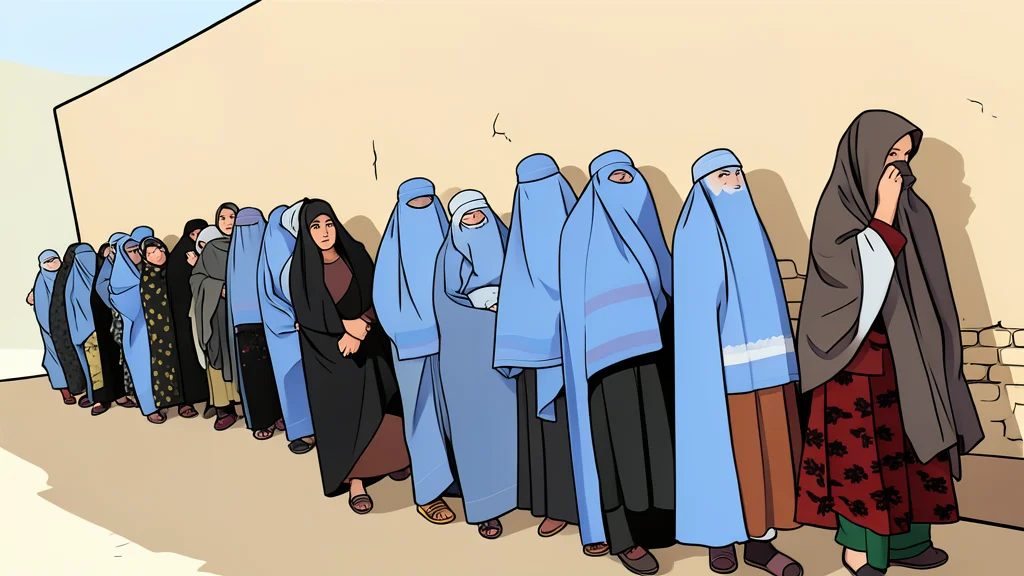
Senior UN officials and rights advocates have called for renewed international engagement, warning that economic stability in Afghanistan is offset by deepening human rights crises and severe restrictions on women.
Senior United Nations officials and Afghan women’s rights advocates have urged the international community to increase its engagement with Afghanistan, citing a complex interplay of economic stability and severe human rights concerns. Speaking to the UN Security Council, these figures emphasized that while the Taliban authorities have established a degree of control and economic steadiness since returning to power, these developments coincide with significant restrictions on civil liberties and a deteriorating humanitarian situation.
According to reporting by GN geopolitics/rights (en-US), the warnings highlight a critical divergence between security metrics and social welfare. The officials noted that although armed conflict has diminished, the exclusion of large segments of the population from governance and economic opportunities is creating new risks to long-term stability. This assessment suggests that the current state of affairs requires a diplomatic approach that balances pragmatism with firm adherence to human rights standards.
Balancing Stability With Human Rights
Georgette Gagnon, the deputy special representative for the UN chief, presented a nuanced view of the country's trajectory to the Security Council. She acknowledged that the Taliban have maintained nationwide control and achieved certain economic and security benchmarks over the past five years. However, she cautioned that this stability is underpinned by what she described as exclusionary governance and a persistent human rights crisis.
Gagnon highlighted specific areas of concern, including the continued presence of terrorist groups and the imposition of severe restrictions on women and girls. She pointed to arrests linked to the enforcement of dress codes, pressure on minority groups, and the closure of media outlets as indicators of tightening control. Her remarks underscored the view that peace cannot be defined solely by the absence of armed conflict, but must also encompass dignity, inclusion, and opportunity for all citizens.
Humanitarian Funding Remains Critical
The humanitarian landscape in Afghanistan remains fragile, with the 2026 response plan currently only 30% funded. This shortfall occurs against the backdrop of significant population movements, with nearly 1.2 million Afghans returning from Pakistan and Iran this year alone. According to the UN official, these returns bring the total number of returnees since 2023 to 6.5 million, placing immense strain on domestic resources and infrastructure.
In response to these challenges, Gagnon urged the Taliban authorities to lift restrictions on women and girls, pursue inclusive governance, and fulfill their counterterrorism commitments. She argued that a strategy combining principled and pragmatic engagement is essential to addressing these issues. The recommendation suggests that international actors should continue dialogue while simultaneously holding the authorities accountable for meeting basic humanitarian and human rights obligations.
Advocates Demand Concrete Global Action
Nargis Nehan, an Afghan women’s rights advocate, marked the five-year anniversary of the Taliban's seizure of power by describing the period as one of continuing erosion of women's rights. She quoted Afghan women she had recently spoken to, including one who stated that being a woman in the country had become a criminalized identity. Nehan emphasized that solidarity must translate into tangible action, arguing that Afghan women can no longer afford to wait for the international community to make decisions regarding their future.
Nehan called for the full funding of the $1.7 billion humanitarian response plan and for the support of Afghan women’s participation in determining the country’s political direction. She posed a direct question to the international community: whether it is prepared to act on what it already knows is happening in Afghanistan. The forward question now rests on whether diplomatic efforts will shift from observation to decisive intervention in the coming months.