UK Urges Taliban to Lift Restrictions on Women at UN Security Council

London’s delegation highlighted the exclusion of Afghan women from public life and reiterated calls for regional stability during a high-level Security Council session.
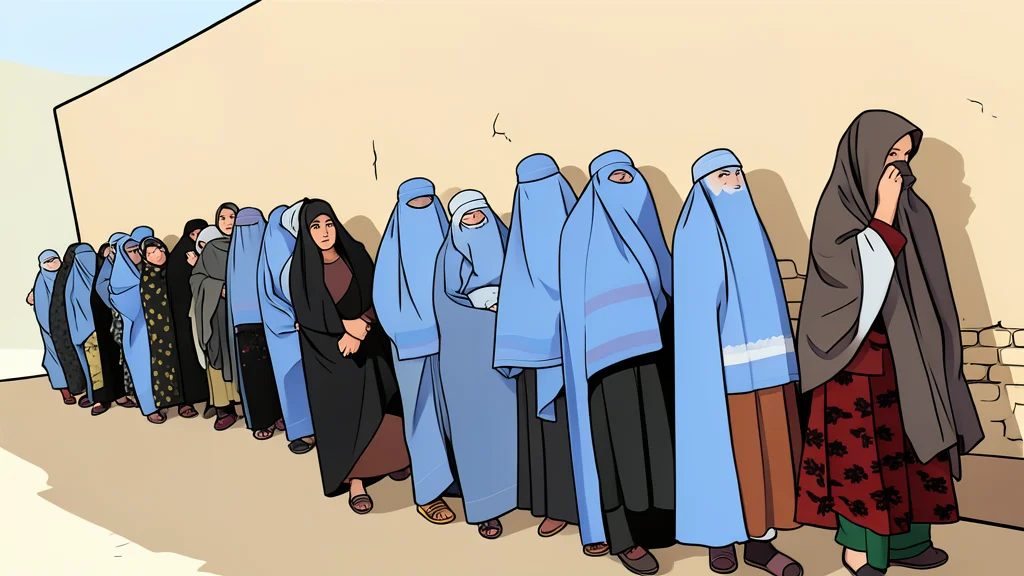
The United Kingdom has issued a stern rebuke of the Taliban government’s policies regarding gender equality, describing the systematic exclusion of women and girls from public life as incompatible with national prosperity. Speaking at the United Nations Security Council, Ambassador Kate Foster, the UK’s Deputy Permanent Representative, emphasized that no nation can thrive while half of its population is barred from participation in society. The statement marks a significant diplomatic moment, reaffirming London’s commitment to international law and the fundamental rights of all Afghans, regardless of gender.
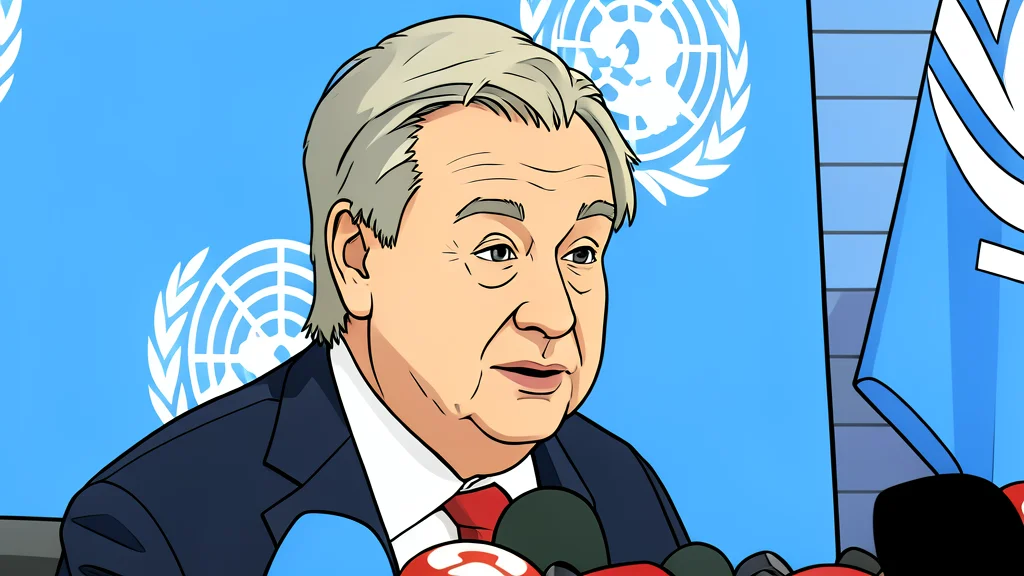
The address coincided with the first anniversary of the Taliban prohibiting Afghan women working for the United Nations from accessing UN premises. According to the UK delegation, this restriction severely hampers the delivery of essential aid to the Afghan population. The ambassador paid tribute to the resilience of Afghan women and the dedication of UN staff, urging the Taliban to lift what was described as an unacceptable barrier to humanitarian assistance. The diplomatic tone remained firm, linking the protection of human rights directly to the broader stability of the region.
Regional stability and security concerns
Beyond domestic human rights issues, the UK representative stressed that stability in Afghanistan is inextricably linked to the security of the wider region. The statement reiterated calls for de-escalation and renewed dialogue between Afghanistan and Pakistan, warning against actions that could further destabilize the area. The delegation also urged all parties to take meaningful action against terrorist groups operating within and outside the country, while emphasizing the critical need for the protection of civilians from such conflicts.
The geopolitical context was framed by the worsening humanitarian crisis in Afghanistan, driven by large-scale returns, extreme weather events, and a reduction in international assistance. The UK argued that by excluding women and girls from public life, the Taliban are exacerbating these pressures and undermining the country’s long-term economic potential. This perspective positions the issue of gender equality not merely as a moral imperative, but as a strategic necessity for regional peace and development.
Commitment to humanitarian assistance
Despite the political tensions, the United Kingdom reaffirmed its steadfast commitment to the Afghan people. The government continues to provide over $140 million annually in support of life-saving assistance for the most vulnerable. According to the statement, UK-funded programmes reached at least five million people last year, with a specific goal of ensuring that women and girls constitute at least half of those beneficiaries. This financial pledge underscores the UK’s desire to maintain a constructive engagement with the international community while holding the Taliban accountable for their actions.
The UK delegation concluded by calling on the Taliban to engage constructively in the UN-led political process. The objective remains an Afghanistan that is stable, prosperous, and at peace with its neighbors, while respecting the rights of all its citizens. As reported by GN geopolitics/un, the statement serves as a clear signal of the international community’s expectations for the Taliban, balancing diplomatic pressure with sustained humanitarian support. The focus remains on what steps will be taken next to bridge the gap between policy and practice in Kabul.