UN Report Highlights Hidden Risks in Afghanistan's Stability

The United Nations Secretary-General warns that while territorial control appears steady, deepening human rights and economic pressures threaten long-term stability in Afghanistan.
Five years after the Taliban regained control of Afghanistan, the country presents a contradictory picture to the international community. On the surface, the de facto authorities have maintained centralized political power and territorial integrity under the leadership of Haibatullah Akhundzada. However, according to the latest report from the United Nations Secretary-General, this apparent calm conceals a landscape of escalating security threats and severe humanitarian challenges.
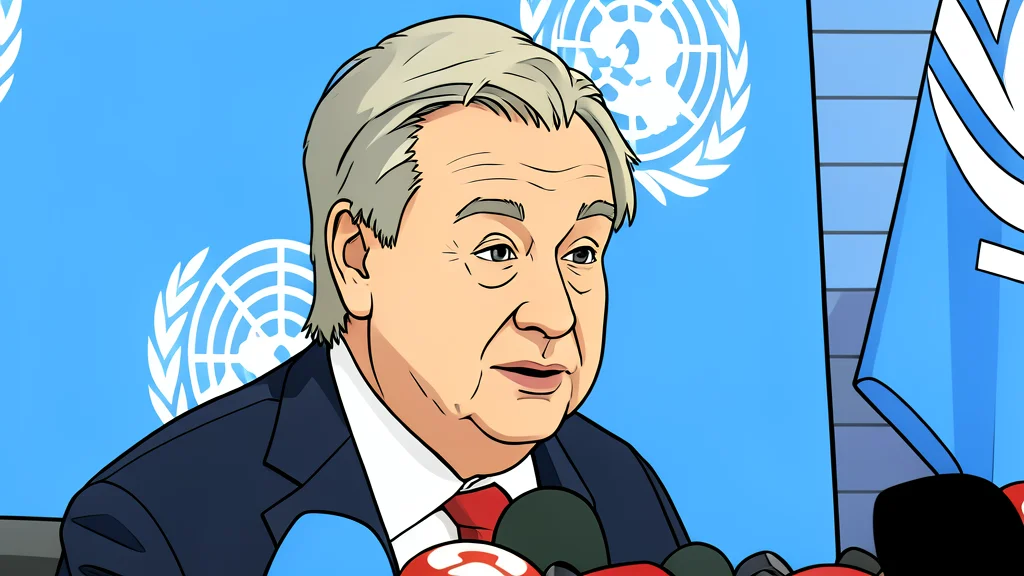
Antonio Guterres stated that while the regime has avoided widespread collapse, it faces significant internal and external pressures. These include persistent security incidents, severe economic strain, and a deteriorating humanitarian situation. The report emphasizes that these factors are not merely temporary setbacks but represent structural risks that could undermine the country's stability in both the short and long term.
Human Rights Constraints Limit Aid
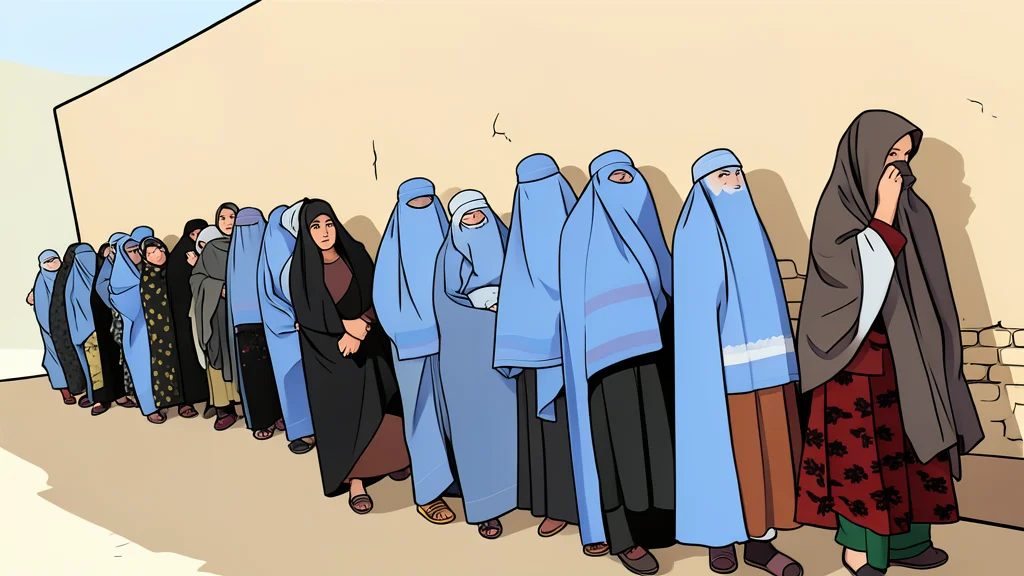
A central focus of the UN assessment is the institutionalized denial of rights for women and girls. Guterres identified this as one of the most significant concerns, noting that discriminatory policies act as a barrier to Afghanistan's reintegration into the international system. According to the report, these restrictions hinder the mobilization of additional international resources by limiting the channels through which aid organizations can assist Afghans, particularly women and girls.
The Secretary-General called for the immediate removal of barriers to women's access to education, employment, and public life. He specifically urged the Taliban to allow Afghan women working for the United Nations and humanitarian organizations to return to their workplaces. The UN has repeatedly noted that such restrictions undermine its capacity to deliver essential assistance, creating a critical gap in support for the most vulnerable populations.
Fragmented Opposition Challenges Security
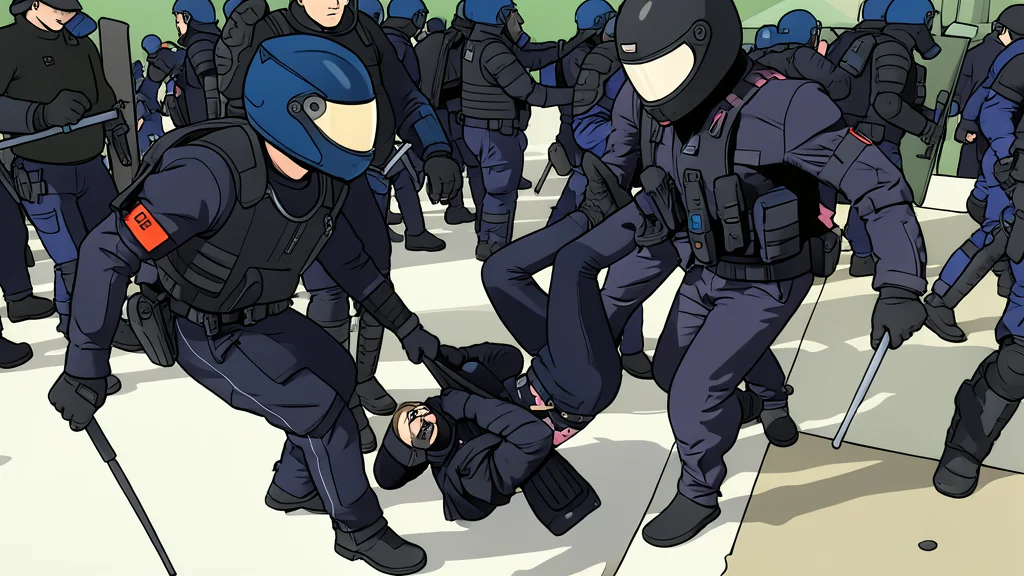
The security environment remains complex, with anti-Taliban armed groups claiming responsibility for 88 incidents across 21 provinces between May and July of this year. While the United Nations verified 55 of these attacks, the report indicates that these groups remain fragmented and decentralized. They have largely focused on local targets, such as checkpoints and military facilities, rather than mounting a coordinated challenge to the Taliban's territorial control.
Despite their limited strategic impact, these attacks highlight ongoing tensions. Specific incidents, including targeted assaults on personnel of the Taliban’s Ministry for the Propagation of Virtue and Prevention of Vice in Herat and Kabul, underscore the continued volatility. The UN noted that while these groups have not significantly altered the balance of power, their presence contributes to an unpredictable security landscape.
Calls for Policy Reforms
In response to these challenges, the report urges the Taliban authorities to take concrete steps to meet their international obligations. Guterres called for the protection of human rights and fundamental freedoms for all Afghans, including the respect for freedom of expression and media freedom. He also emphasized the need for fair legal procedures, the rights of detainees, and the prevention of violations related to the general amnesty announced in 2021.
The UN further stressed the importance of complying with international human rights law regarding the use of force, citing the principles of legality, necessity, and proportionality. According to the GN geopolitics/rights (en-US) report, these measures are essential to address the root causes of instability and to create a framework for sustainable peace and development in Afghanistan.