Nigeria Urges Structural Reform at 2026 BRICS Summit
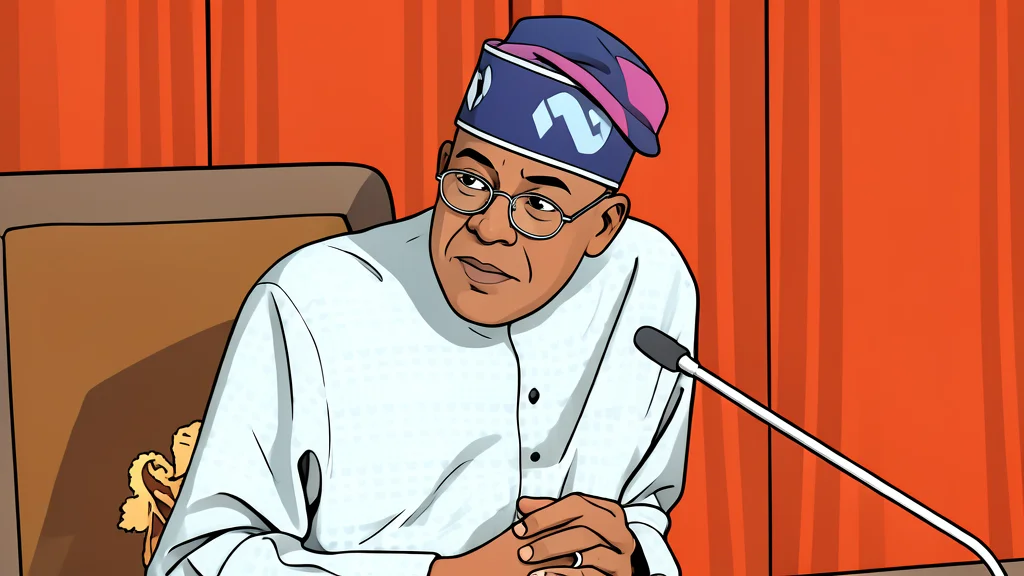
President Tinubu calls for a more representative global order and urges BRICS nations to prioritize tangible development outcomes over diplomatic dialogue.
Nigeria has joined a growing chorus of voices demanding a fundamental restructuring of the international governance framework, with President Bola Ahmed Tinubu arguing that current institutions no longer reflect the economic and demographic realities of the twenty-first century. Speaking through Vice President Kashim Shettima at the 2026 BRICS Summit in New Delhi, the Nigerian leader emphasized that global bodies, including the United Nations, must become more equitable and responsive to the shifting balance of power among nations.
The address, reported by GN auto geopolitics/global: international summit, positioned Nigeria firmly within the BRICS coalition’s push for a multipolar world order. Tinubu stated that the bloc plays a crucial role in amplifying the concerns of the Global South, while explicitly supporting reforms to the UN Security Council and the broader international financial architecture. This stance signals a strategic alignment with emerging powers seeking to dilute the historical dominance of Western institutions in global decision-making processes.
From diplomatic dialogue to tangible results
Beyond rhetorical support for institutional change, the Nigerian president issued a direct challenge to fellow BRICS members to transition from high-level commitments to concrete implementation. Tinubu urged leaders to focus on measurable development outcomes, warning that continued reliance on dialogue without action would undermine the bloc's credibility. He highlighted specific sectors where cooperation could yield immediate benefits, including trade, agriculture, energy, and infrastructure, with a particular emphasis on partnerships that facilitate technology transfer and local value addition.
The call for implementation coincides with Nigeria’s broader economic strategy to position itself as a central hub for African trade. By inviting investors to leverage the country’s role as a gateway to the African Continental Free Trade Area, Tinubu sought to link the BRICS agenda with regional economic integration. This approach aims to transform diplomatic alliances into commercial frameworks that drive job creation and industrial growth in developing economies.
Technology sovereignty as strategic priority
A central theme of the summit discourse was the imperative for technological self-sufficiency. Tinubu articulated a stark warning regarding the risks of technological dependency, stating that nations lacking indigenous technological capabilities risk renting their future rather than owning it. This perspective underscores a growing consensus within the Global South that access to artificial intelligence, digital infrastructure, and advanced manufacturing is no longer a luxury but a prerequisite for sovereign economic development.
Indian Prime Minister Narendra Modi, who opened the eighteenth summit, echoed these sentiments by noting that confidence in BRICS has grown because the voices of member states are increasingly being heard. He emphasized that the bloc’s strength lies in its diversity, with initiatives focused on skills development and knowledge sharing. The convergence of views between New Delhi and Abuja suggests a deepening alignment on the need for digital sovereignty and reduced reliance on external technological ecosystems.
Implications for global financial architecture
The push for reform extends beyond trade and technology to the core of the international financial system. According to the Nigerian delegation, the current structure fails to adequately represent the economic weight of emerging markets. By advocating for a more inclusive international order, BRICS nations are laying the groundwork for alternative financial mechanisms and policies that may challenge the status quo established by traditional Western-led institutions.
As the summit concluded, the focus shifted to the practical steps required to realize these ambitious goals. Observers note that while the political will for change is evident, the path toward institutional reform remains complex and fraught with geopolitical resistance. The coming months will likely see intensified diplomatic efforts to translate these summit declarations into binding agreements and operational frameworks.