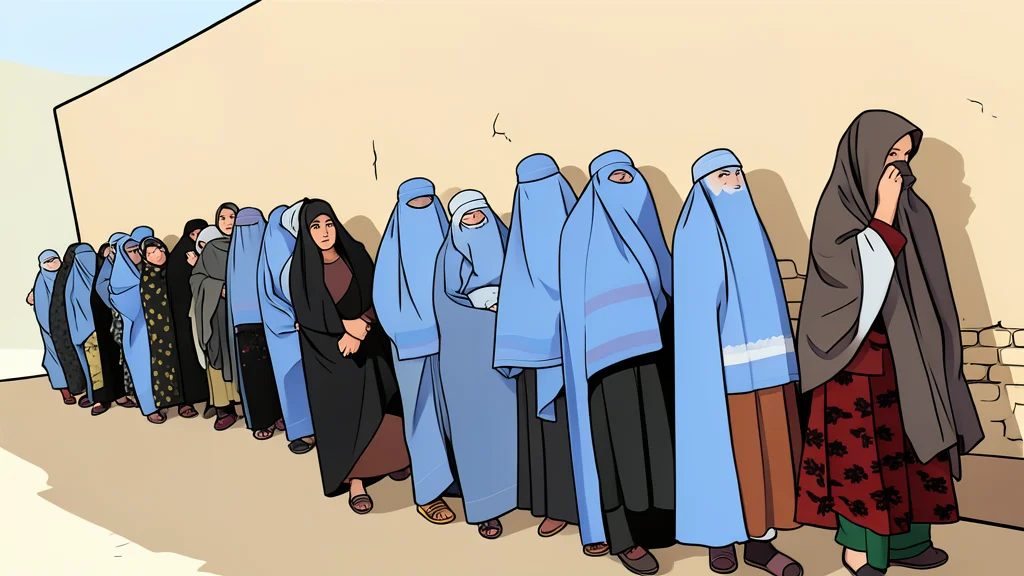
Iraq Faces Dual Deadlines for US Withdrawal and Militia Disarmament
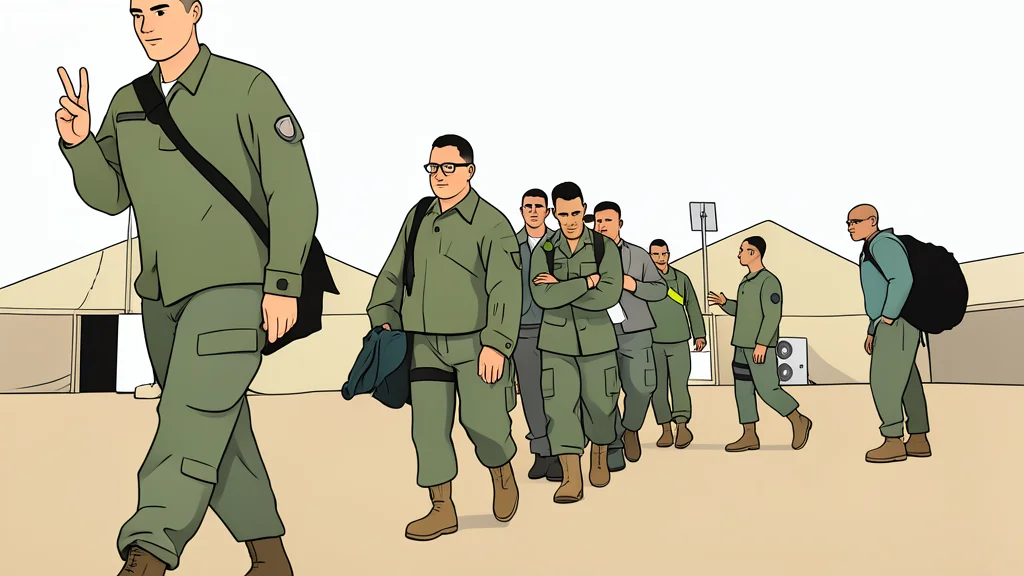
As September 30 approaches, Baghdad navigates the complex exit of US forces while grappling with the refusal of key militias to surrender weapons.
Baghdad is approaching a critical juncture defined by two simultaneous deadlines at the end of September. The first marks the final departure of US military personnel, concluding a presence that has evolved since the 2003 invasion. The second is a government-imposed date for the disarmament of non-state armed groups, a requirement that most major militias have already publicly rejected. According to Africanews, these parallel timelines create significant uncertainty regarding the security landscape in the region.
US officials confirm that the remaining troops in northern Iraq will complete their exit by the September 30 deadline. This withdrawal follows a 2024 agreement to wind down the mission that was originally established to combat the Islamic State. While the group has been reduced to scattered cells, the departure leaves a security vacuum that the Iraqi government intends to fill through the integration of armed factions into the state military structure.
Militias Reject Disarmament Demands
The Iraqi government has linked the US withdrawal to an ultimatum for militias to lay down their weapons, but the most influential groups have refused to comply. According to recent reporting, powerful factions such as Kataib Hezbollah and Harakat al-Nujaba have indicated they have no plans to disarm by the deadline. These groups, which maintain close ties to Tehran, have set conditions for disarming that they believe the central government is unlikely to meet in the near term.
Analysts suggest that the government’s strategy is shifting toward bringing these factions under the control of the Iraqi military rather than outright disbanding them. Many of these groups are already part of the Popular Mobilization Forces, a coalition that is technically part of the armed forces but often operates with significant autonomy. This hybrid approach aims to maintain state sovereignty while managing the political reality of armed non-state actors.
Regional Tensions Shape Security Posture
The geopolitical context remains tense, with Iranian-backed Iraqi militias striking US-linked targets both inside and outside the country since February. These groups have also coordinated with Yemen’s Houthi rebels in attacks on Saudi Arabia. As the conflict between the US and Iran continues, Tehran is unlikely to relinquish the leverage it holds within neighboring Iraq, complicating efforts to stabilize the region.
US officials express concern over the militias' continued ability to conduct attacks, yet this has not been sufficient to delay the planned withdrawal. The situation highlights the difficulty of decoupling military presence from broader regional alliances. The withdrawal represents a significant shift in the balance of power, leaving Iraq to navigate its security challenges without direct US military support.
Uncertainty Over Post-Withdrawal Stability
Questions remain about what the period after the US departure will look like for Iraq. Government officials have expressed varying views on whether the disarmament deadline is a hard limit or merely a starting point for negotiations. Iraqi analyst Sajad Jiyad noted that disarming any groups by the 30th is unlikely, a sentiment shared by many who observe Iraqi political dynamics closely.
The next phase will likely focus on how effectively the central government can integrate these armed groups into its security apparatus. The success of this integration will determine whether Iraq can maintain internal stability and prevent further escalation of regional conflicts. Observers will be watching closely for signs of compliance or continued resistance from the militias in the coming weeks.