Israel Accuses Turkey of Expanding Syrian Footprint
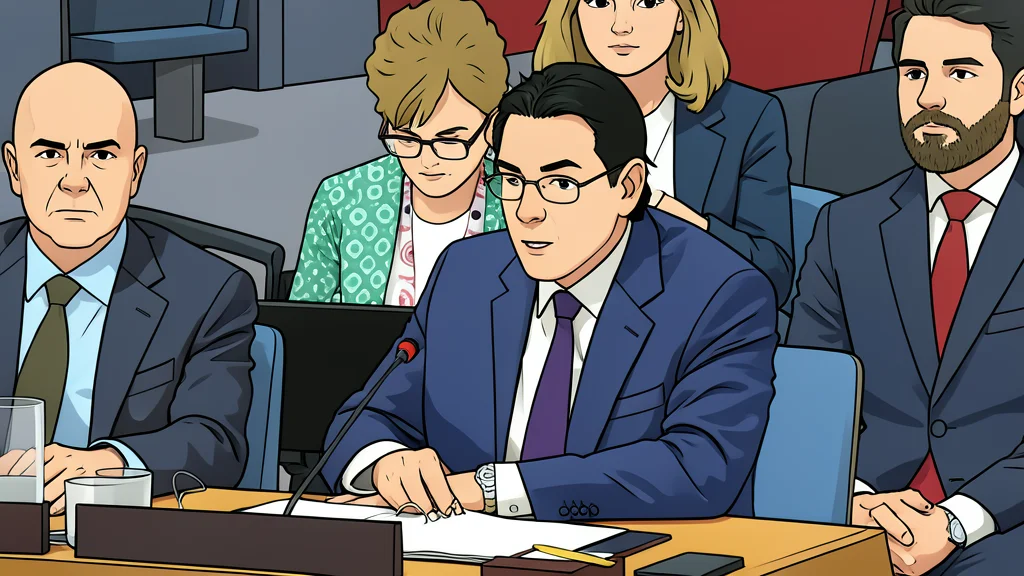
At the UN Security Council, Israel’s ambassador argued that Ankara’s growing military presence in Syria mirrors the strategies previously employed by Tehran, while asserting that the international community applies a double standard to these actions.
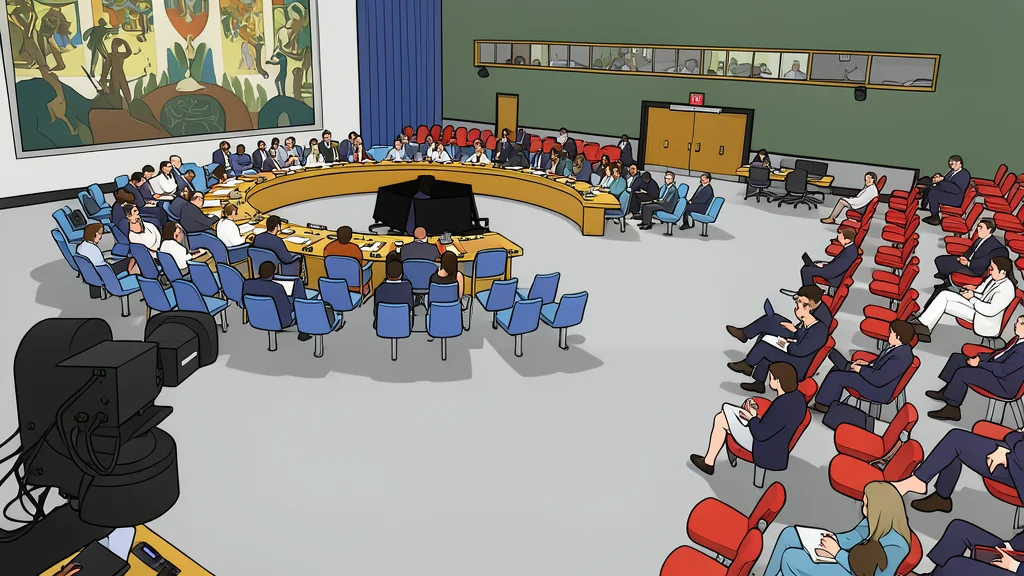
Israel’s Permanent Representative to the United Nations, Danny Danon, delivered a sharp critique of Turkey’s military posture in Syria during a Security Council session on Thursday. He characterized Ankara’s expanding footprint as a strategic shift that mirrors the influence tactics previously utilized by Iran in the region. Danon presented visual data to the council, contrasting the size of Israel’s security buffer zone with the area under Turkish control, suggesting a significant disparity in scale.
According to Danon, Israel’s buffer zone occupies approximately 0.1 percent of Syrian territory, whereas the zone maintained by Turkey spans roughly five percent of the country. This makes the Turkish presence approximately fifty times larger than the Israeli buffer. He argued that this expansion constitutes a deepening military foothold, involving the establishment of bases and a broadening of influence that challenges the current security architecture in the region.
Accusations of Strategic Mimicry
Danon explicitly stated that Turkey is following what he termed the Iranian proxy playbook. He described this as a method of deepening military presence and establishing bases to expand regional influence. The Israeli diplomat emphasized that this approach threatens the stability of the area and poses a direct challenge to Israel’s security interests, framing the issue as one of strategic containment rather than mere border friction.
The ambassador further alleged that the United Nations and the broader international community are applying inconsistent standards in their assessments of these military activities. He claimed that when Israel acts in self-defense, the council is quick to issue condemnations, yet it remains silent when Turkey expands its military presence within Syrian borders. This perceived selectivity, he argued, exposes a double standard that undermines the credibility of international norms regarding sovereignty and territorial integrity.
Red Lines and Airbase Control
A specific point of contention raised by Danon was Turkey’s intention to assume control of the Abu al-Duhur Airbase. He revealed that Israel had previously communicated a clear message to the Syrian government, designating Turkish control of this facility as a red line. The Israeli ambassador stated that this warning was conveyed directly to Damascus, urging them to prevent Ankara from taking over the site.
Danon asserted that when Syria ignored these diplomatic warnings, Israel took alternative measures to enforce its position. He maintained that Israel will not permit Syrian territory to be used as a platform from which it could be threatened. This statement underscores the tension between diplomatic channels and military realities, highlighting the complex interplay of sovereignty claims and security imperatives in the region.
Diplomatic Tensions and Future Outlook
The remarks by the Israeli ambassador directly challenged the Syrian representative at the United Nations, accusing the international body of failing to uphold consistent principles of sovereignty. The debate highlights a growing rift in how different actors interpret and enforce rules regarding foreign military presence in post-conflict zones. The situation remains fluid, with both nations asserting their rights and concerns in a highly charged diplomatic environment.
As reported by GN geopolitics/un, the next steps will likely involve further diplomatic maneuvering and potential escalations in the region. Observers will watch closely for any further military deployments by Turkey in Syria and how Israel responds to such movements. The outcome of these interactions could significantly impact the broader geopolitical balance in the Middle East, affecting alliances and security arrangements in the coming months.