Veto Blocks Extension of Iran Sanctions Committee at UN
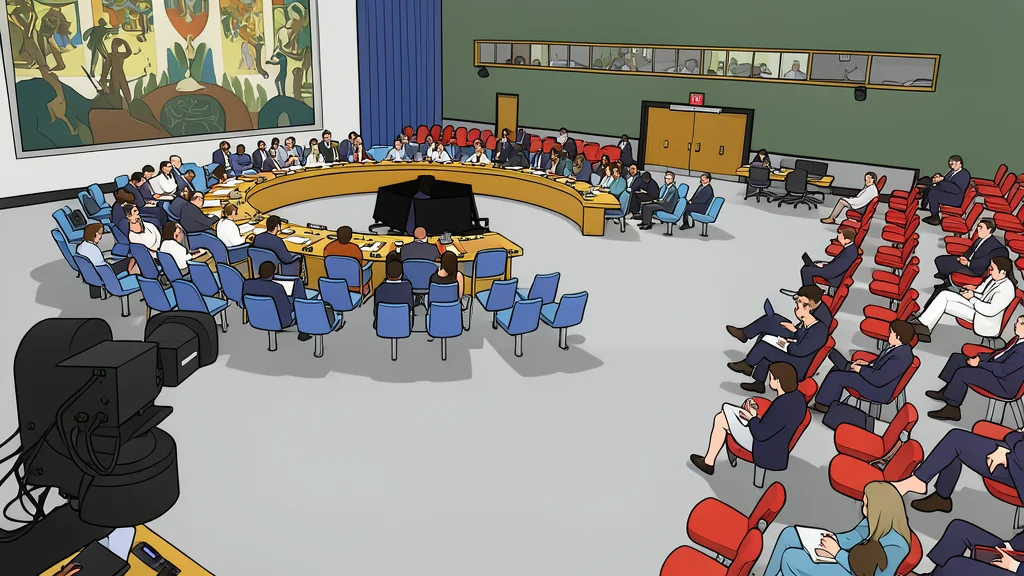
Russia and China vetoed a U.S.-led bid to extend the UN Iran sanctions panel, prompting Washington to seek independent reporting, while Pakistan abstained and urged all parties to resume talks under the Islamabad Memorandum after rejecting the snapback mechanism as a breach of diplomatic standards.
According to reports from GN auto geopolitics/middle-east: Iran nuclear, Pakistan’s permanent representative clarified that Islamabad’s abstention stems from its objection to the 2025 snapback invocation, which it views as a violation of diplomatic norms, and has formally called for a return to negotiations under the Islamabad Memorandum.
Source: DawnIn a detailed statement to the Security Council, Pakistan's ambassador emphasized that the dispute stems from the West's snapback invocation in 2025 and urged parties to honor the Islamabad Memorandum, insisting that the IAEA must operate independently of political interference. This further context, provided via GN auto geopolitics/middle-east: Iran nuclear, clarifies that Islamabad's abstention was a deliberate stance against the current confrontational trajectory, advocating instead for a return to the cooperative spirit of the original 2015 deal.
Source: DawnReporting from GN auto geopolitics/middle-east reveals that Pakistan and Somalia abstained on the vote, with Islamabad explicitly citing the need for diplomacy and referencing the recent Islamabad Memorandum of Understanding to urge a return to negotiations.
Source: thenews.pkNew details from GN auto geopolitics/middle-east: Iran nuclear reveal that the vote count was 11-2, with Somalia and Pakistan abstaining, while U.S. officials warn that Russia and China are systematically blocking expert panels to shield their own allies from scrutiny, citing similar actions in North Korea and Yemen.
Source: NewsdayAccording to GN geopolitics/un, Western diplomats maintain that the sanctions framework remains active following the 2025 snapback trigger, directly contradicting the Russian and Chinese stance that the legal basis lapsed with Resolution 2231. The US delegation has indicated it will pivot to unilateral measures, including updating designations and appointing committee leadership, to mitigate the enforcement vacuum created by the veto.
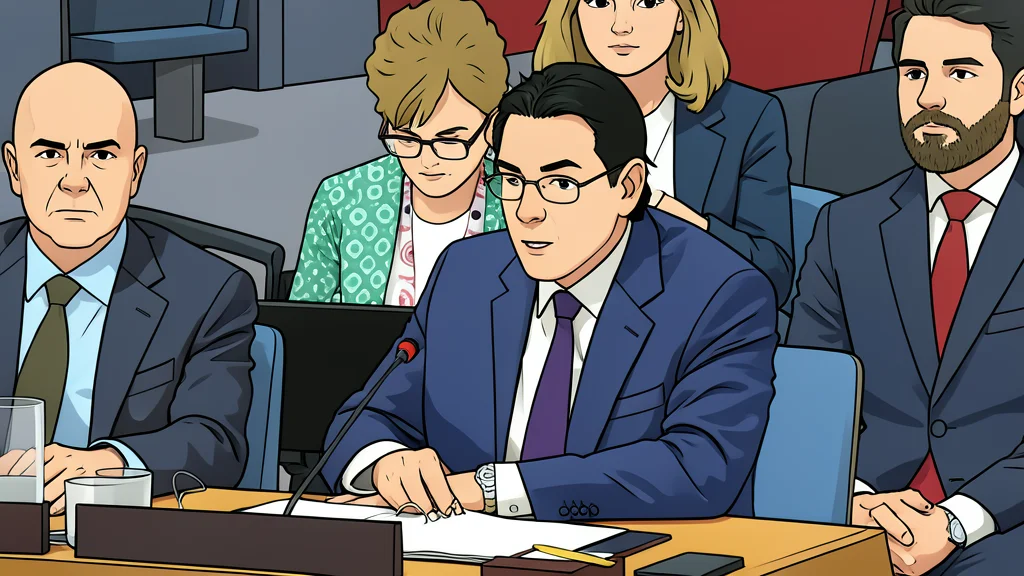
Source: news.azRussia and China exercised their veto power at the UN Security Council, halting a US-backed attempt to extend the mandate of the Panel of Experts on Iran. The move underscores deepening procedural disputes over the legal status of UN sanctions following the expiration of Resolution 2231.
Source: PressTV