Paris Talks Aim to Bolster Lebanese Army Amid Regional Conflict

French, Lebanese, and Jordanian leaders gathered in Paris to coordinate international support for the Lebanese Armed Forces and plan a successor to the UN peacekeeping mission.
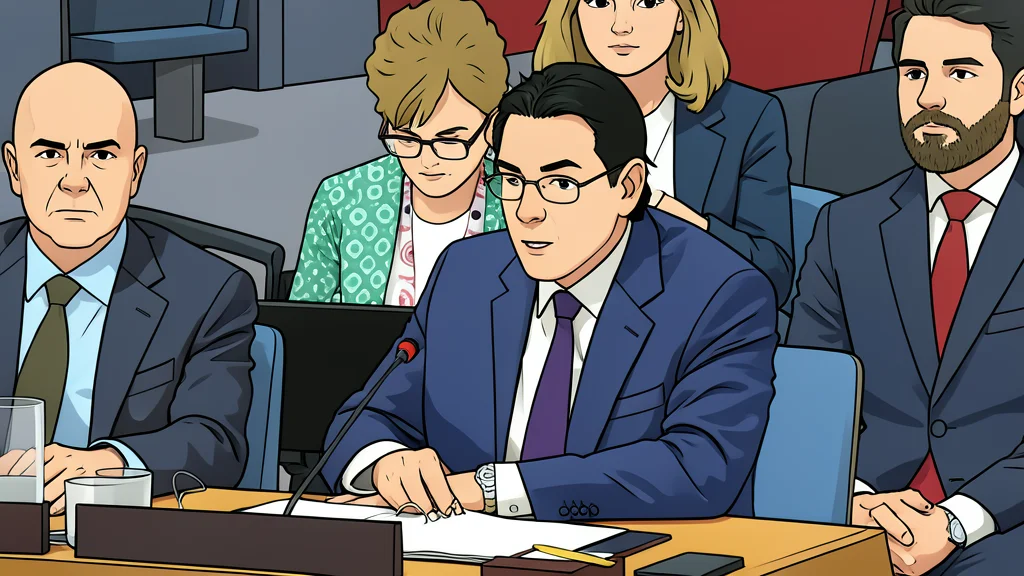
Leaders from France, Lebanon, and Jordan convened in Paris on Thursday to coordinate international support for the Lebanese Armed Forces. The meetings, hosted by French President Emmanuel Macron, focused on reviewing a deployment plan for the Lebanese military and establishing a framework to end ongoing hostilities in the south. According to the French presidency, the primary objective was to create a clear and credible basis for substantial financial, material, and training assistance.
The discussions took place against the backdrop of a June framework agreement mediated by the United States between Israel and Lebanon. While the deal was intended to stabilize the region, Israeli forces have continued to occupy significant portions of southern Lebanon and conduct military operations. The Paris talks seek to address these gaps by strengthening the capacity of the Lebanese state to assert authority across its entire territory, a goal that has been complicated by the limited resources and equipment of the national army.
Coordinating Multilateral Security Support
The summit expanded beyond the initial trilateral meeting to include defense chiefs from the United Kingdom, Italy, and senior officials from the United States and Saudi Arabia. A French military source told AFP that this broader coalition aims to ensure that support for Beirut is robust and sustained. Macron emphasized that a sovereign and stable Lebanon is a decisive step toward peace in the wider region, noting that the Lebanese Armed Forces are indispensable for asserting state authority.
Lebanese President Joseph Aoun expressed relief at the progress of the negotiations, describing the strengthening of state authority as a Lebanese choice rather than an externally imposed demand. He reiterated the government’s determination to disarm Hezbollah in the south without triggering a direct confrontation. According to Al Jazeera English, Aoun stressed that the army is the main pillar for protecting national sovereignty, while also highlighting the urgent need for allies to meet the financial and logistical needs of the military forces.
Planning Successor to UNIFIL Mission
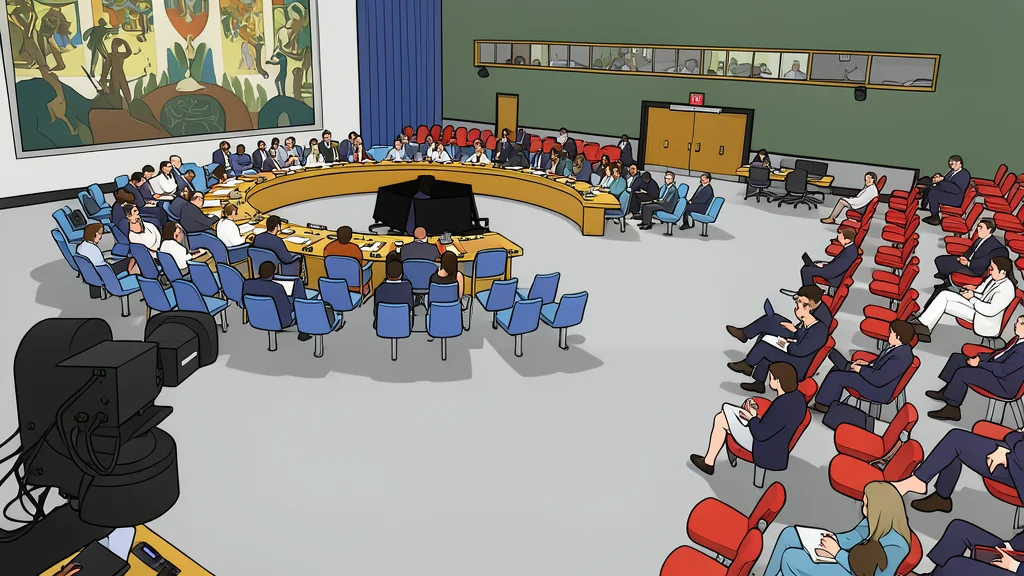
A central element of the agenda was the creation of a new force to succeed the United Nations Interim Force in Lebanon, or UNIFIL. The UN Security Council voted last year to end the mandate of the peacekeeping mission, which has operated since 1978, by the end of 2026. With fewer than 7,500 peacekeepers currently deployed, France and Italy are pushing for a multinational coalition to prevent a security vacuum in the south once the UN presence withdraws.
Aoun has stated that Lebanon requires a new European or international force to maintain stability in the border areas. This transition is particularly critical given that the Lebanese army has struggled to carry out its disarmament mission in the south due to poor equipment. The Paris talks aim to bridge this gap by linking international aid directly to the successful deployment of the new security architecture, ensuring that the withdrawal of UN forces does not lead to renewed instability.
Navigating Regional Tensions and Constraints
The diplomatic efforts in Paris occur amid broader regional conflicts, including recent escalations involving Israel and Iran. The spread of hostilities into Lebanon has further complicated the security landscape, with Israeli forces engaging Hezbollah in the south. Despite these challenges, the participating nations remain focused on the immediate goal of bolstering the Lebanese state’s capacity to manage its own security. The outcome of these talks will likely influence the pace of international aid and the speed at which a replacement for UNIFIL can be established.
Observers will now watch how the agreed-upon framework translates into concrete actions on the ground. The success of the initiative depends on the willingness of international partners to provide the promised resources and on the ability of the Lebanese government to implement the deployment plan effectively. As the deadline for UNIFIL’s mandate approaches, the pressure on these diplomatic channels to deliver a stable and sovereign Lebanon will only intensify.