Israel Expands Strikes on Iranian Nuclear and Industrial Sites
Tensions in West Asia have surged following intensified Israeli airstrikes on Iran's nuclear infrastructure and key industrial assets, prompting sharp diplomatic warnings and reports of retaliatory missile activity.
The strategic landscape in West Asia has shifted dramatically as Israel intensified its campaign against Iranian targets, striking both nuclear-related facilities and major industrial infrastructure. According to reports from the GN auto geopolitics/middle-east: Iran nuclear desk, these operations occurred despite a recently extended diplomatic pause, signaling a significant escalation in the ongoing conflict between the two states.
Tehran has condemned the strikes, asserting they undermine ongoing diplomatic efforts. Iranian Foreign Minister Abbas Araghchi warned that Tehran will impose a heavy price on Israel, alleging that the attacks on steel plants, power stations, and nuclear sites were conducted in coordination with the United States. This rhetoric comes less than a day after US President Donald Trump extended a pause on American attacks on Iran’s energy sector, citing positive progress in negotiations and increased tanker transit through the Strait of Hormuz.
Targeting nuclear and heavy industry
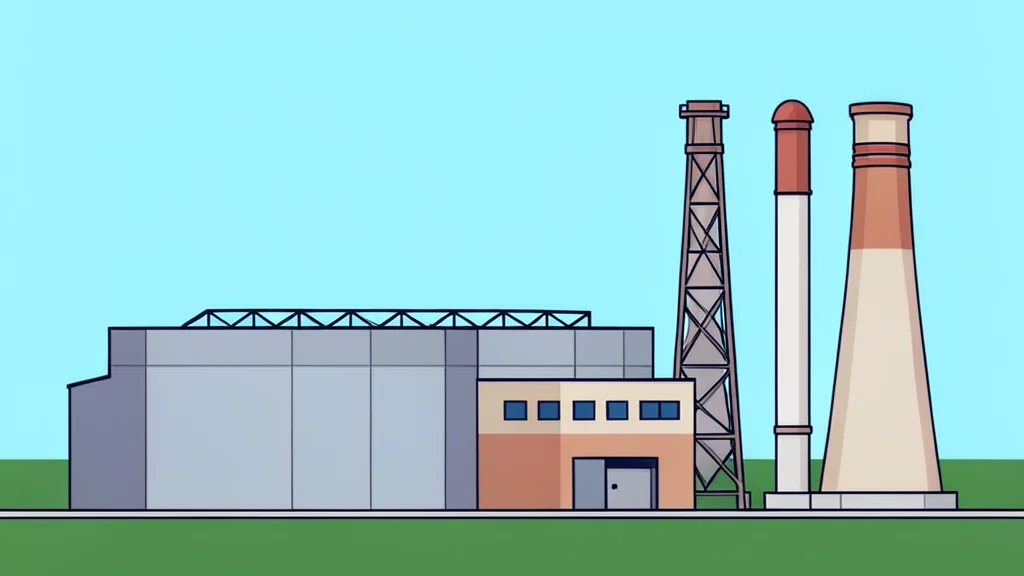
The Israeli military announced that its air force hit two specific nuclear sites, including the Khondab Heavy Water Complex near Arak and a yellowcake production plant in Yazd province. Authorities alleged that the Arak facility was being rebuilt to potentially produce weapons-grade plutonium, while the Yazd site handles concentrated uranium. Iran’s Atomic Energy Organisation confirmed the strikes, stating there were no radioactive leaks or casualties at these specific locations.
Diplomatic friction and IAEA concerns
The International Atomic Energy Agency has been informed of the incidents, with Director General Rafael Grossi calling for military restraint to avoid any risk of a nuclear incident. Meanwhile, Iranian authorities reported casualties at other industrial sites, including a worker killed in a strike on a steel plant in Isfahan and damage to a cement facility in Firuzabad. Israel has indicated that its military campaign will continue to intensify, challenging the fragile stability of the regional diplomatic truce.
Retaliatory actions and US involvement
Signs of broader retaliation have emerged, as the Islamic Revolutionary Guard Corps urged workers at industrial sites linked to American stakeholders or Israeli interests to evacuate immediately. According to several media reports, an Iranian missile attack resulted in at least ten American service members being wounded, with two seriously injured, alongside damage to several US refuelling aircraft at Prince Sultan Air Base in Saudi Arabia. Satellite imagery posted online appears to corroborate the extent of the damage to the aircraft.
The situation remains volatile, with the extension of the US pause on attacks now tested by direct Israeli military action and Iranian counter-strikes. The next 24 to 48 hours will be critical in determining whether diplomatic channels can reassert control over the military escalation, or if the conflict will expand further across the region.