Middle East Nuclear Dynamics Shift Amid Regional Tensions
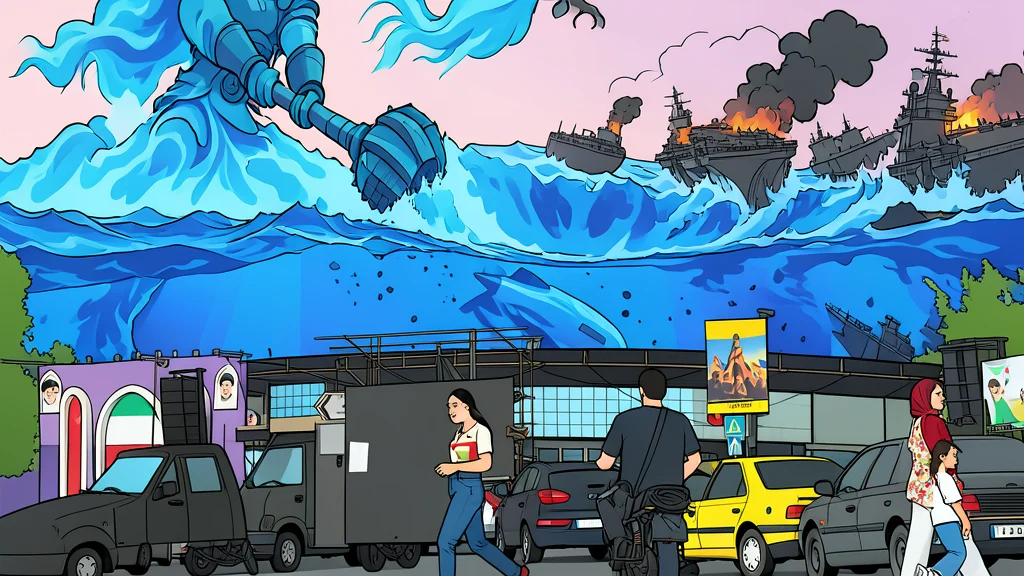
Regional nuclear capabilities are undergoing a significant transformation as new agreements and security threats converge.
The geopolitical landscape of the Middle East is shifting toward a more complex nuclear environment, driven by recent diplomatic movements and military escalations. According to analysts, the region faces the possibility of entering a new era characterized by expanded proliferation. This development follows a series of events involving Saudi Arabia, the United States, and Iran, which collectively suggest a weakening of traditional non-proliferation frameworks.
Tensions have risen sharply after the United States and Israel issued warnings regarding further strikes on Iranian nuclear sites. These threats cite allegations that Tehran is attempting to revive its nuclear program. The situation has prompted concerns that Iran may consider withdrawing from the Non-Proliferation Treaty, a move that would fundamentally alter the security architecture of the region.
Strategic Shifts in Regional Alliances
A key driver of this change is the reported movement between Saudi Arabia and the United States regarding nuclear technology. Reports indicate that Riyadh is set to acquire American uranium enrichment capabilities. This development is viewed by observers as a potential precedent, with Turkey also expressing interest in similar arrangements. Such transfers of technology could normalize enrichment activities within the region, reducing the distinctiveness of nuclear statehood.
The acquisition of these technologies by regional powers is seen by some as a response to perceived security gaps. By securing independent nuclear capabilities, states may feel less reliant on external guarantees. This shift could encourage other nations in the vicinity to pursue their own programs, creating a cascade effect that complicates diplomatic efforts to maintain a nuclear-free zone.
Escalating Tensions Over Underground Facilities
Military actions have intensified following reports of construction activity at key Iranian sites. A recent study by the Centre for Strategic and International Studies suggested that increased activity at the Pickaxe Mountain site indicates the development of an underground fortress. The facility is believed to be designed for sensitive nuclear work, such as uranium conversion or centrifuge assembly, which are difficult to detect and destroy.
The US and Israeli leadership have pointed to these developments as justification for continued pressure. They claim that previous airstrikes in June 2025 buried major complexes deep underground, making them harder to target. The existence of such hardened facilities raises the bar for any future military intervention, suggesting that diplomatic solutions may become less viable if technical capabilities continue to advance.
Implications for Global Non-Proliferation
The convergence of these factors places the global non-proliferation regime under strain. If Iran withdraws from the treaty, it would join a small group of states that have abandoned their commitments. This action would likely be cited by other nations as proof that the system is ineffective, potentially accelerating their own nuclear ambitions. The ripple effects could extend beyond the Middle East, influencing nuclear policies in Asia and Europe.
Diplomatic channels remain open, but the window for negotiation appears to be narrowing. The next few months will be critical in determining whether the region moves toward containment or conflict. Observers will closely monitor any official announcements from Tehran regarding its treaty status and any new diplomatic engagements between Washington and Riyadh. The stability of the region now depends heavily on the decisions made by these key actors.