US Acknowledges Operational Space Weapons Amidst Rising Tensions

Washington’s public admission of orbital armament has triggered sharp diplomatic friction, with Beijing warning of a potential new era of strategic competition in outer space.
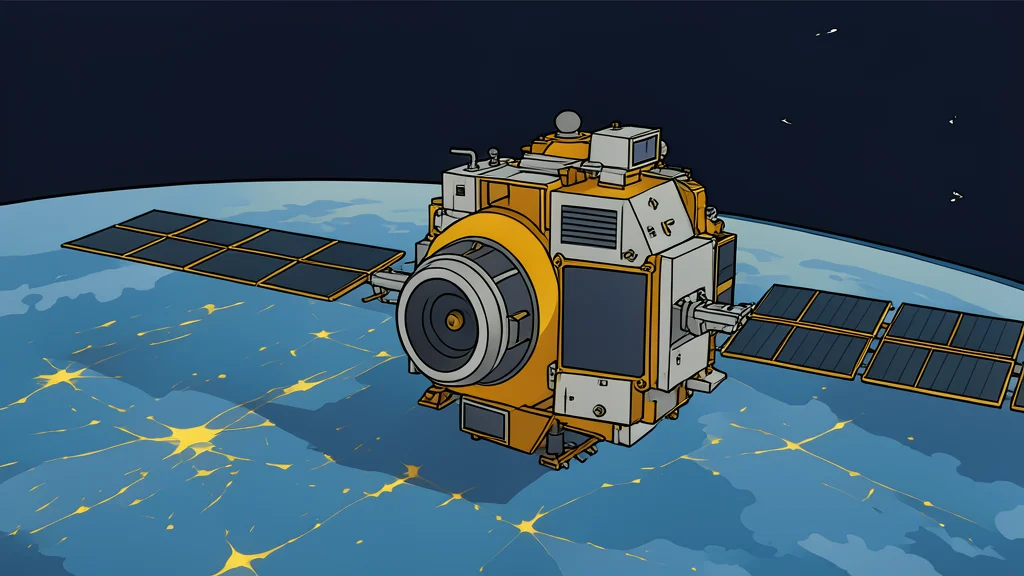
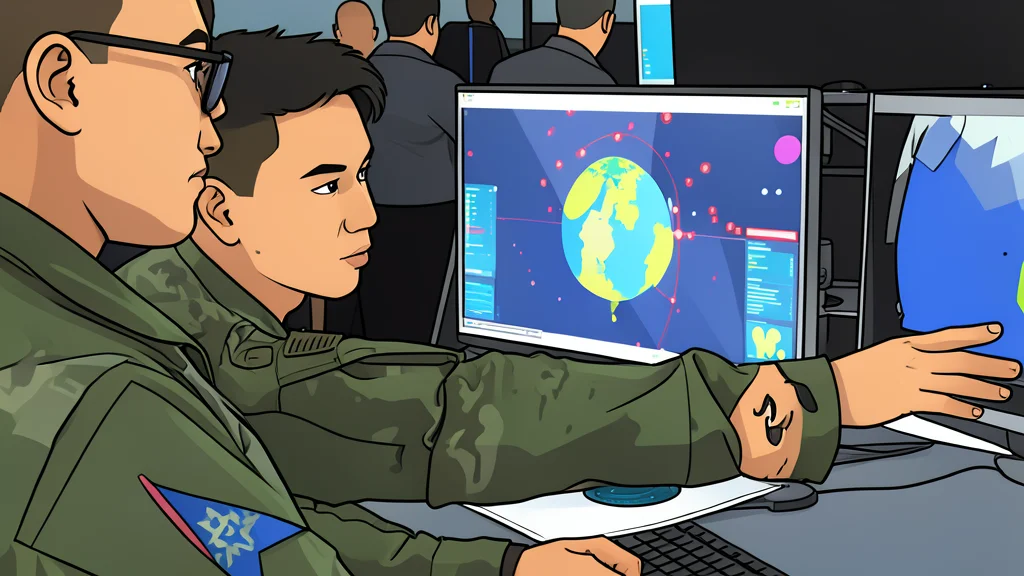
The United States has publicly confirmed for the first time that it maintains operational weapons in orbit, a disclosure that immediately heightened diplomatic friction with China. According to the US Air Force Secretary, the Space Force now possesses on-orbit space control weapons capable of defending against hostile actions by rival states. This admission marks a significant shift from previous periods where such capabilities were either unacknowledged or described in vague, developmental terms.
Beijing responded swiftly, with Foreign Ministry spokesperson Guo Jiakun stating that China opposes any attempt to weaponize space or turn it into a battlefield. The Chinese government called on Washington to halt its military buildup in orbit and take concrete steps to preserve global strategic stability. This exchange underscores a growing divergence in how major powers perceive the security implications of emerging space technologies.
Washington Details New Orbital Capabilities
Air Force Secretary Troy Meink made the announcement at the Air, Space and Cyber Conference, emphasizing the need for readiness against growing threats wherever they appear. He described the systems as essential for protecting US military forces and ensuring the nation can operate freely in space even under threat. The statement was deliberate, according to Meink, who noted that the specific wording was chosen to strengthen deterrence without revealing sensitive operational details.
However, the secretary refused to specify the nature of these weapons, leaving unclear whether they utilize kinetic impactors, directed energy, or cyber capabilities. He also declined to confirm if the systems have been tested or against what types of targets. This opacity is consistent with the US position that revealing too much could weaken deterrence, allowing potential rivals to develop countermeasures.
Beijing Calls for Strategic Restraint
China’s reaction was firm, with officials stressing that Beijing has always supported the peaceful use of outer space. Guo Jiakun argued that the US move could fuel a new arms race, increasing the risk of military tensions in a domain that has traditionally been viewed as a shared resource. The Chinese position highlights concerns that unilateral military expansions could destabilize the broader strategic balance between major powers.
Competing Interests in Orbital Domains
This development occurs as the US, China, and Russia all compete to build stronger counter-space capabilities. Modern militaries and economies depend heavily on satellites for communications, navigation, and intelligence, making these assets critical vulnerabilities. According to the GN auto geopolitics/global: arms race analysis, the competition is not just about military dominance but also about securing the economic infrastructure that relies on space-based services.
The forward question remains how other nations will respond to this acknowledged shift in US posture. Whether through diplomatic channels or accelerated development of their own defensive systems, the coming months will likely see increased activity in both policy discussions and technical testing. Observers will watch closely for any signs of reciprocal weaponization or new international agreements aimed at curbing the spread of space-based military assets.