Morocco Seeks International Rules for Strategic Maritime Passages

Rabat proposed a new framework for managing critical sea lanes during a recent Security Council session, framing the issue as a shared global responsibility rather than a unilateral advantage.
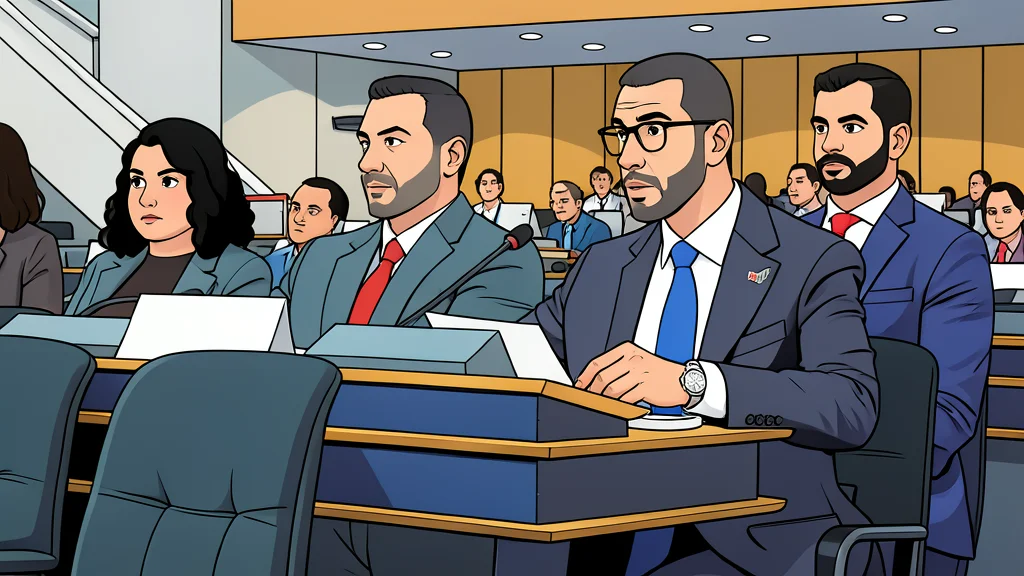
Morocco has called for the establishment of an international code of conduct governing states that border strategic maritime passages. This proposal was advanced during a United Nations Security Council Arria-formula meeting held on September 17, which focused on the broader implications of freedom of navigation in a shifting security landscape.
According to Foreign Minister Nasser Bourita, the management of such straits should be viewed as a collective responsibility rather than a form of ownership. He emphasized that Morocco’s geographical position is not intended to exert pressure but to serve as a foundation for cooperation, stability, and development in the region.
Scale of maritime traffic
The volume of traffic through the Strait of Gibraltar is substantial, with approximately 100,000 vessels crossing annually. Bourita noted that this equates to roughly 300 ships per day, or one vessel every five minutes. He compared this flow to other critical chokepoints, stating that Gibraltar’s traffic is five times greater than the Suez Canal and nearly three times that of the Strait of Hormuz.
Framework for shared security
The proposed code of conduct aims to ensure that international maritime routes remain open, secure, and predictable. Bourita warned that seas and oceans constitute vital yet fragile global infrastructure. He cautioned that leaving these waterways vulnerable could lead to exploitation or malicious actions, underscoring the need for robust international norms.
To promote compliance with international law, Morocco and Bahrain have proposed jointly organizing an international forum. This body would focus on sharing best practices and countering attempts to use strategic waterways for coercion. The initiative reflects a broader diplomatic effort to address security concerns through multilateral dialogue and cooperation.
Diplomatic context and implications
The meeting, organized by Bahrain and titled
GN geopolitics/un reported that the discussion highlighted the evolving nature of maritime security. By framing the issue as a shared responsibility, Morocco seeks to position itself as a key player in global maritime governance. The forward question remains how other coastal states will respond to this call for standardized conduct and whether a formal international forum will be established to oversee these strategic passages.