Oil Prices Retreat as Diplomatic Signals Emerge in Middle East

Brent crude slipped below $104 on Friday, marking a third consecutive day of losses as market participants weighed the prospect of renewed negotiations between Washington and Tehran against ongoing logistical disruptions in the region.
Global energy markets experienced a notable correction on Friday, with Brent crude falling below the $104 per barrel mark. This decline follows a two-day drop that saw the benchmark lose more than 3% of its value, while West Texas Intermediate hovered near $101. The retreat in prices reflects a gradual easing of immediate supply fears, even as the geopolitical landscape remains volatile. Traders appear to be positioning themselves in anticipation of high-level diplomatic engagements that could alter the trajectory of the conflict involving Iran.
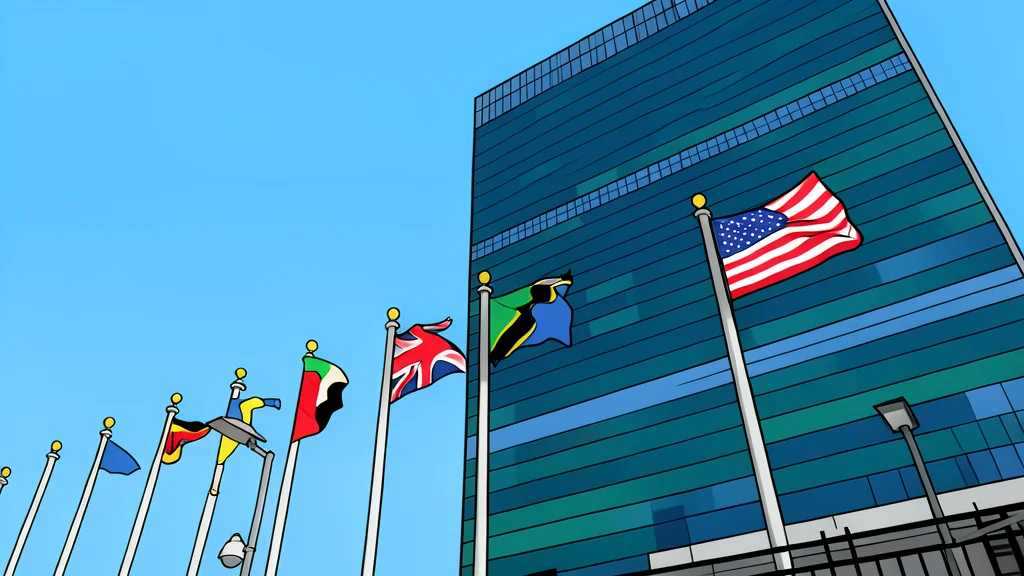
According to reports from GN auto geopolitics/middle-east: Middle East diplomacy, significant diplomatic activity is underway behind the scenes. US President Donald Trump has indicated he is close to a major decision regarding the potential re-escalation of strikes on Tehran. This decision is expected to be informed by meetings with Persian Gulf leaders scheduled for next week in New York, coinciding with the United Nations General Assembly. Additionally, a summit between President Trump and Chinese President Xi Jinping is anticipated to address the war and its broader implications for global stability and energy flows.
Diplomatic channels remain active
Efforts to de-escalate tensions are not limited to direct US-Iran negotiations. Reuters reported that Beijing has privately urged Tehran to assist in restraining Houthi militants in Yemen. This diplomatic push follows an appeal from Riyadh to China, highlighting the interconnected nature of regional security issues. The Houthis have recently advanced toward the Bab el-Mandeb chokepoint and have conducted attacks on facilities in Saudi Arabia, further complicating the security environment for energy shipments.
Analysts suggest that the unpredictability of the conflict has made traditional forecasting methods difficult to apply. JPMorgan analysts, including Natasha Kaneva, noted that the duration of the Iran conflict and its impact on oil flows have become increasingly hard to model. They stated that for the first time since the start of the conflict, there is no clear baseline view for predicting the endgame, reflecting the deep uncertainty surrounding future energy market dynamics.
Logistical hurdles persist in shipping
Despite diplomatic overtures, physical supply chains face continued stress. Saudi Arabia is working to restore the damaged East-West pipeline to the Red Sea, aiming to recover approximately half of its capacity within days. Simultaneously, tankers continue to navigate the contested Strait of Hormuz, a critical artery for global energy trade. However, there is significant disagreement among experts regarding the actual volume of oil transiting this waterway. While US Energy Secretary Chris Wright cited a seven-day average of 11 million barrels per day, Clarksons Research estimates the figure to be closer to eight million barrels.
Risks to shipping in the region remain elevated. Iranian authorities have issued threats to vessels using routes they deem unapproved, and state media reported that a Togo-flagged tanker was struck while transiting the strait. Although the report has not been independently verified, it underscores the persistent threat to maritime security. In response to these disruptions, Saudi Aramco has been seeking to secure thousands of tons of diesel in the Mediterranean, a move that aligns with broader efforts to mitigate the impact of strikes on its energy infrastructure.
Market outlook remains uncertain
The current price action caps a volatile week for crude oil, which initially surged due to the Saudi pipeline disruption before retreating. Brent crude remains more than 70% higher year-to-date, driven by conflicts in the Middle East and the Russia-Ukraine war. These sustained high prices are contributing to inflationary concerns globally. Goldman Sachs has predicted further gains in gasoline prices, indicating that the economic impact of the geopolitical instability is likely to persist even if immediate supply fears ease.