US Grants Visas for Iranian Leaders Amid Ongoing Conflict
The State Department has approved travel documents for senior Iranian officials, marking a notable diplomatic shift during an extended period of military and economic tension between the two nations.
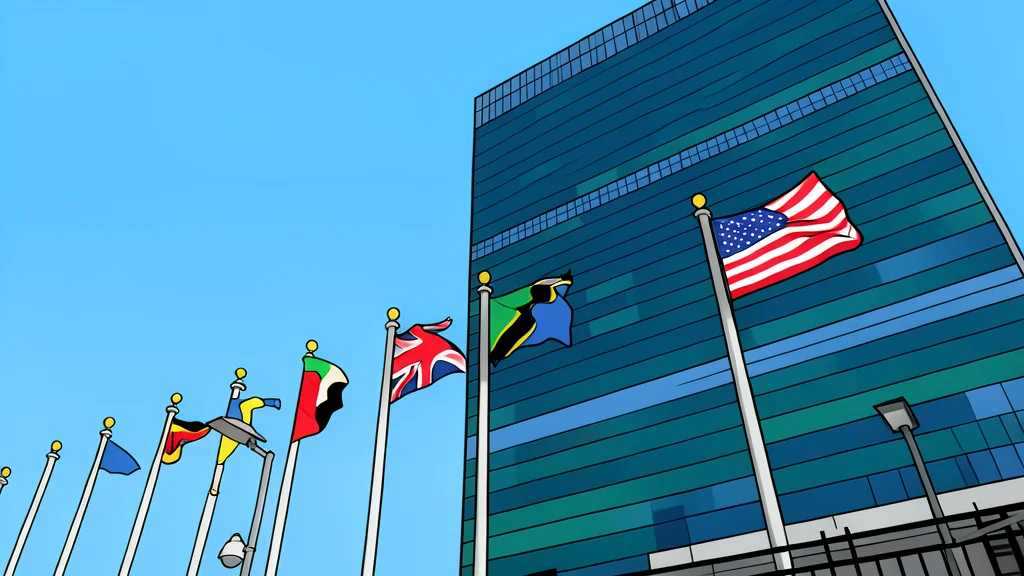
The United States has approved visas for a core delegation of Iranian officials, including President Masoud Pezeshkian and Foreign Minister Abbas Araghchi, to attend the upcoming United Nations General Assembly in New York. This decision comes at a time when the two countries are engaged in a protracted stand-off that has persisted for over six months, with no immediate signs of de-escalation or diplomatic breakthrough regarding the Strait of Hormuz or the nuclear program.
According to US officials speaking on condition of anonymity, the State Department issued these approvals despite the ongoing conflict, citing the necessity of allowing essential staffers to participate in the high-level meetings. The move is considered unusual given the current state of relations, where previous years often saw stricter restrictions on such delegations during periods of heightened tension.
Diplomatic Channels Remain Open
This development suggests that even in the midst of what has been described as a stalemate, formal diplomatic avenues are not entirely closed. By permitting the attendance of senior figures, Washington may be signaling a willingness to maintain a degree of institutional engagement with Tehran, even if substantive negotiations are currently stalled. The approval of the "core delegation" implies a structured approach to managing interactions under difficult circumstances.
Observers note that the decision aligns with broader geopolitical calculations where maintaining access to international forums is seen as a way to monitor and influence regional dynamics. The inclusion of key political leaders indicates that the US government is keeping the option of direct dialogue open, regardless of the current military posture.
Uncertainty Surrounds Strategic Decisions
President Donald Trump has recently stated that he faces a significant decision regarding the trajectory of the conflict with Iran. He has referenced the possibility of more severe measures, creating an atmosphere of uncertainty around the next phase of the standoff. This diplomatic gesture occurs against a backdrop of such rhetoric, highlighting the complex interplay between diplomatic engagement and strategic deterrence.
The situation remains fluid, with no clear agreement on reopening the Strait of Hormuz or resuming nuclear talks. The approval of visas serves as a temporary bridge, allowing for official presence at the UN without necessarily committing to immediate policy shifts. It reflects a cautious approach where the US maintains its position while leaving room for future negotiations.
Monitoring Future Diplomatic Moves
As reported by GN auto geopolitics/middle-east: Iran nuclear, the focus now turns to how these meetings will unfold in New York. Analysts will be watching for any indications of back-channel communication or shifts in tone that might precede a larger strategic decision. The coming weeks are likely to be critical in determining whether this diplomatic opening leads to tangible progress or remains a symbolic gesture amid continued hostilities.
The international community awaits further clarity on the US stance, particularly as the high-level meeting approaches. The interplay between domestic politics in Washington and the regional dynamics involving Iran will continue to shape the outcome of these interactions. For now, the approval of visas stands as a notable step in an otherwise tense and undefined diplomatic landscape.