European Union Structure and Evolving Global Role
The European Union is shifting from a post-war economic project to a complex geopolitical actor, balancing internal cohesion with external pressures.
The European Union has evolved significantly since its founding in the aftermath of two world wars, transforming from a simple trade initiative into a major global regulatory and political force. According to GN auto geopolitics/europe, the bloc now plays an increasingly critical role in shaping international standards and protecting the interests of its members against external economic and political pressures.
Originally designed to make future conflicts between France and Germany less likely through economic interdependence, the EU now encompasses a vast single border that includes nearly all of continental Europe. While the United Kingdom departed in 2020 and Iceland recently voted against membership, nations such as Ukraine and Serbia continue to pursue accession, highlighting the bloc’s enduring, if selective, appeal.
Complex Institutional Architecture
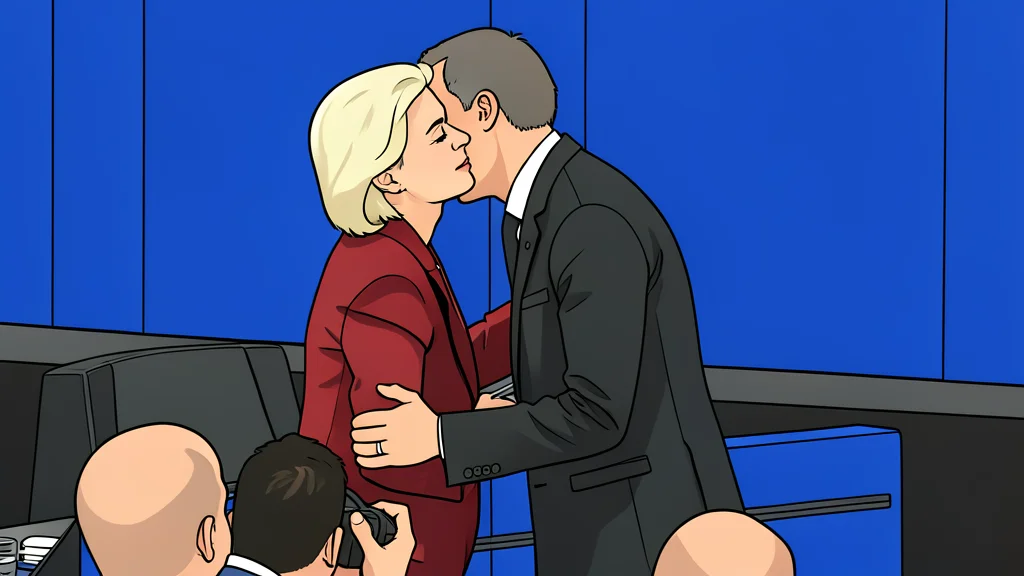
The Union operates through three distinct institutions that often confuse citizens due to their overlapping jurisdictions. The European Commission, led by President Ursula von der Leyen, proposes policy from Brussels, while the Parliament in Strasbourg represents elected members. The European Council manages political negotiations between states, creating a multi-layered governance structure that Edward Koning of the University of Guelph describes as difficult for voters to navigate.
Economic Integration and Political Tensions
Supporters argue that the EU has raised living standards across the continent by harmonizing regulations and creating a common labor market. They contend that the bloc’s 450 million consumers provide a buffer against coercion from larger powers and enable a unified approach to challenges like climate change and security threats from Russia.
Critics, however, point to the erosion of national autonomy and the bureaucratic costs associated with compliance. The 2009 eurozone crisis exposed deep fractures, with some nations feeling burdened by fiscal policies imposed by Brussels while others resisted contributing to the financial stability of their neighbors. This tension between solidarity and sovereignty remains a central debate within the organization.
Future Challenges and Watch Points
As the EU faces shifting dynamics in U.S. foreign policy and ongoing enlargement negotiations, its ability to maintain internal cohesion will be tested. Observers will watch how the Commission balances its regulatory ambitions with the economic concerns of member states, particularly regarding digital markets and energy security.
The next phase of the Union’s development will depend on its capacity to communicate its complex structure to citizens and deliver tangible benefits that justify the loss of certain sovereign powers. Whether it can adapt to new geopolitical realities without fracturing further remains the key question for the coming years.