Pezeshkian Disputes US Nuclear Accusations, Cites Internal Unity

The Iranian president has publicly challenged Washington’s assertions regarding his nation’s nuclear intentions, framing the recent escalation as a failure to divide the populace rather than a military threat.
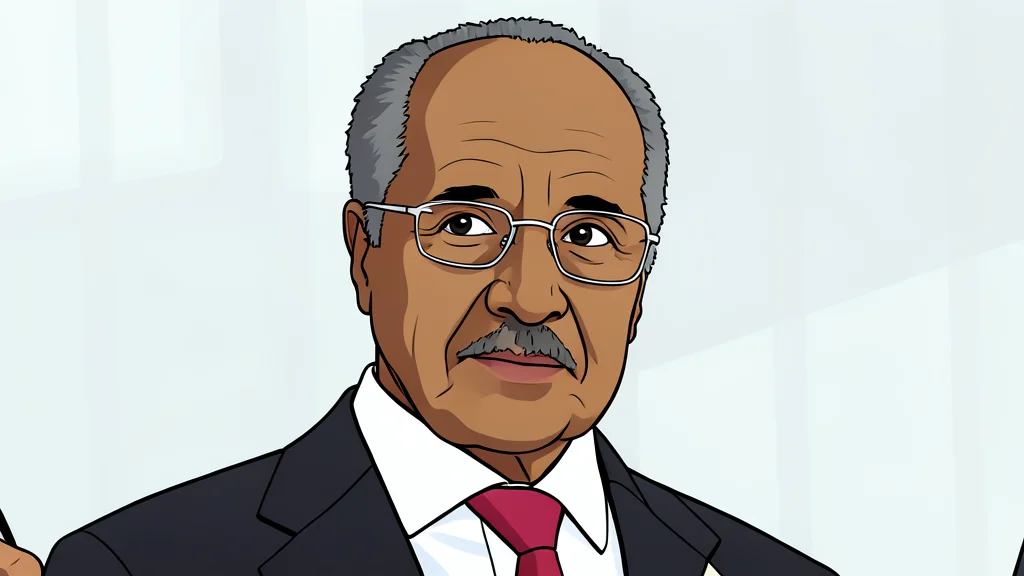
Iranian President Masoud Pezeshkian has issued a sharp rebuttal to recent US claims that Tehran is actively pursuing nuclear weaponry. In a recent interview, the president characterized these allegations as baseless, arguing that the narrative serves to justify continued pressure on the Iranian state. According to reports from GN geopolitics/nuclear (en-US), Pezeshkian emphasized that the international community’s focus on Iran’s nuclear program overlooks broader regional dynamics and the humanitarian costs of prolonged sanctions.
The president’s comments come at a time of heightened tension between Tehran and Washington. Pezeshkian asserted that the United States initially aimed to destabilize Iran’s leadership through military and economic means but failed to fracture domestic support. He described the current situation as a period of consolidation, where external aggression has paradoxically strengthened national resolve. This perspective contrasts with Western assessments that view Iran’s nuclear activities as an existential threat to regional stability.
Reframing the Narrative of Conflict
Pezeshkian’s rhetoric seeks to reframe the conflict as one of sovereignty rather than proliferation. He rejected the premise that Iran seeks weapons of mass destruction, suggesting instead that the accusations are politically motivated. The president highlighted what he described as the hypocrisy of Western human rights discourse, pointing to ongoing crises in neighboring regions. By invoking the plight of civilians in Gaza and Lebanon, Pezeshkian aimed to shift the global conversation away from nuclear compliance and toward the humanitarian impact of economic blockades.
Sanctions and Humanitarian Consequences
A central theme in the president’s address was the severe impact of economic restrictions on daily life. He stated that the blockade of food and medical supplies constitutes an inhumane form of pressure, affecting not just the government but the general population. Pezeshkian argued that these measures have failed to weaken the state, as intended by policymakers in Washington. Instead, he claimed they have unified the Iranian public against external interference, creating a more cohesive society that is less susceptible to political division.
Strategic Implications for Regional Stability
The exchange underscores the deepening ideological divide between Tehran and its adversaries. While the US maintains that containment is necessary to prevent regional arms races, Pezeshkian posits that the real danger lies in the aggressive posturing of other regional actors, specifically citing Israel’s nuclear capabilities. This counter-accusation complicates diplomatic efforts to resolve the standoff. Analysts note that such rhetoric may harden positions on both sides, making de-escalation more difficult in the near term.
Looking ahead, the focus will turn to whether these verbal exchanges translate into tangible policy shifts or further isolation. The international community is watching for signs of whether Tehran will continue to leverage humanitarian narratives in diplomatic forums or if it will accelerate its nuclear program in response to perceived encirclement. The coming weeks will likely reveal if the rhetoric remains symbolic or if it marks a significant escalation in the broader geopolitical confrontation.