India and China Reaffirm Commitment to Resolving Border Disputes
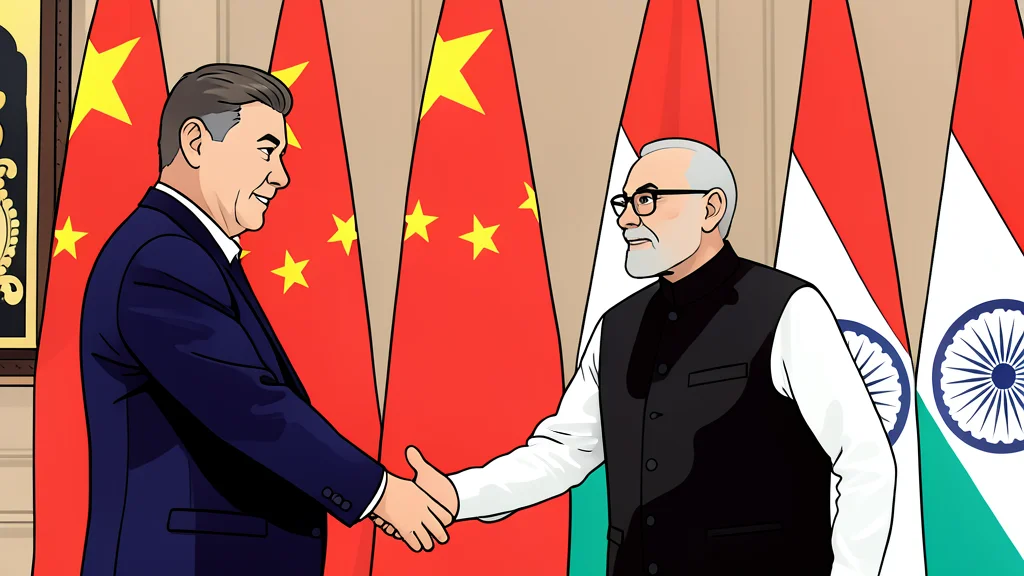
Prime Minister Narendra Modi and President Xi Jinping met in New Delhi to discuss de-escalating tensions along the Line of Actual Control, emphasizing that boundary issues should not hinder broader bilateral cooperation.
New Delhi and Beijing have reaffirmed their commitment to seeking a fair and reasonable resolution to their long-standing boundary dispute, according to official statements released after a bilateral meeting in India. The agreement comes as the two nations seek to stabilize relations that had deteriorated significantly following a violent clash in the Galwan Valley in 2020 and a subsequent multi-year military standoff in eastern Ladakh.
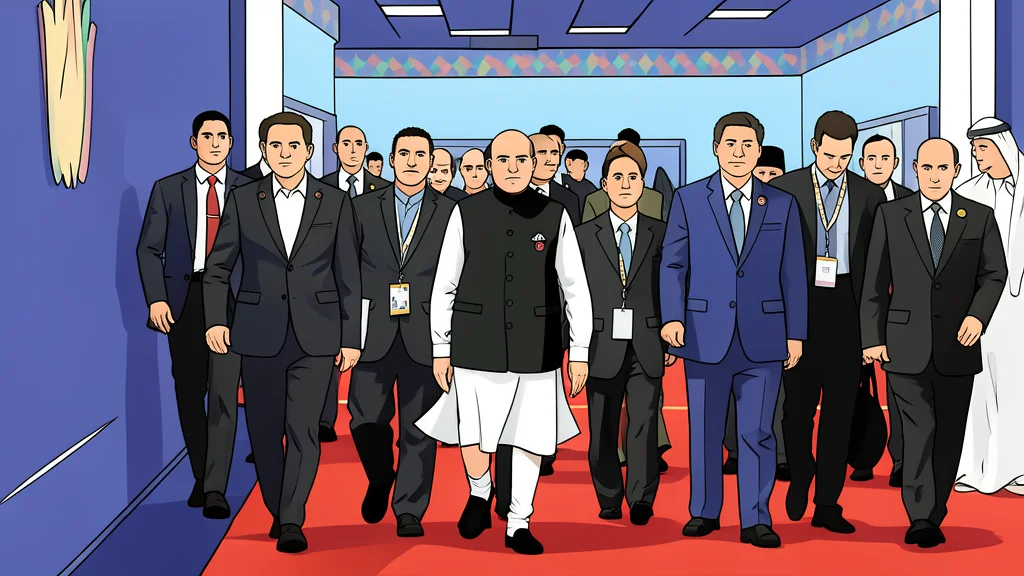
Prime Minister Narendra Modi and Chinese President Xi Jinping discussed the border issue during the sidelines of the 18th BRICS summit held in New Delhi. This marks the third high-level engagement between the leaders since efforts began to restore normalcy in bilateral ties, following previous meetings in Russia and China. Both sides emphasized that peace and tranquility in border areas are essential for the continued development of their relationship, while acknowledging the need to manage the dispute without allowing it to derail broader diplomatic and economic cooperation.
Strategic Shifts in Border Management
The diplomatic exchange highlights a nuanced approach to the Line of Actual Control (LAC). According to the Ministry of External Affairs of India, the two leaders expressed a commitment to resolving the boundary question in a manner that is mutually acceptable and aligned with the long-term interests of their respective peoples. This stance reflects a shared understanding that while the dispute remains unresolved, the political priority must be preventing further escalation.
Beijing has consistently argued that the boundary dispute should not obstruct the overall trajectory of bilateral relations, viewing India and China as partners rather than rivals. Conversely, New Delhi has maintained that peace in the border regions is a prerequisite for broader cooperation. This meeting appears to bridge these differing perspectives by committing to the parallel development of diplomatic ties and border management, ensuring that one does not undermine the other.
Historical Context of Military Standoff
The current diplomatic efforts follow a period of intense military tension that began in April 2020 when China deployed large numbers of troops close to the de facto boundary in eastern Ladakh. India accused Beijing of violating the 1993 and 1996 bilateral agreements, which prohibit the unilateral alteration of the LAC and the amassing of troops in border areas. In response, India also increased its military presence, leading to a prolonged standoff that only ended after a patrolling agreement was reached in October 2024.
The resolution of the patrolling issue in key areas such as Depsang and Demchok was a significant step toward de-escalation. According to GN geopolitics/border, the recent meeting serves to consolidate these gains by reinforcing the existing confidence-building measures. Both leaders underscored the importance of observing these agreements to maintain stability, recognizing that any breach could quickly reverse the progress made in restoring diplomatic normalcy.
Economic and Diplomatic Implications
Beyond the security dimensions, the leaders discussed the need to address structural trade imbalances and supply chain concerns. India’s trade deficit with China has reached record levels, creating pressure to facilitate more predictable market access. The agreement to promote cultural exchanges and business linkages suggests a strategic intent to decouple economic cooperation from geopolitical friction, aiming for a more resilient bilateral relationship that can withstand periodic tensions.
As the two nations move forward, the focus will be on implementing the commitments made in New Delhi. The success of these diplomatic efforts will depend on strict adherence to border protocols and a sustained effort to manage differences through dialogue rather than military posturing. The coming months will be critical in determining whether this diplomatic thaw translates into lasting stability along the rugged and contested border regions.