Qatar's Emir Warns Gulf at Dangerous Phase Amid Iran Conflict
Qatar's leader urges diplomatic resolution to the US-Israeli war on Iran, citing the critical need to reopen the Strait of Hormuz for maritime safety.
Key points
- Qatar's Emir calls the current Gulf situation one of the most dangerous phases, urging diplomatic resolution over military escalation.
- Sheikh Tamim attributes the conflict to years of delayed diplomacy and calls for a regional collective security system.
- Reopening the Strait of Hormuz to maritime navigation is highlighted as a critical step to avert further war.
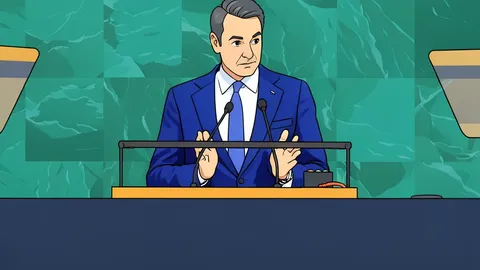
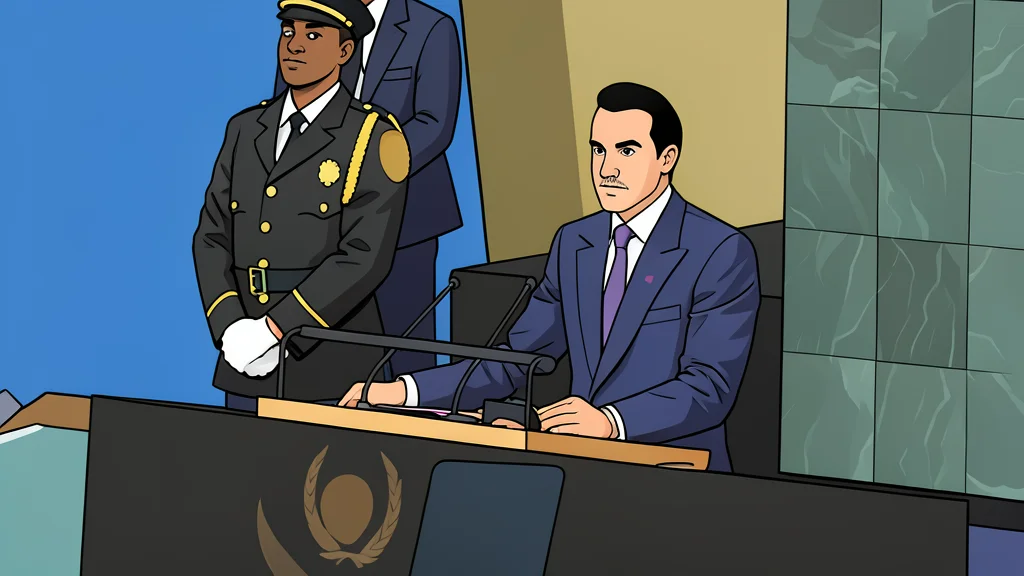
At the United Nations General Assembly, Qatar’s Emir Sheikh Tamim bin Hamad Al Thani described the current situation in the Gulf as one of the most dangerous phases in recent memory. Speaking on Tuesday, he attributed the escalation of the US-Israeli war on Iran to years of delayed diplomatic engagement, arguing that the crisis could still be resolved through dialogue.
According to Al Jazeera English, Sheikh Tamim reaffirmed Qatar’s commitment to acting as a trusted mediator in the region. He stated that while Doha is working to address the conflict diplomatically, it remains steadfast in defending its own territory and sovereignty. The Emir emphasized that a lasting solution must ensure security for the entire region, including Iran, to avert further war.
Diplomacy as Primary Path Forward
The Qatari leader argued that the current conflict is the cumulative result of postponing diplomatic resolutions over several years. He called for the establishment of a regional system of collective security, warning that without such a framework, the eruption of war becomes inevitable. He specifically highlighted the need to reopen the Strait of Hormuz to maritime navigation as a critical step toward de-escalation.
Sheikh Tamim stressed that diplomacy is the only viable path to a stable outcome. He noted that Qatar is doing everything in its power to manage the situation through peaceful means, while maintaining its right to self-defense. This approach reflects a broader regional strategy aimed at preventing the conflict from spiraling into a wider war.
Regional Security and Sovereignty Concerns
In his address, Sheikh Tamim also criticized Israel for what he described as aggression in the occupied West Bank and Gaza. He stated that these attacks have expanded to neighboring countries, affecting the security of the region as a whole. The Emir asserted that there can be no just international order as long as the plight of Palestine persists.
Qatar expressed support for the sovereignty of Lebanon, Sudan, and Libya, urging for political settlements that preserve national unity. He specifically mentioned support for United Nations efforts to reach a comprehensive political settlement in Yemen, emphasizing the importance of preserving the country's stability and sovereignty.
Strategic Importance of Hormuz
The reopening of the Strait of Hormuz was cited as a key indicator of de-escalation. As a vital artery for global energy trade, the waterway's closure or restriction has heightened tensions among major powers. Sheikh Tamim’s call for its immediate reopening underscores the economic and security stakes involved in the ongoing conflict.
Observers note that the Emir’s remarks align with broader diplomatic efforts to contain the conflict. The forward question remains whether other regional actors will join in supporting a collective security framework or if the lack of such a system will allow tensions to continue escalating.