Quiet Diplomatic Channels Emerge Amidst Regional Tensions

While public rhetoric remains sharp, diplomatic efforts are reportedly shifting toward discreet, backdoor negotiations to manage escalating conflicts in the Middle East.
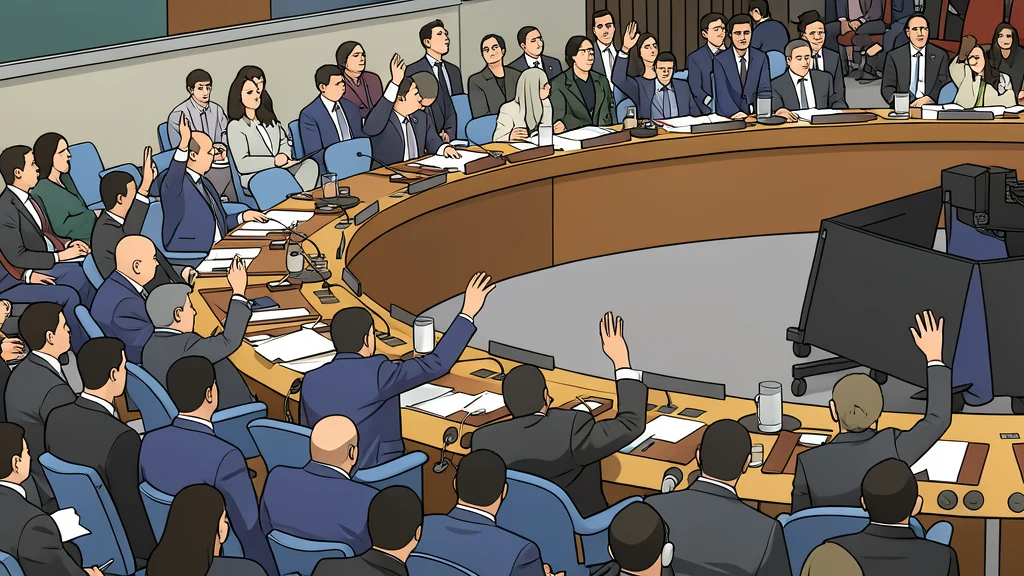
Amidst a backdrop of heightened military posturing and nuclear concerns, diplomatic efforts in the Middle East are increasingly relying on discreet, backdoor channels. According to analysis from GN auto geopolitics/middle-east: Middle East diplomacy, these quiet negotiations are attempting to bridge the gap between public statements and private realities, offering a potential pathway to de-escalation that avoids direct confrontation.
The recent surge in regional activity, including missile launches and warnings regarding nuclear capabilities, has created a volatile environment. However, behind the scenes, officials from various nations are reportedly engaging in complex dialogues to manage these crises. This shift suggests a preference for controlled communication over open diplomatic summits, which are often fraught with political risks and public scrutiny.
Discreet Channels Manage Regional Crises
The use of backdoor diplomacy allows parties to negotiate without the immediate pressure of domestic opinion or international media. By keeping these talks confidential, negotiators can explore compromises that might be politically sensitive if announced publicly. This approach is particularly relevant in the current context, where direct dialogue between certain state actors is constrained by ongoing security incidents and mutual distrust.
According to recent reports, these quiet efforts are being facilitated by regional mediators who maintain relationships with multiple stakeholders. This method of diplomacy is not new in the region but has gained prominence as traditional multilateral forums have struggled to address the specific, acute conflicts currently underway. The focus is on immediate de-escalation measures rather than long-term political settlements.
Military Posturing Influences Negotiation Dynamics
The effectiveness of these diplomatic efforts is closely tied to the military landscape. As nations display their defense capabilities and warn of potential strikes, the threat of force serves as both a deterrent and a lever for negotiation. This dual dynamic creates a high-stakes environment where miscalculation could lead to broader conflict, making the discreet management of tensions a critical priority for regional stability.
Observers note that the intensity of public warnings often correlates with the intensity of private diplomatic activity. When rhetoric escalates, it may signal that backdoor channels are being tested or that previous compromises have broken down. Understanding this interplay between public displays of strength and private diplomatic overtures is essential for predicting the next moves in this complex geopolitical puzzle.
Future Watch Points for Stability
Looking ahead, the success of these quiet negotiations will likely be measured by a reduction in proxy conflicts and a pause in aggressive military actions. Key indicators to watch include the behavior of regional proxies and the level of cooperation between rival nations on security matters. Any sign of reduced hostility or coordinated regional defense efforts could signal that backdoor diplomacy is bearing fruit.
Conversely, a sudden escalation in violence or a breakdown in communication would suggest that these discreet channels have failed to contain the crisis. The coming weeks will be crucial in determining whether the region can transition from a state of acute tension to a more stable, albeit fragile, equilibrium through diplomatic means.