Riyadh Airport Attack Signals Escalation in Yemen Conflict
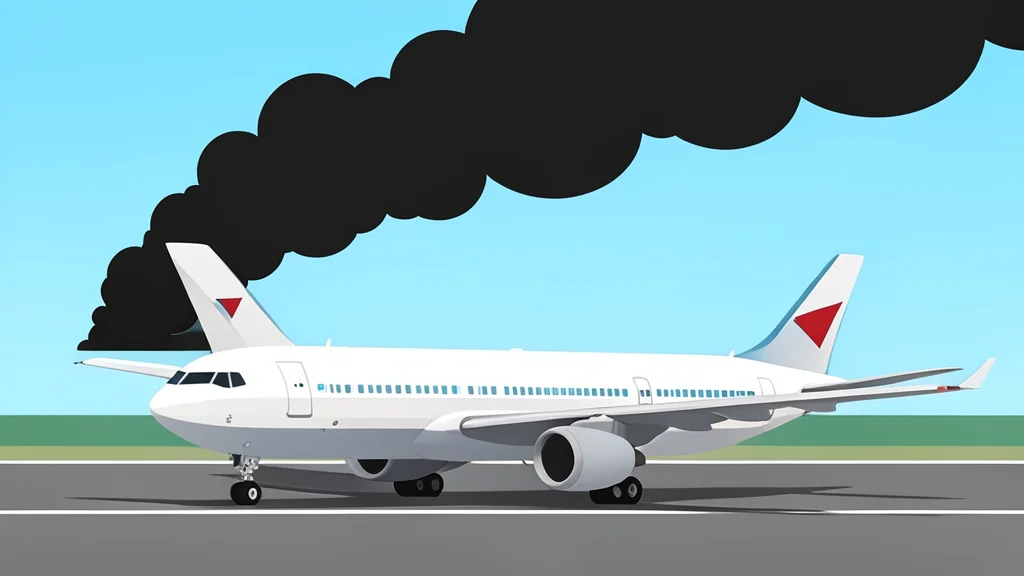
Smoke rising near Riyadh’s main airport marks a significant shift in the regional conflict, raising concerns for global energy security.
Smoke and flames were reported near King Khalid International Airport in Riyadh on Saturday, following the first air-raid alert issued in the Saudi capital during the current escalation. According to reports, loud booms were heard overnight, leading authorities to cancel flights and warn residents of a potential aerial attack before issuing an all-clear. This incident marks a notable intensification of hostilities involving Iran-backed Houthi rebels.
The attack occurs amid heightened tensions as the Houthis have recently seized territory along the Red Sea coast, effectively threatening the Bab el-Mandeb Strait. This waterway has become a critical alternative route for Saudi oil exports while the Strait of Hormuz remains under strain due to the broader US-Iran standoff. With crude oil prices surpassing $100 a barrel, the geopolitical risks to global supply chains are becoming increasingly acute.
Strategic Pressure on Global Energy Routes
The Houthis’ control over key coastal areas poses a direct challenge to international shipping lanes. Saudi Arabia had relied on this Red Sea route to maintain oil exports amid the ongoing tensions in the Persian Gulf. Recent attacks on Saudi infrastructure, including the East-West pipeline, have further complicated the logistics of global energy distribution. The state oil company Aramco has reportedly informed European customers of supply limitations for the coming month, citing these security threats.
In response, US Central Command commander Admiral Brad Cooper stated that American forces have facilitated the transit of over one billion barrels of crude oil through the Strait of Hormuz in recent months. He noted that more than 2,000 commercial ship transits have been escorted, while asserting that Iranian exports have been effectively halted. These statements suggest a concerted effort to maintain flow despite the regional instability, though the long-term sustainability of these measures remains uncertain.
Diplomatic Stalemate and Military Posturing
Diplomatic efforts appear stalled as Saudi Crown Prince Mohammad bin Salman reportedly sought military support from the United States for operations against the Houthis, a request that was not granted. Meanwhile, President Trump is preparing for a significant week of diplomacy at the United Nations, having recently made statements about potentially targeting the regime in Tehran. The lack of a clear diplomatic breakthrough leaves the region in a precarious state of armed confrontation.
The Houthi rebels have accused Saudi Arabia of launching numerous air strikes in recent days, indicating a cycle of retaliation that continues to escalate. The situation in Yemen, where the Houthis have gained ground against the Saudi-backed government, is now directly impacting wider regional security. The interplay between local conflicts and great power dynamics remains a central feature of the current geopolitical landscape, as noted in recent analyses from GN auto geopolitics/middle-east: Yemen conflict.
Forward Looking Security Considerations
The immediate aftermath of the Riyadh airport incident requires careful monitoring for further retaliatory strikes. The execution of a man accused by Iran of passing nuclear site information to the Mossad adds another layer of tension to the already volatile environment. Observers will be watching for any shifts in naval deployments in the Red Sea and Strait of Hormuz, as well as any new diplomatic initiatives aimed at de-escalating the conflict.
The coming weeks will likely determine whether the conflict remains contained within the Yemeni theater or expands into a broader regional confrontation. The stability of oil markets will depend heavily on the security of shipping lanes and the willingness of global powers to enforce safe passage. As the situation evolves, the balance between military action and diplomatic resolution will remain the primary factor in shaping the future of the Middle East.