Satellite Imagery Suggests Quiet Reconstruction at Iranian Nuclear Site
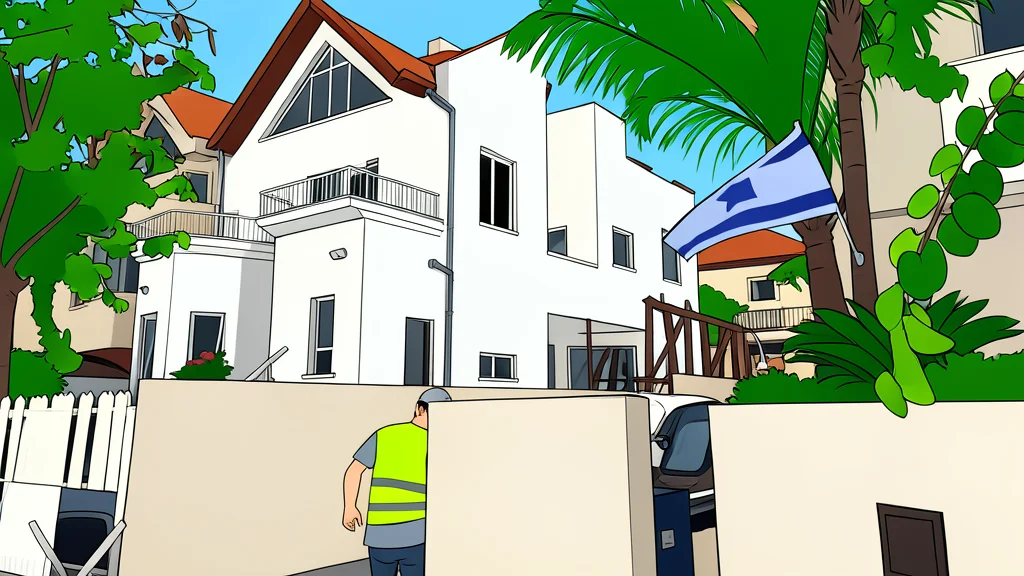
New satellite data indicates construction activity at a facility southeast of Tehran, prompting renewed scrutiny of Iran's nuclear infrastructure and diplomatic posture.
Recent satellite imagery suggests that Iran is actively working to rebuild a nuclear facility located southeast of Tehran. According to reports from the GN auto geopolitics/middle-east: Iran nuclear source, heavy construction equipment, including concrete mixers and cranes, has been observed at the site. This development follows a period of heightened tension and military strikes, with observers noting that the current activity appears designed to restore infrastructure previously damaged by Israeli attacks in October 2024.
The timing of these reconstruction efforts is significant, as they coincide with ongoing diplomatic discussions regarding the region's security architecture. Western intelligence agencies have long viewed the site as a key component of Iran's broader nuclear program, specifically linking it to historical experiments related to advanced explosives. The visible activity now raises questions about the extent of Tehran's efforts to re-establish capabilities at a location that has been under international scrutiny for two decades.
Concealed Activity Under Tarpaulins
Detailed analysis from Vantor Technologies, cited in recent intelligence briefs, indicates that Iran has erected a tarp above the destroyed, hardened buried facility. This measure is reportedly intended to hide reconstruction activities occurring underneath from satellite view or aerial reconnaissance. The use of such concealment tactics suggests an awareness of potential surveillance and a desire to limit external visibility of the work being done on the ground.
The presence of significant construction vehicles, including dump trucks, bulldozers, and concrete pump trucks, points to a substantial scale of operation. While the exact nature of the internal work remains unverified by independent inspectors, the level of activity described in the reports suggests more than minor maintenance. This aligns with earlier intelligence reports that indicated the regime began restoring the facility as early as the initial strikes, implying a long-term strategy to maintain or restore functional capacity at the site.
Historical Context of the AMAD Program
The Israeli Defense Forces have previously stated that Iran used this specific site for the development of advanced explosives and sensitive experiments as part of the AMAD Project. This program was alleged to be a secret nuclear weapons development initiative active between the late 1990s and 2003. Western intelligence agencies have suggested that Tehran carried out tests relevant to nuclear bomb detonations at the Taleghan 2 site more than two decades ago, highlighting the historical significance of the location in the context of non-proliferation concerns.
Understanding the current reconstruction efforts requires considering this historical backdrop. The site's past association with sensitive nuclear activities makes any new construction activity a matter of intense interest for international observers. The combination of historical allegations and current visible activity creates a complex picture that requires careful analysis to distinguish between defensive infrastructure and potential offensive capability restoration.
Diplomatic and Security Implications
Nuclear watchdogs, including the International Atomic Energy Agency, have faced challenges in verifying the status of Iran's highly enriched uranium, particularly since the conflicts in June 2025. There are beliefs that Iran may have moved such material underground, possibly to sites like Pickaxe Mountain, where construction activity has also been reported. The inability to fully account for these materials adds a layer of uncertainty to the current situation, making the visible reconstruction at the Tehran site a more pressing issue for diplomatic engagement.
As U.S. President Donald Trump prepares to meet with leaders from Gulf nations, the future of the conflict and the status of Iran's nuclear program are expected to be central topics. Iran has expanded its attacks on regional countries, including Saudi Arabia, Bahrain, and Kuwait, further complicating the security environment. The coming weeks are critical as efforts continue to bring fighting to an end, with the reconstruction activity at the nuclear site serving as a tangible indicator of the underlying tensions and strategic calculations at play.