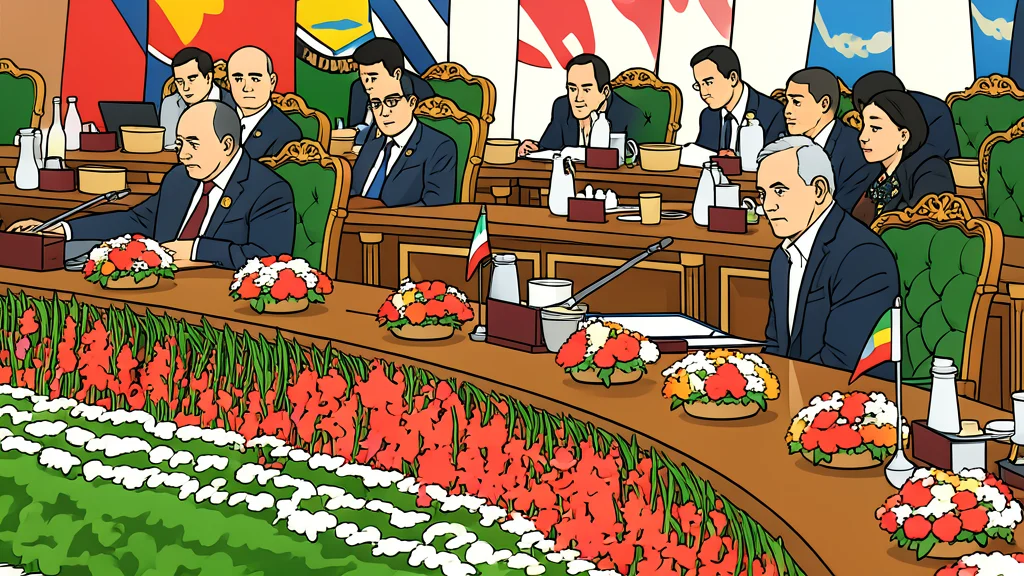
China Advances Infrastructure Deals Amid Sudan Conflict
Beijing is leveraging the ongoing war in Sudan to secure strategic port and energy contracts, positioning Chinese firms for a dominant role in the country's post-conflict reconstruction.
China is actively pursuing agreements for port modernization and energy infrastructure with the army-backed government in Sudan. These negotiations are proceeding concurrently with the ongoing civil war, a period when the diplomatic and commercial presence of Western nations has been significantly curtailed. According to reports from the South China Morning Post, Beijing is capitalizing on this vacuum to embed Chinese economic interests in critical sectors of Sudan’s future economy.
The strategic timing of these talks allows Chinese entities to negotiate under conditions where the Sudanese government holds a weaker leverage position compared to a stable, civilian-led administration. This approach aligns with a broader pattern of linking investment and reconstruction to political stability, rather than engaging in formal mediation of the conflict itself. The outcome may reshape the economic landscape of the Horn of Africa, granting Beijing substantial influence over key logistical and energy nodes.
Infrastructure agreements signed during conflict
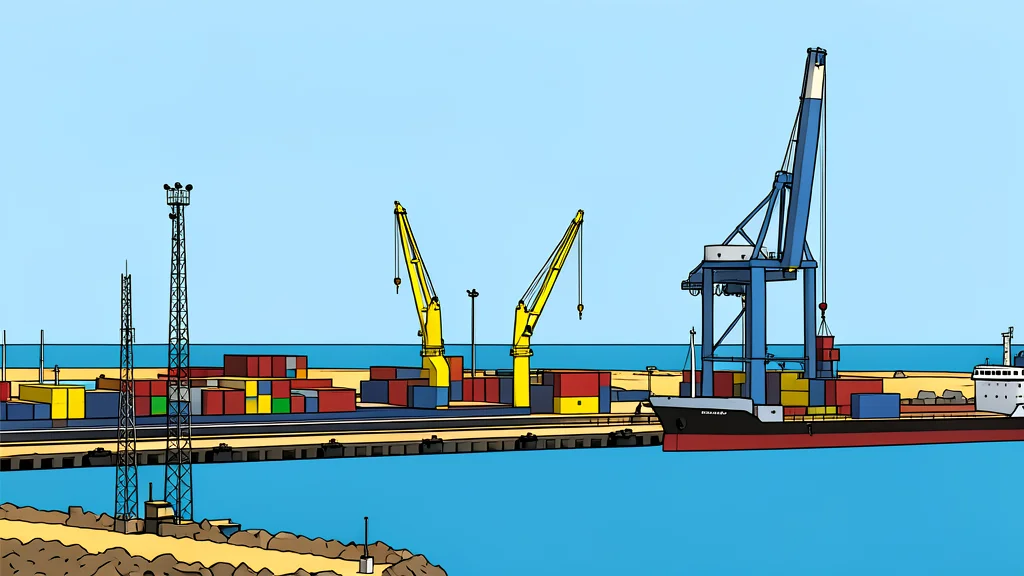
In July, Sudan signed a contract with China Harbour Engineering Company to upgrade existing ports and construct new facilities. Simultaneously, Siyuan Energy committed to assessing damaged power plants and supplying essential equipment such as transformers and mobile substations. Hunan Construction is also evaluating hybrid energy projects, indicating a broad scope of engagement across multiple critical infrastructure sectors.
Tim Zajontz, a temporary professor of international relations at the University of Freiburg, suggests that Sudan could serve as a test case for China’s “peace through development” strategy. He argues that the weakened negotiating position of the government led by General Abdel Fattah al-Burhan may enable Chinese companies to secure more favorable investment terms than would be possible under a peaceful civilian government.
Diplomatic presence and strategic positioning
The conflict in Sudan, which began in April 2023 between the Sudanese Armed Forces and the Rapid Support Forces, has fragmented control of the country. The army retains control over Khartoum, while the Rapid Support Forces hold significant territory in Darfur. While many embassies, including that of the United States, suspended operations after the fighting started, China maintained a diplomatic presence in Port Sudan. This continuous engagement has allowed Beijing to sustain dialogue and advance commercial interests despite the security challenges.
Challenges to immediate implementation
Despite the signed agreements, experts caution that practical work may not begin immediately. David Shinn, a specialist in China-Africa relations, notes that the port agreement is preliminary in nature. Furthermore, the China National Petroleum Corporation recently sought to terminate agreements on production at Block 6 and related pipelines after fighting, looting, and damage to facilities halted operations. This indicates that while the political and commercial framework is being established, the physical and security realities of the conflict pose significant hurdles to immediate execution.