IAEA Board Votes to Refer Iran over Nuclear Verification Failures
The International Atomic Energy Agency has taken a significant step by voting to report Iran to the U.N. Security Council, citing an inability to verify the status of nuclear materials following recent regional strikes.
The International Atomic Energy Agency has moved to escalate its scrutiny of Iran’s nuclear program after a contentious vote by its Board of Governors. On Wednesday, the board voted 23-3, with eight members abstaining, to report Tehran to the United Nations Security Council for failing to meet its nonproliferation obligations. This decision marks the most consequential action by the agency in two decades and signals a deepening rift between the international community and the Islamic Republic over nuclear transparency.
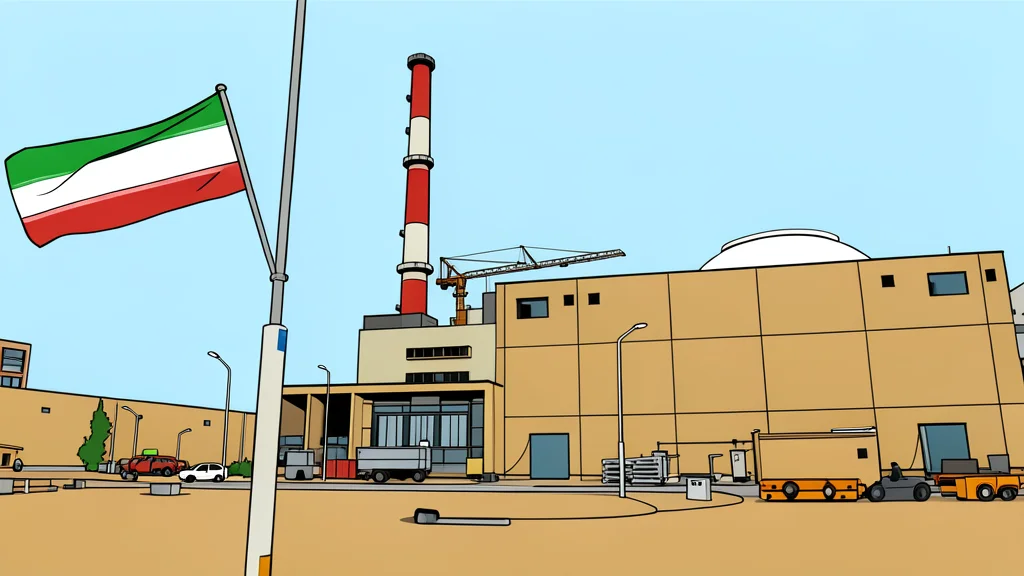
According to reports from the GN auto geopolitics/middle-east: Iran nuclear desk, the core issue is no longer just about the existence of weapons, but the total loss of visibility. The IAEA has stated that it can no longer reliably verify what Iran’s nuclear program contains. Inspectors have been unable to restore what the agency terms the “continuity of knowledge” regarding nuclear material and facilities. This gap has emerged in the wake of recent U.S. and Israeli strikes, which have left the status of Iran’s nuclear infrastructure in a state of profound ambiguity for the international monitoring body.
Verification Gap Defines New Crisis Phase
Before the recent attacks, the IAEA estimated that Iran possessed approximately 440.9 kilograms of uranium enriched to 60 percent. This level of enrichment is significantly above what is required for ordinary civilian nuclear power and is technically close to the 90 percent threshold needed for weapons-grade material. While the agency has not explicitly stated that Iran currently possesses a nuclear weapon, the inability to access relevant facilities makes it increasingly difficult to establish what material has been retained, moved, or potentially produced.
The vote by the Board of Governors is therefore a procedural consequence of a substantive failure. The international community is effectively acknowledging that its verification tools have been rendered ineffective by the current geopolitical and security environment. This shift moves the focus from routine inspections to a broader question of accountability and the limits of nonproliferation mechanisms when physical access is denied or destroyed.
Resistance Groups Commemorate 2022 Uprising
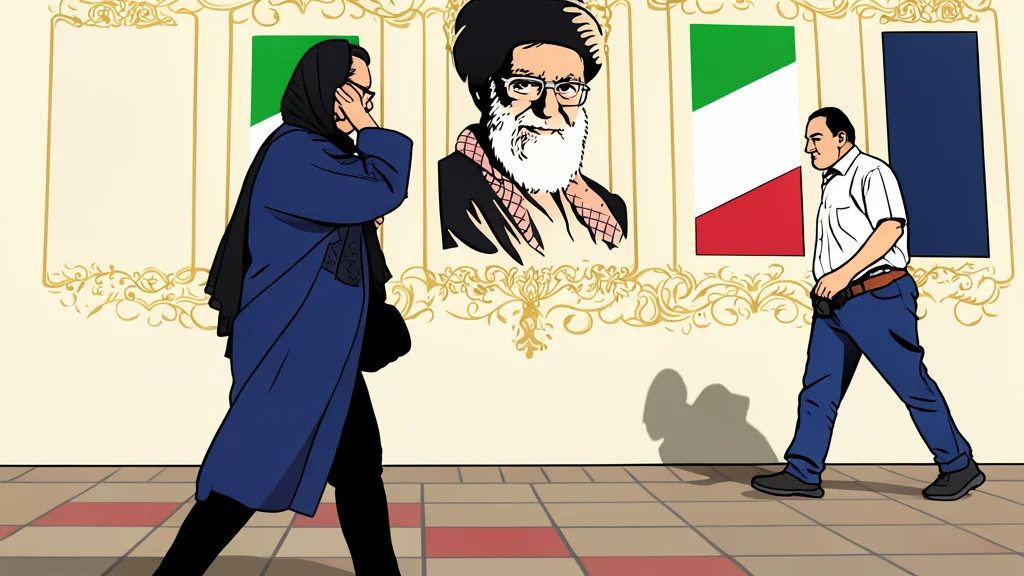
In parallel with the diplomatic escalation, opposition groups within and outside Iran have marked the anniversary of the 2022 uprising. Maryam Rajavi, associated with the National Council of Resistance of Iran, issued a message honoring the memory of the protesters and martyrs from that period. According to the statement, the group views the current moment as a preparation for a renewed surge of dissent, citing the legacy of the 2022 protests that began with the death of Jina Amini.
Members of the People’s Mojahedin Organization of Iran (PMOI) in Zahedan also marked the 61st anniversary of their founding and the election of Mahnaz Maimanat as the organization’s new Secretary General. Activists displayed public messages addressing the history of the organization and its stance on regime change. The campaign emphasized themes of women’s emancipation and organized resistance, linking the election of new leadership to a broader struggle for political transformation within Iran.
Historical Context of 1988 Prisoner Massacre
The current diplomatic and internal tensions are further contextualized by the unresolved historical trauma of the 1988 prisoner massacre. This event, which primarily targeted political prisoners affiliated with the PMOI, remains a subject of intense scrutiny and recollection for opposition groups. The failure to fully reveal the truth of these events continues to fuel narratives of systemic repression and impunity within the Iranian state apparatus.
As the IAEA proceeds with its report to the Security Council, the international community faces a complex landscape where nuclear verification is tangled with broader human rights and political stability concerns. The inability to inspect facilities due to security risks and political hostility creates a vacuum that complicates diplomatic efforts. The coming weeks will likely see increased pressure on Iran to reopen dialogue, though the current level of mistrust suggests that any breakthrough will require significant shifts in the regional security environment.