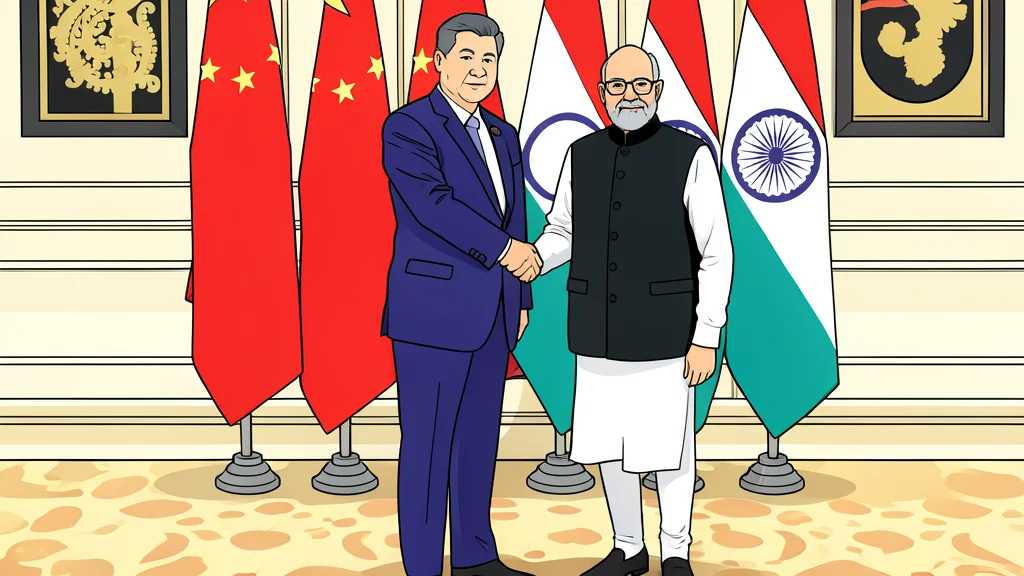
Xi Jinping Absent from BRICS Gala Dinner in Delhi
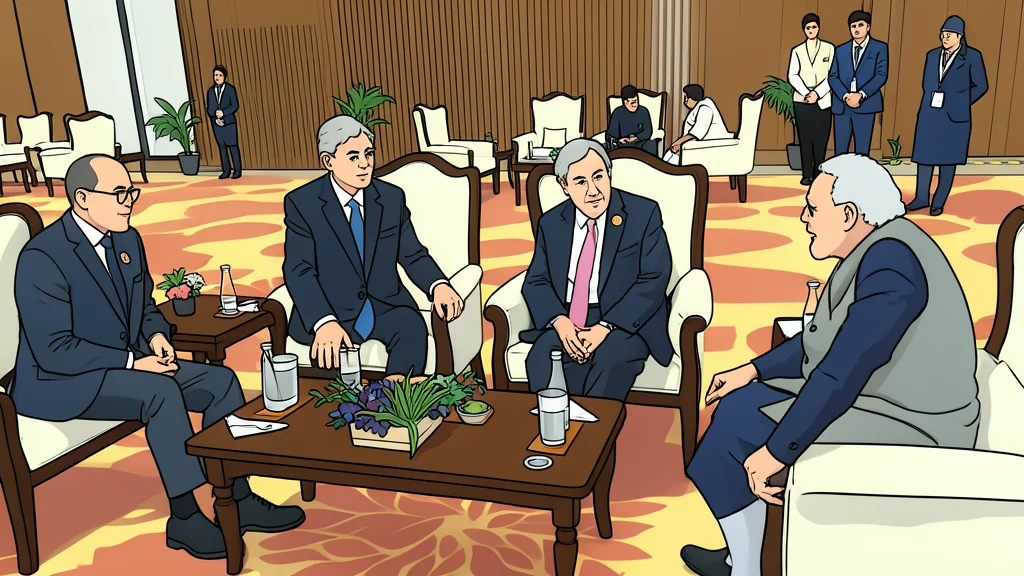
The Chinese president departed the venue shortly after bilateral talks with Prime Minister Modi, leaving the formal dinner hosted at Bharat Mandapam.
Chinese President Xi Jinping did not attend the gala dinner hosted by Prime Minister Narendra Modi for leaders and dignitaries during the first day of the BRICS Summit in New Delhi. According to sources close to the event, the Chinese leader left the venue after holding bilateral talks with the Indian Prime Minister and returned to his hotel to rest. This absence stood out given the high-profile nature of the gathering, which included Russian President Vladimir Putin and other senior members of the expanded BRICS bloc.
The summit, running from September 12 to 13, brings together leaders from eleven member states and ten partner countries. While the dinner served as a key social and diplomatic occasion, the specific reasons for Xi’s early departure were not officially detailed beyond the reported need for rest. The event was intended to foster personal connections among world leaders amidst a complex geopolitical landscape, making the attendance of major powers a significant indicator of diplomatic posture.
Diplomatic Atmosphere at the Summit
The absence of the Chinese president was noted by observers as a potential signal of scheduling constraints rather than a diplomatic rift, though interpretations remain varied. Other notable figures, including Sheikh Khaled bin Mohamed of Abu Dhabi, also missed the dinner, citing prior travel plans. The presence of a wide array of Indian Union ministers and chief ministers underscored the domestic importance placed on the event, serving as a showcase for India’s role as host and a central figure in the global south coalition.
According to reports from the GN geopolitics desk, such absences at high-level summits are often scrutinized for underlying political messages. However, in this instance, the focus remained on the logistical aspects of the summit and the subsequent bilateral engagements. The Chinese delegation’s participation in the first day’s proceedings, including the main summit session, suggested continued engagement with the BRICS framework despite the missed social event.
Cultural Showcase and Menu
The dinner itself was a significant cultural display, featuring an elaborate vegetarian menu designed to highlight traditional Indian cuisine. Dishes included khandvi mille, paneer lababdar, and millet pulao, accompanied by desserts like Old Delhi fruit cream. The meal was paired with a performance by an ensemble of over one hundred artists from India and other BRICS member states. This cultural component aimed to reinforce soft power and mutual appreciation among the participating nations, providing a backdrop for informal diplomacy.
The inclusion of such detailed culinary and artistic elements reflects the broader strategy of using soft diplomacy to complement formal negotiations. By showcasing the diversity and richness of Indian culture, the host nation sought to create a welcoming environment that encourages cooperation. The event served as a reminder of the multifaceted nature of international summits, where protocol, culture, and politics intersect.
Forward Looking Diplomatic Engagements
As the summit progresses, attention will turn to the outcomes of the second day’s sessions and any joint declarations issued by the leaders. The interactions between major powers, particularly India and China, will be closely watched for signs of de-escalation or further engagement in trade and security matters. The BRICS platform continues to evolve as a significant forum for non-Western nations to coordinate their positions on global issues, making each interaction a potential indicator of shifting alliances.
Analysts suggest that the coming days will reveal whether the current atmosphere of cautious cooperation translates into concrete agreements. The focus will likely remain on economic stability, energy security, and technological cooperation, areas where BRICS members have expressed common interests. The summit’s legacy will depend on its ability to address these shared challenges while navigating the complex dynamics of individual national interests.