Strait of Hormuz Tensions Escalate Amidst Regional Conflict
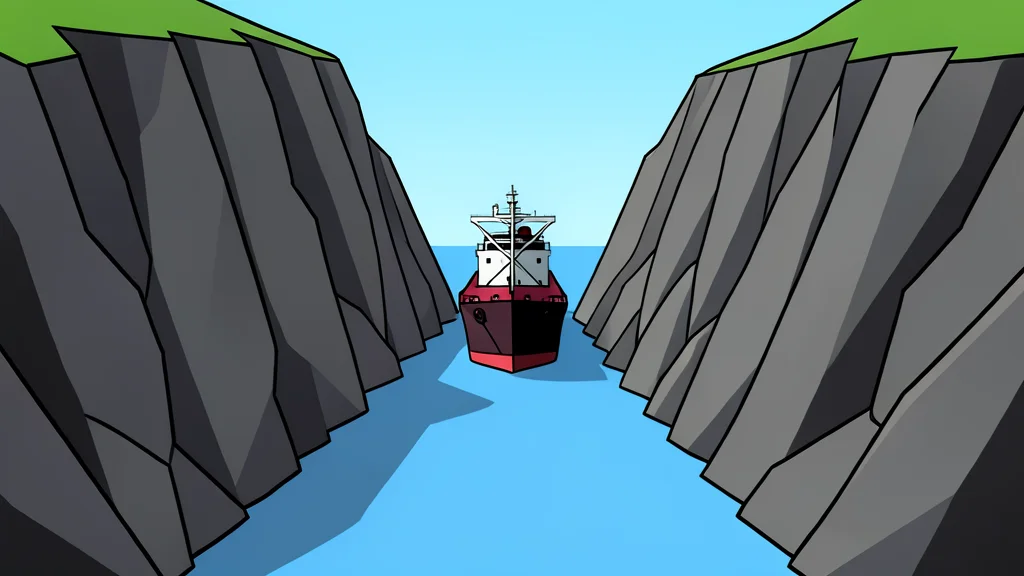
The ongoing conflict in the Middle East has transformed the Strait of Hormuz into a focal point of global economic anxiety. As diplomatic efforts stall, the disruption of vital energy corridors is reshaping trade routes and fueling uncertainty across Asia and Europe.
The geopolitical landscape of the Middle East has been fundamentally altered by the sustained conflict involving Iran, Israel, and the United States since late February. According to reports from GN auto geopolitics/global: regional conflict, the initial joint military operations triggered a cascade of retaliatory strikes that extended beyond the immediate belligerents, affecting neighboring states and global energy markets. The conflict, which began with a significant reduction in Iranian leadership capacity, has since evolved into a prolonged standoff characterized by shifting ceasefires and renewed hostilities.
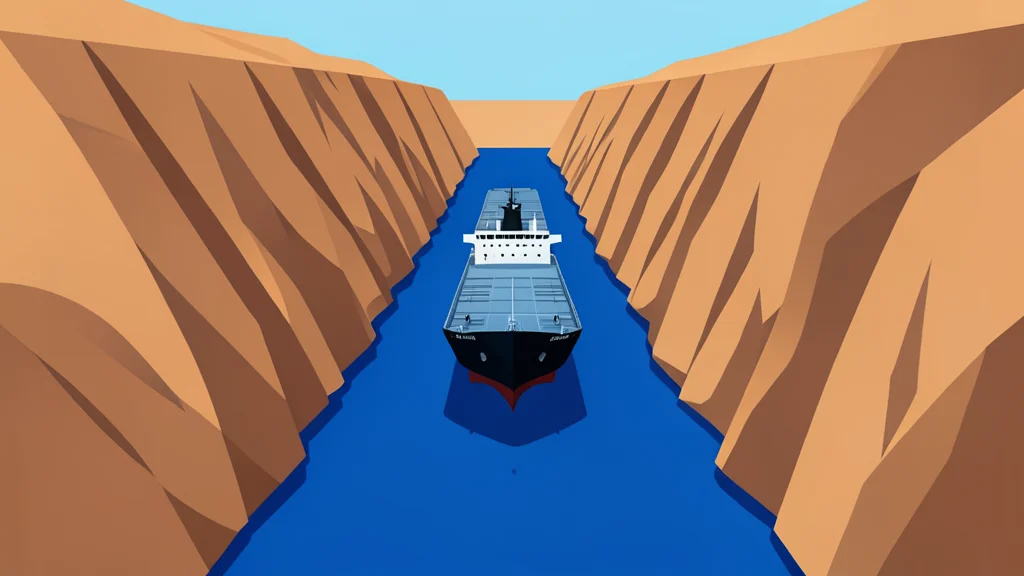
Central to this crisis is the status of the Strait of Hormuz, a narrow waterway that serves as a critical artery for global oil transportation. The threat of military engagement in this chokepoint has led to severe disruptions in maritime traffic, resulting in fuel shortages in parts of Asia. As mediators attempt to enforce a memorandum of understanding aimed at de-escalation, the recent resumption of attacks on commercial vessels signals that the path to a stable resolution remains fraught with risk and unpredictability.
Origins of the Military Standoff
The conflict emerged from years of escalating tensions regarding Iran’s nuclear capabilities and its broader military influence in the region. Following the collapse of previous nuclear agreements and failed renegotiation efforts in 2025 and early 2026, diplomatic avenues appeared exhausted. Observers note that the United States and Israel calculated that military action offered a more viable path to their strategic objectives, particularly given Iran’s weakened posture after years of sanctions and prior engagements. This calculation led to the launch of joint strikes that targeted both military infrastructure and senior political figures, marking a sharp departure from previous diplomatic approaches.
The immediate aftermath of the initial strikes saw the Iranian regime consolidate power under new hardline leadership. While the conflict initially focused on direct military exchanges, it quickly expanded to include allied groups in Lebanon and Iraq. The displacement of millions of civilians and the resumption of hostilities between Israel and Hezbollah have further complicated the regional security environment. According to regional analysts, the interplay of these various fronts has created a fragmented conflict zone where local skirmishes and state-level diplomacy often diverge significantly.
Global Energy Market Disruptions
The economic ramifications of the conflict have been felt across the globe, primarily through the disruption of oil flows from the Persian Gulf. The Strait of Hormuz, through which a significant portion of the world’s liquid fuel passes, has become a site of intense strategic contest. Threats to shipping lanes have caused insurance premiums to spike and have led to rerouting of tankers, increasing costs and delivery times. Asian economies, which rely heavily on Gulf energy, have reported fuel shortages, highlighting the vulnerability of global supply chains to regional instability.
In response to these disruptions, international markets have experienced volatility as traders weigh the risk of prolonged conflict against the potential for a rapid de-escalation. The recent strikes on commercial vessels that attempted to bypass preapproved routes have intensified concerns about the reliability of maritime transport in the region. According to energy sector experts, the situation has forced governments and corporations to accelerate efforts to diversify energy sources and secure alternative supply routes, though these measures are unlikely to fully offset the immediate impacts of the current blockade-like conditions.
Diplomatic Stalemate and Future Risks
Efforts to end the conflict have been marked by a series of fragile truces and subsequent breakdowns. An initial ceasefire agreed upon in April included Israel and provided a temporary pause in hostilities, but the underlying disputes over maritime access and security guarantees remained unresolved. The memorandum of understanding signed in June, intended to formalize an end to the conflict within 60 days, has effectively collapsed following recent incidents involving commercial shipping. This pattern of negotiation followed by confrontation suggests that a comprehensive peace agreement is currently out of reach, leaving both sides in a state of high alert.
Looking ahead, the key question is whether international mediators can find a framework that addresses the security concerns of both Iran and the United States while ensuring the free flow of commerce. The recent declaration by the United States that the ceasefire is over underscores the precarious nature of the current status quo. With the potential for further escalation and the continued risk to global energy supplies, the coming weeks will be critical in determining whether the region moves toward a durable resolution or a prolonged period of instability. Watch for further developments in maritime security measures and any new diplomatic initiatives from regional and global powers.