Strait of Hormuz Tensions Rise Amidst US Midterm Calculations
Analysts assess whether the current pause in hostilities will hold as Washington navigates domestic political pressures and Tehran manages economic strain.
The geopolitical landscape in the Middle East remains volatile as observers scrutinize the potential for renewed confrontation between Israel and Iran. According to recent discussions in the GN auto geopolitics/middle-east: Iran nuclear desk, the current lull in conflict may be temporary, with some experts suggesting that political timelines in Washington could influence military decisions in the region. The question of whether the United States will allow or encourage Israeli actions against Tehran is central to this debate, particularly as both nations navigate complex strategic interests.
The timing of potential escalation is closely linked to the upcoming U.S. midterm elections, which are shaping policy priorities in Washington. While large-scale kinetic strikes have diminished, the focus has shifted toward economic pressure and strategic deterrence. This transition reflects a broader recalibration of how the U.S. and Israel approach their relationship with Iran, balancing the desire for regional stability against the need to counter perceived threats from Tehran’s nuclear and military capabilities.
Economic Pressure Replaces Kinetic Action
Washington has increasingly relied on secondary sanctions and economic isolation as primary tools against Iran, a strategy often referred to as maximum pressure. This approach aims to weaken Tehran’s capacity to fund its military operations and support allied groups across the region. However, the effectiveness of these measures is debated, with some analysts arguing that Iran is adapting to the strain while others suggest the sanctions are having a significant impact on the Iranian economy and its ability to project power.
The shift from direct military engagement to economic warfare has created a new dynamic in U.S.-Iran relations. This 'low-temperature' conflict involves sustained pressure without the immediate risks of full-scale war. Yet, the underlying tensions remain high, with both sides maintaining significant military postures. The risk of miscalculation persists, particularly as Iran continues to develop its nuclear program and expand its influence through proxy networks.
Strategic Implications for the Strait of Hormuz
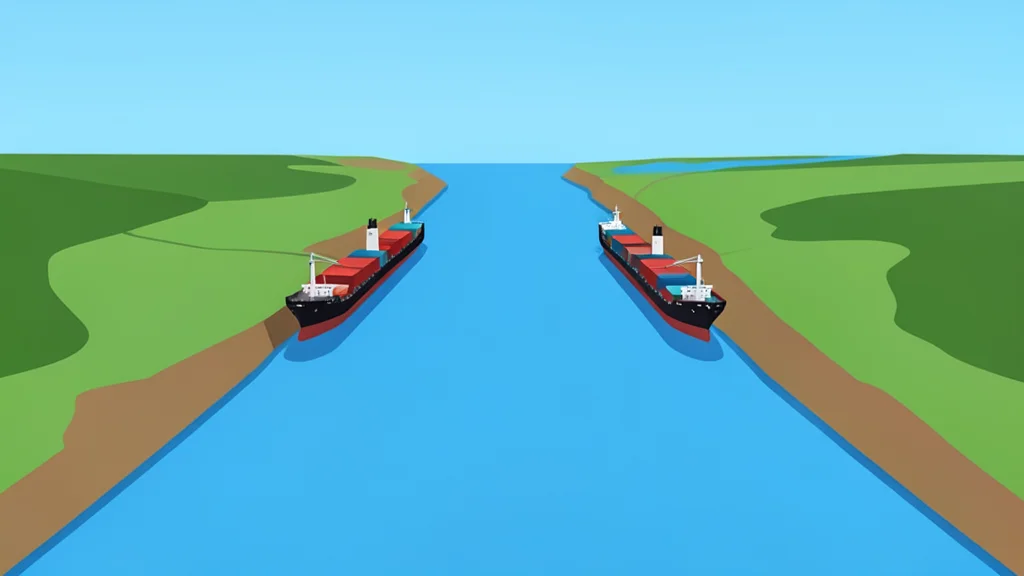
The Strait of Hormuz remains a critical flashpoint, as it serves as a key chokepoint for global oil supplies. Rising oil prices and concerns over shipping security have intensified scrutiny of Iran’s capabilities in this waterway. According to reports, Tehran has demonstrated the ability to disrupt traffic through the strait, a capability that serves as both a deterrent and a bargaining chip in negotiations with Western powers.
For Israel, the security of the strait is directly linked to its national interests, given the potential for Iranian retaliation against its territory. The interplay between energy markets and military strategy is becoming increasingly complex, with geopolitical actors weighing the economic costs of escalation against the risks of inaction. This tension underscores the broader challenges facing regional stability in the face of competing strategic interests.
Political Timelines Shape Military Decisions
The U.S. midterm elections are a significant factor in determining the future trajectory of U.S. policy toward Iran. Domestic political considerations may influence the administration’s willingness to engage in or support military actions, as leaders weigh the potential electoral consequences of escalation. This political dimension adds another layer of complexity to an already intricate security environment, where timing can be as important as strategy.
As the elections approach, both Washington and Jerusalem are reportedly assessing the risks and benefits of renewed confrontation. The possibility of a coordinated Israeli operation against Iran, potentially with U.S. support, remains a topic of intense debate among security experts. The outcome of these calculations will likely depend on a range of factors, including Iran’s nuclear progress, regional alliances, and the broader geopolitical context involving China and Russia.