The Layered Architecture of Sanctions on Iran

A complex web of restrictions from the UN, US, and EU continues to shape Iran's economic and strategic landscape.
Iran remains one of the most heavily sanctioned states globally, subject to a dense overlay of restrictions from the United Nations, the United States, the European Union, and the United Kingdom. According to Al Jazeera English, these measures have been in place since the 1979 revolution, creating a persistent economic and diplomatic constraint that targets sectors ranging from energy and banking to nuclear and missile development.
The current landscape is defined by the recent reactivation of UN sanctions and new US designations. These actions have intensified pressure on Tehran’s ability to maintain international trade links, effectively isolating specific economic pillars while targeting individuals and entities linked to strategic programs. The convergence of these distinct but overlapping regimes creates a multifaceted challenge for Iran’s integration into the global financial system.
Reactivation of United Nations measures
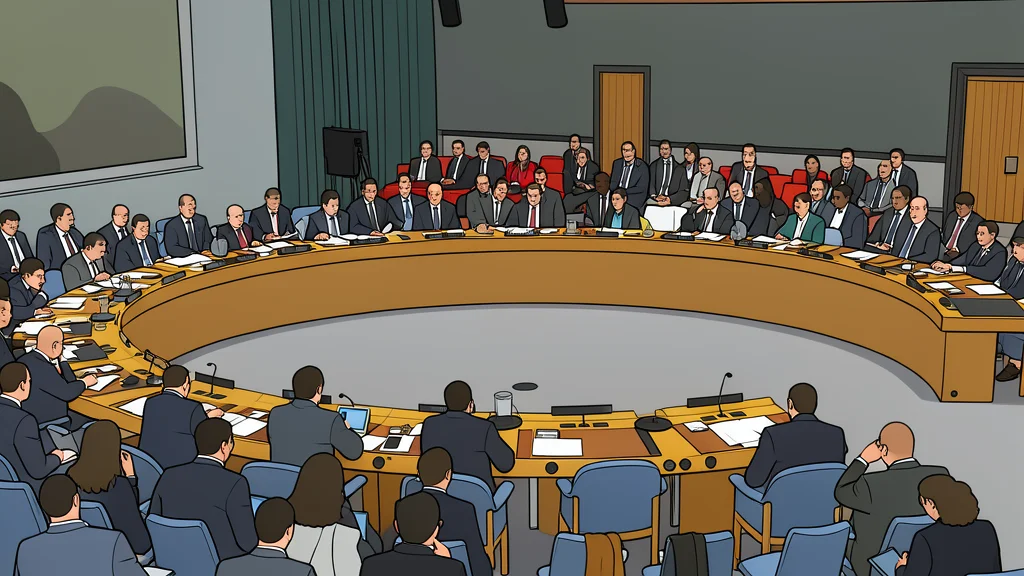
In September 2025, France, Germany, and the United Kingdom triggered the snapback mechanism under UN Security Council Resolution 2231. This move officially reinstated six previous resolutions, bringing back a comprehensive arms embargo and bans on the supply of nuclear-related materials. The UN framework also includes restrictions on ballistic missile activities and asset freezes for dozens of individuals and entities involved in prohibited programs.
The scope of these UN measures is broad, covering finance and trade linked to Iran’s strategic capabilities. By restoring these resolutions, the international community has reinforced a multilateral baseline of restrictions that operates independently of, but in parallel to, regional and national sanctions regimes.
Expansion of American economic pressure
The United States has introduced a new set of sanctions this month, enforced by the Department of the Treasury’s Office of Foreign Assets Control. These measures include a broad trade embargo and secondary sanctions that target foreign entities engaging in trade with Iran across various sectors such as digital assets, technology, gold, aviation, and shipping. The objective is to further isolate Iran from the international financial system by penalizing third-party involvement.
Additional US actions include sectoral sanctions targeting energy and shipping, as well as designations for human rights abuses and terrorism. Billions of dollars in Iranian assets remain frozen in US financial institutions, reflecting the long-term impact of these enforcement actions on the country’s liquidity and foreign exchange reserves.
European regulatory alignment and scope
The European Union maintains a regularly reviewed sanctions regime that mirrors many of the UN and US measures. This includes restrictions on the supply of goods and technology related to Iran’s nuclear program, as well as a trade embargo on Iranian oil and petroleum products. The EU also imposes financial sanctions on banks involved in proliferation, along with an arms embargo and restrictions on dual-use goods.
The United Kingdom’s approach largely aligns with these European and multilateral standards, ensuring a coordinated front against Iran’s strategic sectors. The collective effect of these overlapping regimes from the UN, US, EU, and UK creates a comprehensive barrier that limits Iran’s access to global markets, technology, and financial services, shaping the geopolitical and economic dynamics of the region.