Tragedy in the Desert: Afghan Migrants Lost to Thirst
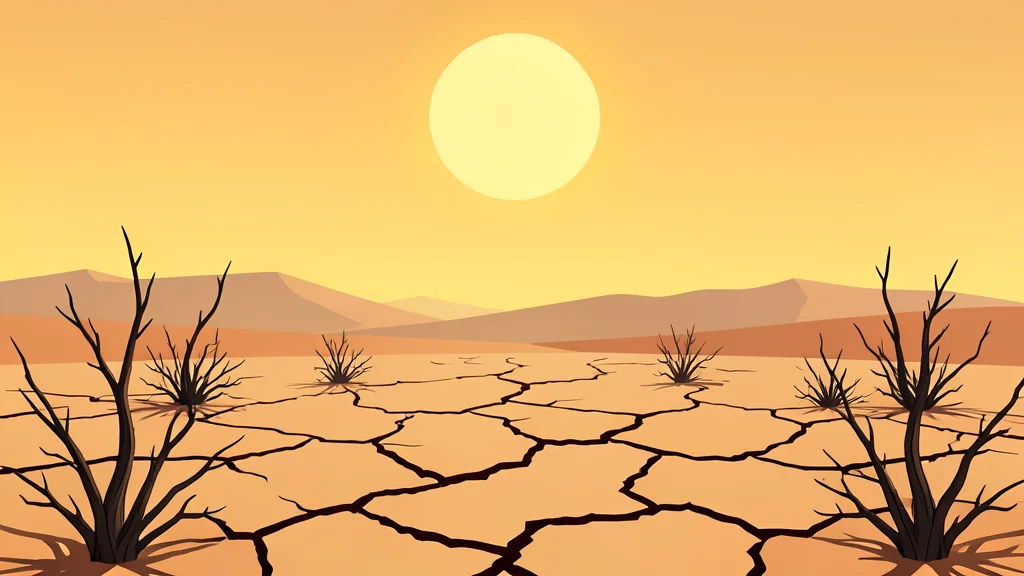
A group of Afghan migrants, including young children, perished from dehydration in Iran's Saravan region, highlighting the lethal dangers of irregular migration routes.
At least 17 Afghan migrants, including several young children, died of extreme thirst on Thursday in the Mak-Sokhteh area along the Rotak border in Saravan County, Iran. The incident, reported by the human rights outlet Haalvsh, underscores the severe physical risks faced by those traversing this stretch of the Iran-Afghanistan border during the harsh summer heat.
Among the deceased were five members of a single family from Baghlan-e Markazi Province, comprising a 45-year-old mother and her four daughters, aged 22, 18, 16, and 14. Local sources cited by Haalvsh indicated that at least six of the victims were children under the age of 14, who collapsed and died of severe dehydration after the group exhausted its water supply along the transit route.
Separation and Stranded Groups
Witnesses and relatives indicated that the group’s situation deteriorated rapidly when the men traveling with them separated from the women and children midway through the journey. This division left the remaining group stranded without sufficient access to water, leading to a cascade of deaths in close proximity to one another. The isolation of the victims from the main group appears to have been a critical factor in the tragedy.
Logistical Challenges in Recovery
Following their recovery, the bodies were transferred to Khash because the local morgue in Saravan lacked the necessary capacity to handle the number of victims. Relatives reported that logistical constraints prevented them from retrieving all the bodies immediately. Even four days after the incident, families are still struggling to arrange the transport and burial of their loved ones, a process complicated by the remote location of the site.
Ongoing Risks on Transit Routes
According to GN geopolitics/migration (en-US), this incident is part of a broader pattern of fatal outcomes for migrants attempting to cross into Iran. The lack of water and extreme temperatures on these desert routes continue to pose life-threatening dangers. As the number of displaced people seeking refuge remains high, the humanitarian infrastructure along these borders remains strained, leaving travelers vulnerable to preventable deaths.