Trump Links Iran Deal Timing to US Midterm Elections
The US President predicts a nuclear agreement with Tehran will be finalized after the November polls, dismissing Iranian strategic delays.
Key points
- US President Trump expects an Iran deal to be finalized after the November 3 midterm elections.
- Trump claims US military action has destroyed Iran's nuclear program and degraded its military assets.
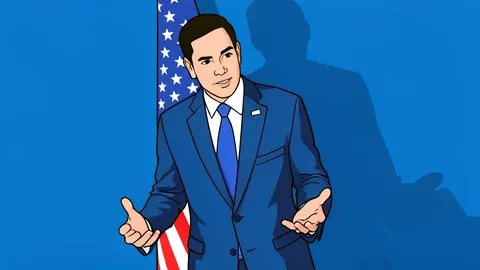
- Secretary of State Rubio confirmed Washington is open to talks, though no meeting is currently scheduled.
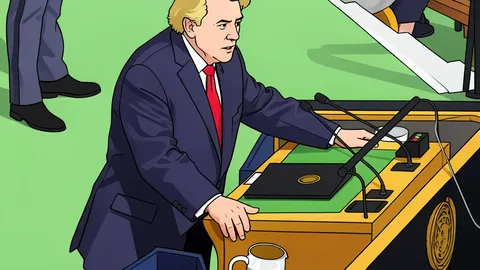
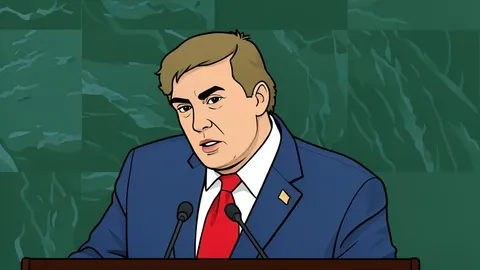
US President Donald Trump stated on Tuesday that he anticipates a diplomatic resolution with Iran will be reached following the November midterm elections. Speaking at the United Nations General Assembly in New York, the President framed the upcoming period as a critical juncture where Washington must choose between an agreement or further military action.
According to the Saudi Gazette, Trump described the situation as a "big decision," suggesting that Tehran is currently waiting to assess the political landscape in the United States before committing to negotiations. He asserted that the outcome of the domestic election would not alter his administration's stance, emphasizing that the primary objective remains ensuring Iran never acquires nuclear weapons.
Strategic Leverage in Diplomatic Stalemate
The President argued that Iranian officials are miscalculating their leverage by tying their diplomatic posture to the US electoral cycle. Trump noted that he is no longer a candidate and that his authority is secure, implying that the expectation of political pressure from Tehran is misplaced. He maintained that his administration's approach is consistent regardless of the results of the November 3 vote.
Claims of Military Degradation
During his address, Trump claimed that recent US military operations have significantly diminished Iran's strategic capabilities. He stated that Iranian naval vessels, air defense systems, and missile manufacturing facilities have been effectively neutralized. The President also cited economic indicators, claiming inflation in Iran has exceeded 300 percent, which he described as a devastating impact on the local economy.
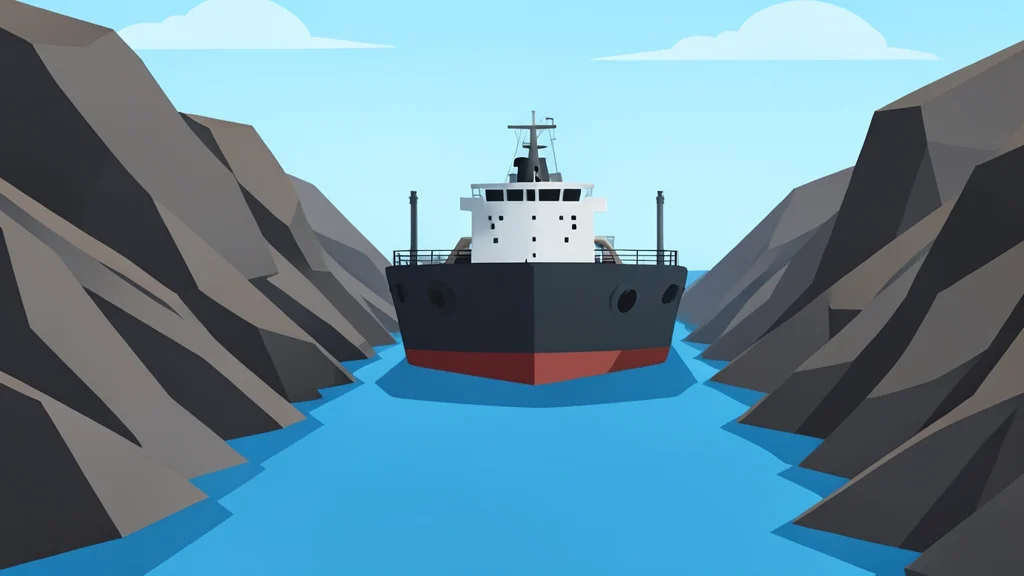
These assertions come amid broader tensions over the Strait of Hormuz. Trump accused Tehran of violating ceasefire terms by targeting civilian vessels in the waterway. He defended the use of force as a necessary measure to prevent a nuclear nightmare, asserting that the US has ample munitions and is expanding its stockpiles to maintain deterrence.
Diplomatic Channels Remain Open
Despite the strong rhetoric, signals of diplomatic engagement have emerged from both sides. US Secretary of State Marco Rubio indicated that Washington remains open to discussions with Iranian representatives, although no formal meeting has been scheduled at this time. The potential for renewed talks suggests that both nations are keeping the door open for a negotiated solution despite the current impasse.