Trump Predicts Early End to Iran Conflict Amid Pipeline Tensions
The US President suggests the war could conclude shortly before elections, while attributing recent Saudi infrastructure strikes to Tehran.
US President Donald Trump indicated on Saturday that the ongoing military confrontation with Iran may reach a conclusion in the near term. Speaking following a bilateral meeting in Ireland, the President suggested that a resolution could arrive shortly after upcoming electoral cycles, a timeline he linked to broader regional stability.
According to the President, Tehran’s primary objective is to extend the duration of the conflict to complicate the political landscape in the region. He maintained that Washington remains firm on the non-proliferation front, stating clearly that the United States will not permit Iran to acquire nuclear capabilities, regardless of the diplomatic trajectory.
Energy Infrastructure Under Threat
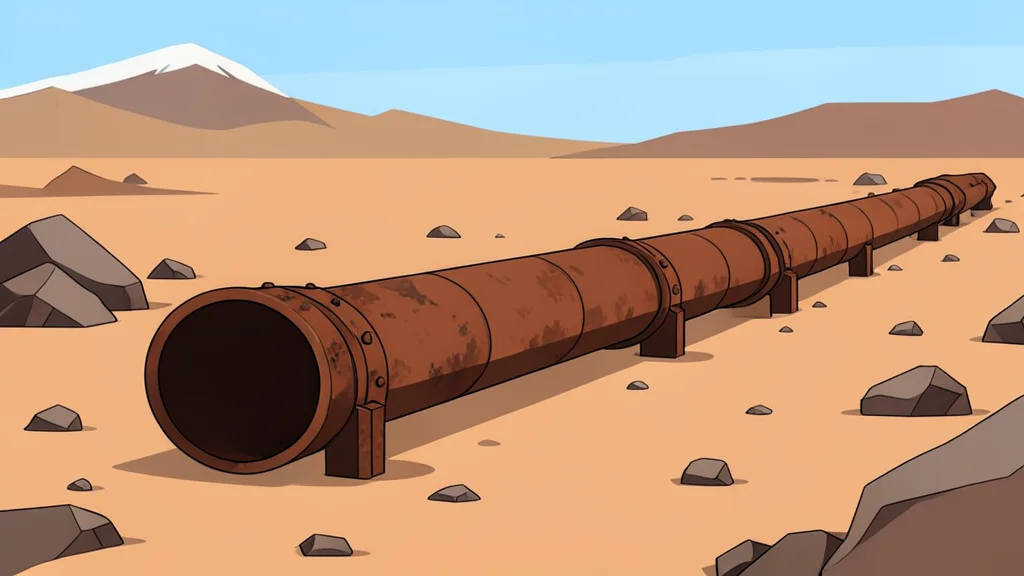
The President attributed a recent aerial attack on Saudi Arabia’s East-West pipeline to Iranian authorities. This major artery for crude oil exports, which allows Saudi Arabia to bypass the Strait of Hormuz, has become a focal point of the wider geopolitical tension. Trump stated that the US had anticipated the conflict would drive up global energy costs but expects prices to stabilize once hostilities cease.
He noted that he had spoken with Saudi Crown Prince Mohammed bin Salman, describing the monarch as a close ally. The President emphasized that the United States is closely monitoring the security of regional energy corridors, asserting that the current military posture is designed to protect critical infrastructure from further degradation.
Red Sea Naval Operations
Addressing the situation in the Red Sea, Trump claimed that Yemen’s Houthi movement has signaled a desire to avoid direct confrontation with US forces. According to the President, the group has allowed the majority of commercial vessels to pass through the waterway, indicating a strategic preference for avoiding a broader escalation with Washington.
The administration asserts it has established significant control over the maritime domain through an active naval blockade. Trump stated that US forces are currently intercepting approximately 25 vessels daily, with a high proportion of these operations conducted during nighttime hours to maximize operational security and effectiveness.
Diplomatic Stance on Gaza
The President also defended his administration's approach to the conflict in Gaza, rejecting international criticism that the US is facilitating severe humanitarian crises. He argued that Washington’s primary focus has been on securing the release of hostages and stabilizing the immediate security environment for Israel.
As reported by GN auto geopolitics/middle-east: Yemen conflict, the coming weeks will likely see increased scrutiny on both the diplomatic channels between Washington and Tehran and the physical security of energy infrastructure. Observers will watch closely for any shifts in Houthi behavior in the Red Sea and the official response from Iranian leadership regarding the pipeline strikes.