Iran Links Hormuz Security to End of US Naval Blockade
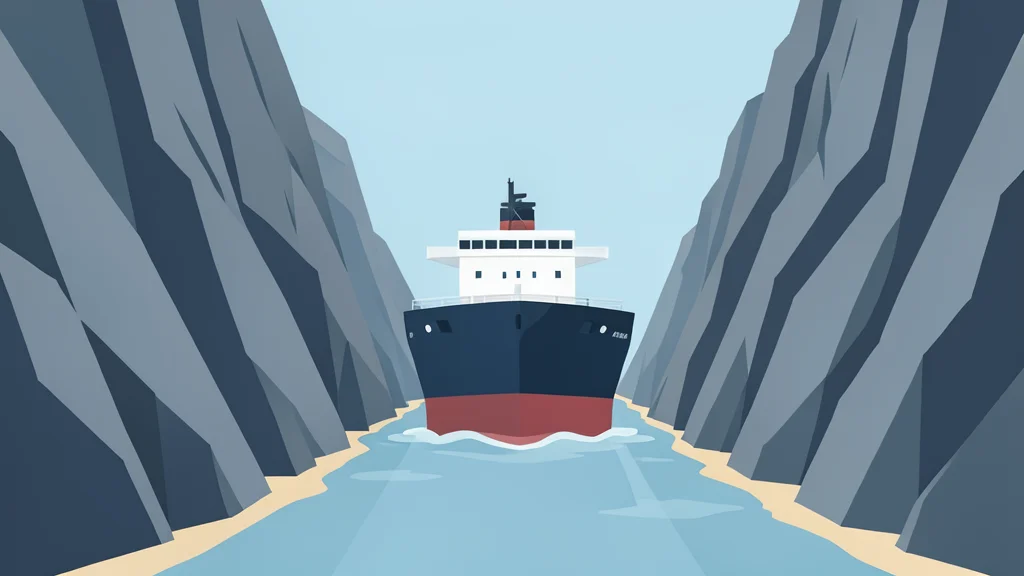
Tehran clarifies that recent transit agreements with Oman do not guarantee safe passage through the Strait of Hormuz, citing ongoing US naval restrictions as the primary barrier to regional stability.
Iran’s Foreign Ministry has issued a clarifying statement asserting that a recent technical agreement with Oman regarding transit corridors in the Strait of Hormuz does not equate to full security for shipping in the waterway. The ministry emphasized that while the two nations have established a framework for navigation, the broader political and military conditions required to declare the strait safe remain unmet.
Tehran explicitly conditioned the return of stability on the cessation of what it describes as destabilizing actions by the United States, specifically highlighting the need to end the naval blockade and economic pressure currently imposed on Iran. This distinction separates the bilateral technical cooperation with Muscat from the wider geopolitical demands Tehran is placing on Washington before it will consider the maritime route fully secure.
Multilateral forum to review corridor outcomes
Iran has confirmed it will present the results of its negotiations with Oman at a meeting of Gulf coastal states scheduled for Monday in Oman. According to the ministry, this gathering will include Iran, Iraq, and other neighboring nations, transforming the event from a bilateral showcase into a multilateral discussion on maritime governance. Tehran intends to formally table the technical outcomes of the corridor negotiations before this broader group of coastal states for the first time.
Nuclear program disputes and international scrutiny
On the nuclear file, the Foreign Ministry rejected recent international criticism of Iran’s nuclear activities, maintaining that the program is entirely peaceful. The ministry stated that reports from the International Atomic Energy Agency were misused to justify aggression against the country. It framed the push by the US and European allies to refer Iran to the UN Security Council as a political instrument designed to provide legal cover for further military action rather than a legitimate non-proliferation enforcement mechanism.
Strategic posture amid regional tensions
The combination of these statements provides a clear view of Tehran’s strategic posture. Iran is simultaneously advancing a technical arrangement with Oman and participating in multilateral maritime discussions, while insisting that neither constitutes a commitment to full strait security as long as the US blockade continues. This approach signals that Tehran intends to retain the threat of Hormuz disruption as a coercive instrument, contrasting with the optimistic framing placed on the corridor negotiations by other regional actors.