UK Sanctions on Israel Settlements Raise Questions of Intent
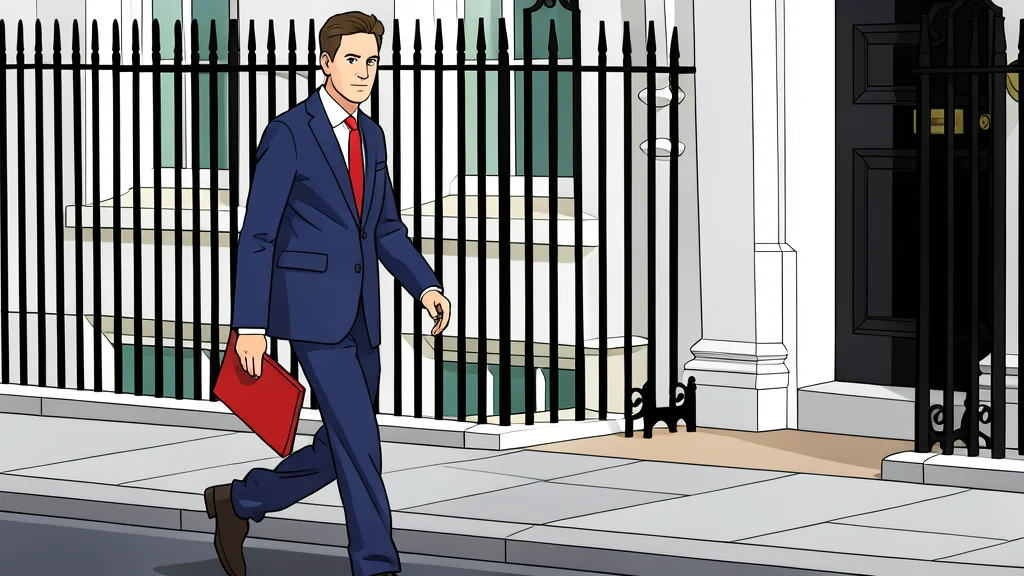
Britain’s new measures against West Bank settlements have prompted scrutiny over strategic clarity and domestic political calculations.
The United Kingdom has introduced a new set of economic measures targeting settlements in the West Bank, marking a significant shift in its long-standing diplomatic approach. According to recent parliamentary announcements, the government now formally designates Israel’s control of these territories as an illegal occupation. This move follows years of cautious engagement and raises immediate questions about the specific objectives and expected outcomes of such a policy change.
While official statements emphasize a distinction between the Israeli government and its people, the timing and scope of the sanctions have drawn critical attention. Observers note that the policy introduces import bans on goods from settlement areas while maintaining broader trade relationships. This nuanced approach reflects a complex balancing act between legal principles, diplomatic ties, and internal political considerations within the ruling party.
Shifting diplomatic stance on settlements
The new foreign secretary has outlined a strategy that specifically targets settlement expansion rather than the state of Israel as a whole. This differentiation is central to the government's current position, which seeks to isolate specific economic activities without severing broader bilateral relations. The policy includes restrictions on arms sales only when they are deemed to materially contribute to the occupation, a threshold that remains subject to interpretation and debate.
Critics argue that the distinction between government conduct and settler actions is difficult to enforce in practice. Reports suggest that internal advice warned of the economic entanglements between different populations in the region, making targeted sanctions potentially counterproductive. Despite these warnings, the administration has proceeded with the measures, signaling a willingness to prioritize normative statements over pragmatic economic concerns.
Domestic politics influencing foreign policy
Political analysts have questioned whether this policy shift is driven by external geopolitical imperatives or internal electoral calculations. The ruling party faces pressure from various constituencies, and recent commentary suggests that the timing of the announcement may reflect a desire to align with specific voter bases. This perspective views the sanctions not merely as a foreign policy tool but as a domestic political statement.
Supporters of the new measures counter that the decision reflects a moral imperative and a long-overdue correction in British foreign policy. They argue that previous administrations failed to act decisively on human rights concerns in the region. The debate thus centers on whether the policy represents a principled stand or a strategic response to shifting domestic alliances and public opinion.
Challenges in implementing targeted sanctions
Implementing these sanctions presents significant logistical and diplomatic challenges. The economic integration of the region makes it difficult to isolate settlement goods without affecting broader trade flows. Officials must navigate complex supply chains and ensure that the measures achieve their intended goals without causing unintended hardship to non-targeted groups. This complexity underscores the high risk of the policy failing to deliver tangible results.
According to the GN auto geopolitics/global: sanctions policy, such moves often serve as signals of intent rather than immediate levers for change. The effectiveness of the sanctions will depend on international cooperation and the willingness of other actors to adopt similar measures. For now, the UK’s decision sets a new precedent in its Middle East engagement, with the outcome remaining uncertain.