Houthi Strikes on Saudi Base Amidst Regional Tensions

Houthi forces launched a new wave of attacks on Saudi military infrastructure as Iran denies direct involvement in the escalating Yemen conflict.
Yemen’s Houthi movement launched a fresh barrage of missiles and drones against Saudi military targets on Monday, intensifying a conflict that has drawn regional powers into a broader standoff. According to the group, the strikes were a direct response to recent Saudi air operations inside Yemen, marking a significant escalation in hostilities that had remained dormant for several years.
As the fighting reignites, Tehran has firmly denied playing a direct role in the resurgence of the civil war. Iranian officials insist that the Houthis operate independently, a stance that contrasts with long-standing suspicions about the extent of Tehran’s support for the group. This diplomatic friction coincides with stalled negotiations between Gulf states and Iran regarding the status of the Strait of Hormuz.
Escalation Along the Red Sea
The strategic importance of the Bab al-Mandab Strait has surged as the Houthis declared a maritime blockade against Riyadh. With the Strait of Hormuz effectively choked by ongoing regional tensions, the waterway has become critical for Saudi oil exports to reach Asian markets. The disruption has forced shipping companies to adopt longer and more costly routes, contributing to a sharp rise in global energy prices.
Military exchanges have intensified in the southwestern province of Taiz, where government forces claim to have recaptured key positions from Houthi fighters. The Houthi military spokesperson stated that their latest offensive targeted specific infrastructure at King Khalid Air Base, including hangars and radar systems, citing retaliation for over three hundred Saudi airstrikes reported in the past week.
Diplomatic Friction and Denials
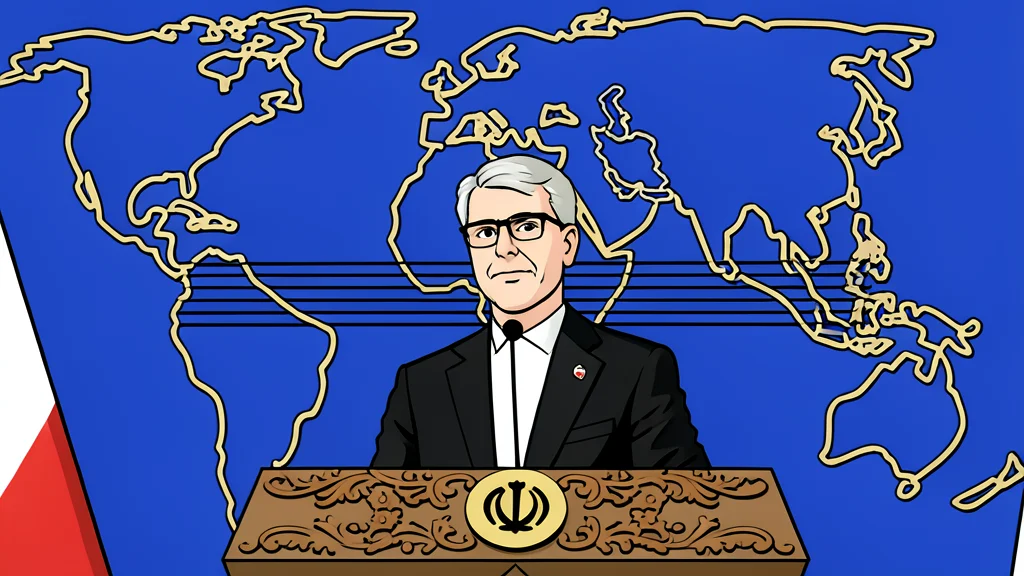
Tehran’s foreign ministry spokesman, Esmaeil Baqaei, told reporters on Monday that Iran does not interfere in Yemeni affairs. He described the Houthis as independent actors making decisions based solely on their own interests. This official position stands in contrast to previous threats from Iran to open new fronts in the region, suggesting a complex balance between direct involvement and proxy support.
Regional diplomacy has also hit a stumbling block, with a proposed meeting between Gulf states and Iran postponed. Tehran accused Riyadh of using the Yemen situation as a pretext to delay talks on the Strait of Hormuz. Meanwhile, US President Donald Trump reportedly rejected a request from Saudi Crown Prince Mohammed bin Salman for direct American intervention in the conflict, signaling a cautious approach to the widening war.
Humanitarian Crisis Deepens
The renewed violence has exacerbated an already severe humanitarian situation in Yemen. The United Nations migration agency reported that the latest fighting has forced 86,000 people to flee their homes. Earlier this year, the UN warned that 17 million Yemenis were struggling with food insecurity, with one million facing extreme hunger. The conflict continues to strain the Arab world’s poorest country, with aid access becoming increasingly difficult as frontlines shift.
The situation remains fluid, with the Houthi offensive sending shockwaves through global energy markets and diplomatic channels. As the US maintains a posture of coordination rather than direct combat, the focus remains on whether the maritime blockade will persist and how the regional powers will navigate the ongoing stalemate. The next few days will likely reveal whether diplomatic efforts can prevent further escalation or if the conflict will continue to expand.