UN Mission Raises War Crime Concerns over Strikes on Iranian Civilian Sites
A United Nations fact-finding mission has concluded there are reasonable grounds to believe U.S. military actions in Iran amounted to war crimes, sparking sharp diplomatic pushback.
A United Nations fact-finding mission has determined that there are reasonable grounds to believe the United States committed war crimes during military strikes on a primary school and a sports facility in Iran. The report, prepared by the Independent International Fact-Finding Mission on Iran, highlights concerns over the targeting of civilian infrastructure during operations in February.
The findings, which are scheduled for presentation to the UN Human Rights Council in Geneva, also address the Iranian government's response to domestic unrest. According to the mission, Iranian authorities committed crimes against humanity during a crackdown on anti-government protests that occurred just weeks before the recent aerial campaigns. The report underscores a complex legal and political landscape where both sides face serious accusations of violating international law.
Findings on Civilian Casualties
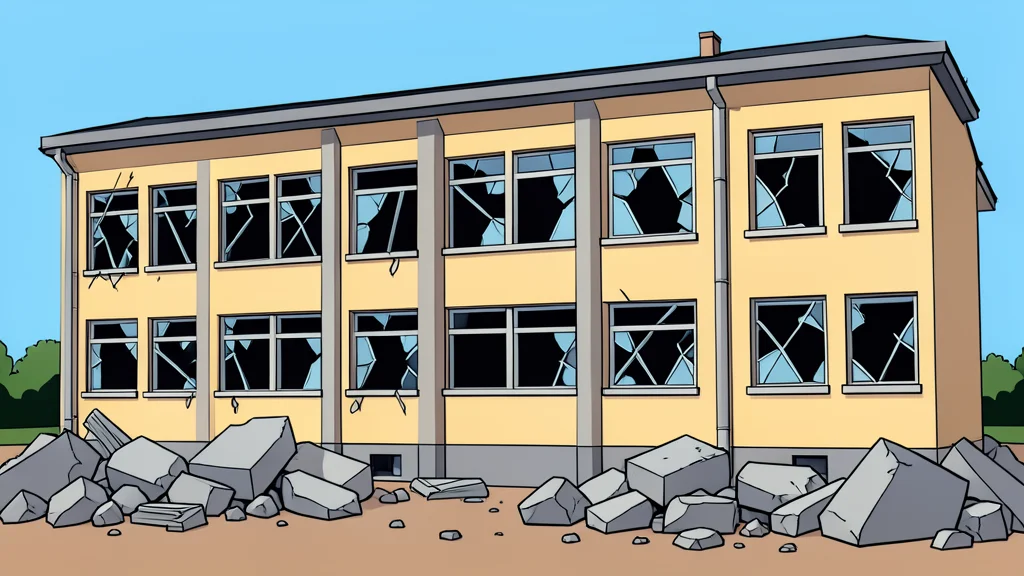
The mission’s experts focused on the attack on the Shajareh Tayyebeh Primary School in Minab, where Iranian officials reported that more than 150 people were killed, including approximately 120 schoolchildren. The report states that the U.S. failed to update targeting databases to confirm the building was not a military objective, despite it being adjacent to an Islamic Revolutionary Guard Corps naval complex. This oversight is described as reckless rather than mere negligence, leading to the conclusion that the strike was an indiscriminate attack on a clearly identifiable civilian object.
Similar conclusions were drawn regarding a strike on a sports centre in Lamerd, which resulted in the deaths and injuries of 22 civilians and caused damage to nearby residential buildings. According to the mission, the lack of adequate precautions to distinguish between military and civilian objects rendered the operation unlawful under international humanitarian law. The report emphasizes that the presence of military assets nearby does not negate the protected status of civilian structures unless they are being used for military purposes, a condition the experts found no evidence to support in this case.
Diplomatic Reactions and Context
The White House responded with a sharp condemnation of the report, with spokeswoman Anna Kelly stating that the UN Human Rights Council has failed to uphold human rights standards. She asserted that the Iranian regime is the sole party responsible for war crimes, citing alleged executions and attacks in the region. In contrast, U.S. officials have maintained that their military operations are conducted in strict accordance with the law of armed conflict, while Iranian authorities continue to reject allegations of systematic rights violations. The mission, chaired by jurist Sara Hossain, was established in 2022 to investigate such incidents independently.
This report adds to a growing body of international scrutiny following initial internal U.S. military investigations that suggested American forces were likely responsible for the fatal strike in Minab. Although the Pentagon has elevated its probe, it has not yet released preliminary findings. The juxtaposition of the U.S. investigation and the UN report highlights the ongoing tension between national security justifications and international legal standards regarding civilian protection in conflict zones.
Next Steps for Council
The experts are expected to present their findings to the 47-member Human Rights Council on Monday. The outcome of this session will be closely watched by diplomats and human rights advocates as it may influence future policy discussions on accountability in the region. According to the mission, the report serves as a factual basis for further legal and political deliberations, though binding enforcement mechanisms remain a subject of debate within the council. The coming days will reveal whether the body takes formal steps to address the alleged violations or if the issue remains stalled amid geopolitical divisions.