US Iran Conflict Costs Reach $38 Billion with Rising Monthly Estimates
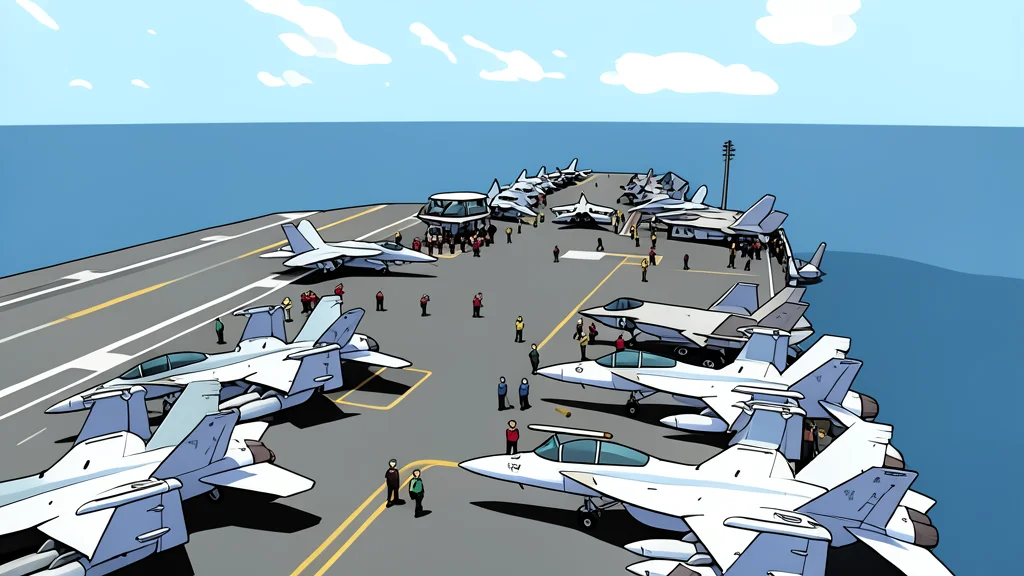
New Congressional Budget Office estimates reveal the escalating financial burden of US military operations in the region, with interceptor stockpiles facing multi-year depletion.
The United States has incurred approximately $38 billion in costs related to its ongoing conflict with Iran, according to a recent analysis by the Congressional Budget Office. This nonpartisan agency estimates that if the hostilities continue, the Department of Defense could face additional monthly expenditures of up to $3 billion. The figures, released on the 15th, provide a detailed breakdown of spending that includes ammunition replacement, increased flight hours, and fuel costs, marking a significant escalation in the fiscal footprint of the engagement.
These estimates align closely with figures previously cited by Defense Secretary Pete Hegseth, who noted similar conflict-related costs in July. While the current tally excludes expenses borne by other federal agencies, such as the Postal Service, or base operating costs already in the budget, the CBO warns that the financial pressure is likely to persist. The agency notes that considerable uncertainty remains in these projections, primarily because the Department of Defense did not respond to specific data requests regarding its operational expenditures.
Interceptor Inventory Depletion Concerns
A critical aspect of the report highlights the rapid consumption of missile defense interceptors. The CBO estimates that the US has depleted between half and two-thirds of its relevant inventory since June 2025. This significant reduction raises concerns about the nation's readiness for future conflicts, particularly with adversaries possessing large arsenals of ballistic and cruise missiles. The agency projects that it will take at least five years to replenish these stocks to previous levels.
According to the CBO, such shortages could become particularly acute in a potential confrontation with China. The report specifically notes that China possesses the missile capabilities that could play a major role in a military conflict surrounding Taiwan. This long-term depletion of defensive assets suggests that the current conflict is not only a present financial burden but also a strategic challenge that may affect US defense posture for years to come.
Energy Prices and Inflation Impact
The conflict has also exerted measurable pressure on the US economy through energy markets. Reduced oil and natural gas shipments via the Strait of Hormuz have driven up global energy prices. This increase has cascaded into higher costs for gasoline, diesel, and jet fuel, which in turn raises transportation costs and affects the prices of other goods and services.
As a result, the CBO estimates that the Personal Consumption Expenditures price inflation rate for the first quarter of next year will be 0.5 percentage points higher than previous projections. Even the core PCE inflation rate, which excludes volatile food and energy categories, is projected to rise by 0.3 percentage points. This indicates that the economic ripple effects of the military engagement are extending beyond direct defense spending into broader consumer prices.
Political Reactions and Future Outlook
The release of the report has sparked political debate, with Representative Brendan Boyle, the Democratic ranking member of the House Budget Committee, criticizing the administration’s fiscal management. He has highlighted the cumulative costs and the strategic risks associated with depleted defensive stocks. The report serves as a benchmark for the financial and strategic implications of the conflict, providing a baseline for future assessments.
Looking ahead, the key variables to watch are the intensity of military operations and the pace of replenishment for defensive systems. If fighting escalates to levels seen in July, monthly costs could rise further, accelerating the depletion of critical resources. Analysts will closely monitor how the Department of Defense balances immediate operational needs with long-term strategic readiness, particularly regarding missile defense capabilities and their impact on broader economic stability.