Vienna Forum Excludes Senior Iranian Nuclear Official
Diplomatic tensions escalated in Vienna as a senior Iranian nuclear official was barred from addressing the IAEA, following reported pressure from Washington.
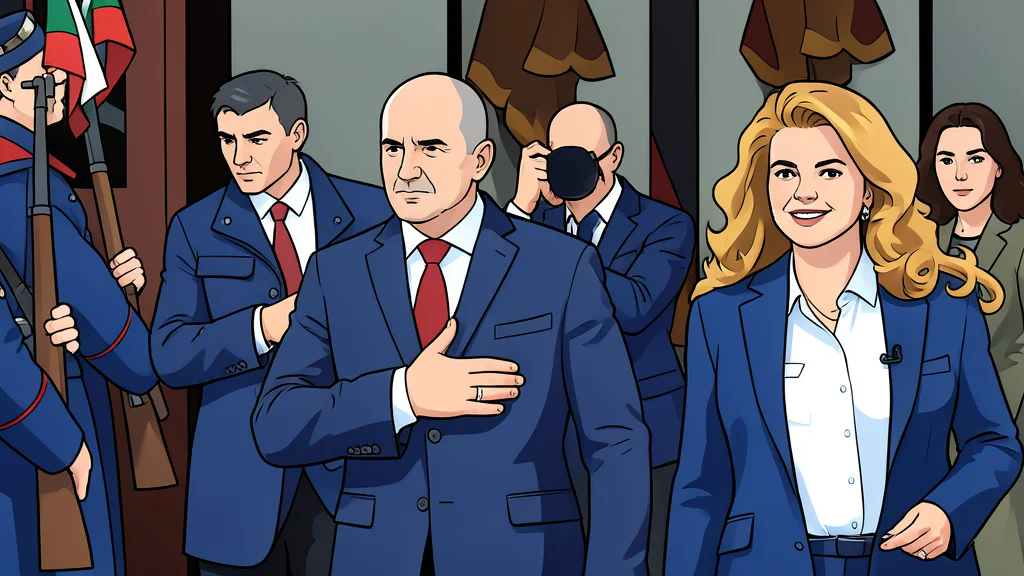
Mohammad Eslami, Iran’s Vice President for Nuclear Affairs, was denied entry into Austria to attend the International Atomic Energy Agency General Conference in Vienna. According to reports citing Bloomberg, this exclusion resulted from persistent pressure exerted by the administration of US President Donald Trump. The move prevents a high-ranking emissary from Tehran from addressing the UN nuclear watchdog at the start of the conference, a significant diplomatic shift in the ongoing standoff over Iran’s nuclear program.
While a lower-level Iranian representative is still expected to speak later this week, the absence of Eslami marks a notable break in direct high-level engagement. An anonymous official indicated that the refusal to lift sanctions, which would have permitted Eslami to travel to Austria, followed repeated requests from the White House. This action underscores the hardening posture of the US government toward Tehran, even as the IAEA continues its technical oversight of Iranian nuclear facilities.
Washington Signals Firm Stance
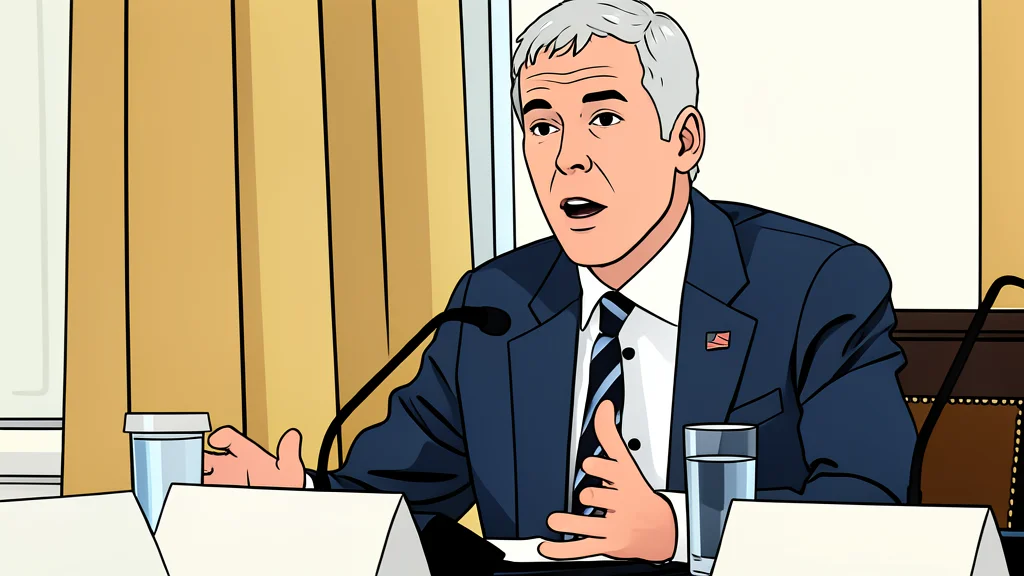
In the absence of the Iranian vice president, US Energy Secretary Chris Wright is set to use the forum to deliver a stern warning to Tehran. According to an administration representative, Wright intends to emphasize that Iran must never develop or acquire nuclear weapons. He is expected to call for full cooperation with the IAEA, demanding that Iran meet its safeguards obligations and provide the agency with the necessary access to perform its verification duties.
This rhetoric comes at a time of heightened scrutiny. The IAEA recently issued a warning regarding construction activity detected at Iran’s Mount Pakech, a heavily fortified site likely linked to the nuclear program. President Trump has also publicly referenced this activity, cautioning Iran against engaging in deceptive practices and threatening a strong response if they continue to obstruct international oversight.
Broader Regional Security Concerns
The diplomatic friction in Vienna occurs against a backdrop of renewed military activity. The Wall Street Journal recently reported that Iran has resumed ballistic missile production at underground facilities following strikes by Israel and the United States. Sources indicate that Tehran is assembling at least two main types of missiles, signaling a continued investment in its defensive and offensive capabilities despite previous setbacks.
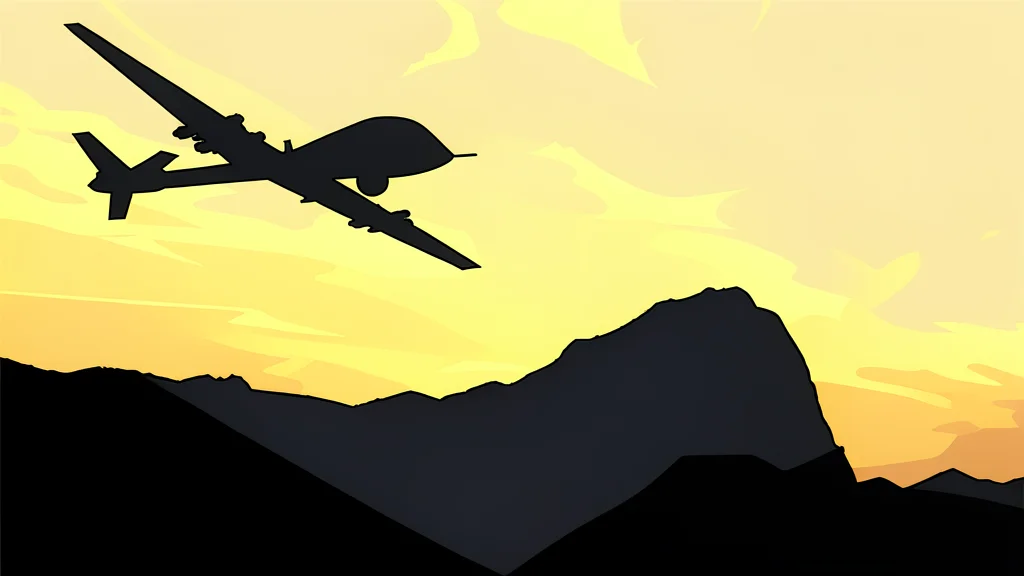
Furthermore, the Financial Times has reported that Iran has requested drones from Russia. Moscow has reportedly upgraded these unmanned vehicles to jet-powered models during the war in Ukraine. Tehran is said to need these systems for potential conflicts with the US and Israel, suggesting a deepening military alignment with Moscow as regional security dynamics shift.
Monitoring Future Diplomatic Moves
As the conference proceeds, observers will closely watch how the IAEA navigates the reduced Iranian presence and whether the agency can maintain its mandate for independent verification. The coming days will also reveal if Washington’s pressure yields any concessions from Tehran or if the standoff escalates further. Analysts from GN geopolitics/nuclear (en-US) suggest that the next few weeks are critical for determining whether diplomatic channels remain open or if the situation deteriorates into a broader regional crisis.