Washington Advises Caution for Travelers in Saudi Arabia Amid Regional Tensions

The United States has issued a heightened warning for citizens in Saudi Arabia, citing persistent threats from Iranian drone and missile activity and recent escalations near the Yemeni border.
The United States has urged its citizens to reconsider travel to Saudi Arabia, citing the persistent risk of Iranian drone and missile attacks aimed at American interests. According to the US Embassy in Riyadh, this Level 3 advisory reflects a deteriorating security environment characterized by armed conflict, terrorism risks, and potential exit bans.
The guidance specifically highlights the danger posed by hostilities that have continued since late February, when tensions between the US and Iran escalated. The embassy noted that these threats are not isolated incidents but part of a broader pattern of aggression targeting US military and diplomatic presences across the region, necessitating a significant shift in travel safety protocols.
Heightened Security Near Yemen Border
The advisory designates the area near the Yemeni border as a no-travel zone due to the direct threat of terrorism. US government employees are strictly prohibited from traveling within 20 miles of this border, reflecting the severity of the local security situation. Additionally, non-essential travel to Qatif is barred, while movement to provinces such as Jizan, Asir, Najran, and Qatif now requires special authorization from embassy officials.
This restriction aligns with the recent flare-up in conflicts in Yemen, where Houthi forces have been implicated in attacks on Saudi territory. The embassy’s stance suggests that the instability in the south poses a direct and immediate risk to civilian safety, prompting a blanket ban on casual or non-essential movement in these sensitive areas.
Recent Interceptions and Civilian Impact
The diplomatic warning comes amid a series of recent incidents involving air defenses. The Saudi-led coalition reported intercepting a drone near Makkah that was allegedly launched by the Houthi group. This event followed a previous day in which thirteen civilians were injured in missile and drone strikes on several southwestern cities, including Khamis Mushait, Abha, and Taif.
According to reports from GN geopolitics/war (en-US), these attacks have caused damage to residential homes and vehicles, leading Saudi authorities to issue widespread security warnings across multiple cities. The frequency of these alerts underscores the vulnerability of civilian infrastructure to aerial threats, even in areas far from the immediate conflict zones in Yemen and Iraq.
Escalating Regional Hostilities Since February
The root of these tensions traces back to the resumption of hostilities between the United States and Iran in late February. Tehran has reportedly targeted US military interests across the region, with Saudi Arabia frequently in the crosshairs. The embassy stated that the threat of Iranian drone and missile attacks has remained continuous since that date, indicating a sustained campaign of pressure rather than sporadic retaliatory strikes.
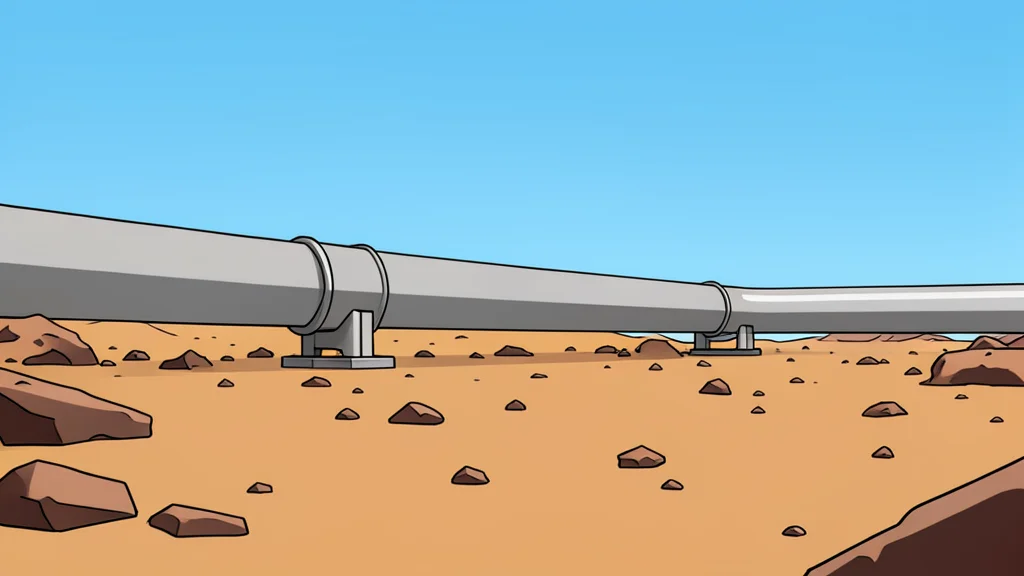
Furthermore, last week saw drones launched from Iraq target the East-West oil pipeline in the Riyadh and Madinah regions. This incident resulted in injuries and infrastructure damage, forcing a precautionary shutdown of the pipeline. These events highlight the expanding geographic scope of the conflict, which now threatens critical economic assets within the Kingdom.