Washington Seeks to Isolate Nuclear Talks from Strait of Hormuz Disputes
The US administration aims to restrict negotiations with Tehran to the nuclear program, while regional mediators struggle to manage broader tensions over maritime security and economic passage fees.
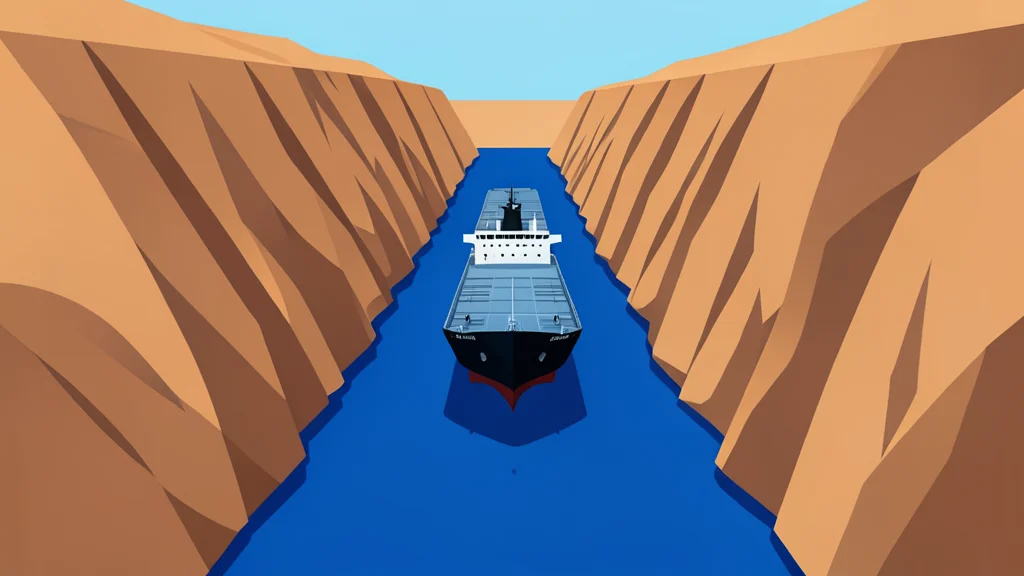
According to reports from the GN auto geopolitics/middle-east desk, the Trump administration is preparing for potential negotiations with Iran by drawing a strict line between the country's nuclear program and the ongoing dispute over the Strait of Hormuz. Sources familiar with the matter indicate that Washington intends to limit any diplomatic engagement to nuclear issues only, effectively excluding the strategic waterway from the agenda. This approach contrasts sharply with Tehran’s position, which has reportedly been conveyed to regional states, suggesting that Iran is willing to discuss its nuclear activities only after the maritime dispute is resolved and the US blockade is lifted.
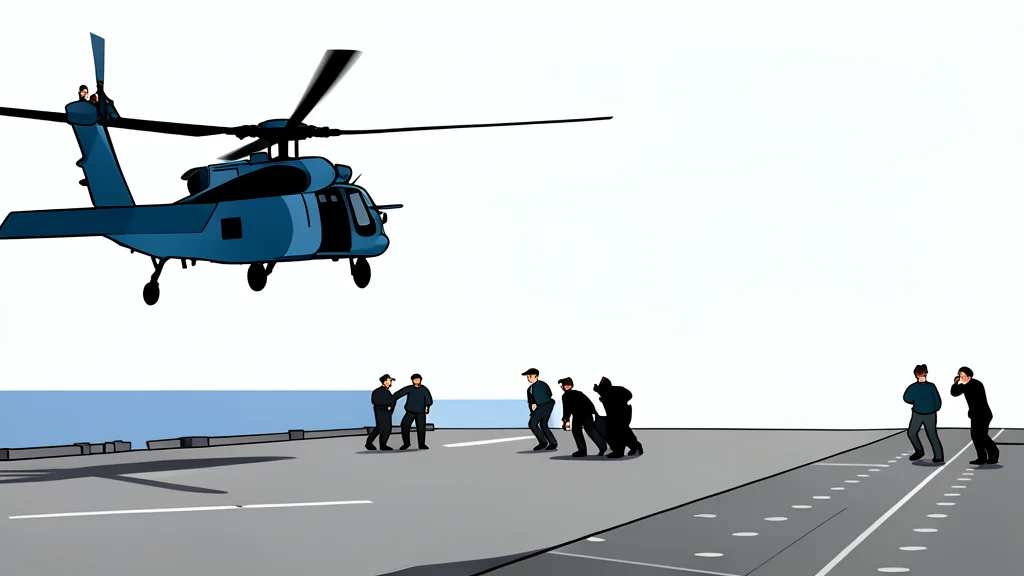
The divergent positions have created a diplomatic impasse that complicates efforts by regional mediators to restore stability. While the US maintains that it holds a military advantage in the strait, questions remain about the sustainability of its current escort operations. Meanwhile, diplomatic channels are trying to bridge the gap, but the fundamental disagreement over the scope of negotiations threatens to stall any immediate progress toward a comprehensive settlement.
Oman mediates amid stalled regional talks
Oman has been attempting to develop a regional framework for reopening the strategic waterway, but recent diplomatic efforts have hit a snag. A meeting scheduled for Monday between Iran and Gulf countries to discuss possible agreements over the Strait of Hormuz was postponed, according to Omani Foreign Minister Badr Albusaidi. He stated on social media that the delay was made in the interests of consensus and emphasized the country's commitment to fostering dialogue that supports stability and lasting cooperation in the region.
One of the main unresolved issues in these discussions is whether tanker operators would be required to pay fees for passage through the strait. Although opposition from some Gulf and European officials to potential new arrangements has reportedly eased in recent months, US officials have examined Oman's proposals without publicly backing the framework. The lack of a unified regional stance on maritime commerce adds another layer of complexity to the already tense situation, with various stakeholders weighing economic interests against security concerns.
Uncertainty clouds the duration of the conflict
Public statements from the White House suggest a desire for a swift resolution, with President Donald Trump claiming last Wednesday that the conflict would end immediately after the US midterm elections in November. He argued that Iran cannot hold out any longer and accused Tehran of trying to prolong the fighting to influence the election outcome. Trump further stated that he has no regrets about launching the war against Iran, asserting that the US has eliminated Iran's nuclear capability and that an Iranian nuclear weapon would represent a major danger to Israel, the Middle East, and the United States.
However, private assessments within the administration appear to differ from these public expectations. The Wall Street Journal reported that senior White House officials, including Vice President JD Vance and Secretary of State Marco Rubio, have cautioned that the war could potentially continue for years, possibly lasting through the end of the current term in January 2029. These officials have discussed the possibility that Iran will continue resisting US military pressure and the blockade, challenging the narrative of a quick victory and suggesting that the geopolitical landscape remains fragile and uncertain.
Forward questions on diplomatic scope
As the diplomatic landscape evolves, the key question remains whether Washington will stick to its narrow focus on the nuclear program or be forced to address broader regional security concerns. The postponement of the Iran-Gulf meeting signals that consensus is not yet achievable, leaving room for further escalation or prolonged stalemate. Observers will be watching closely to see if the US administration adjusts its stance or if regional mediators can find a compromise that balances maritime security with nuclear non-proliferation goals. The next few weeks will likely reveal whether the impasse can be broken or if the conflict remains entrenched in a cycle of military pressure and diplomatic deadlock.