WHO Warns of Health Crisis as Yemen Conflict Intensifies
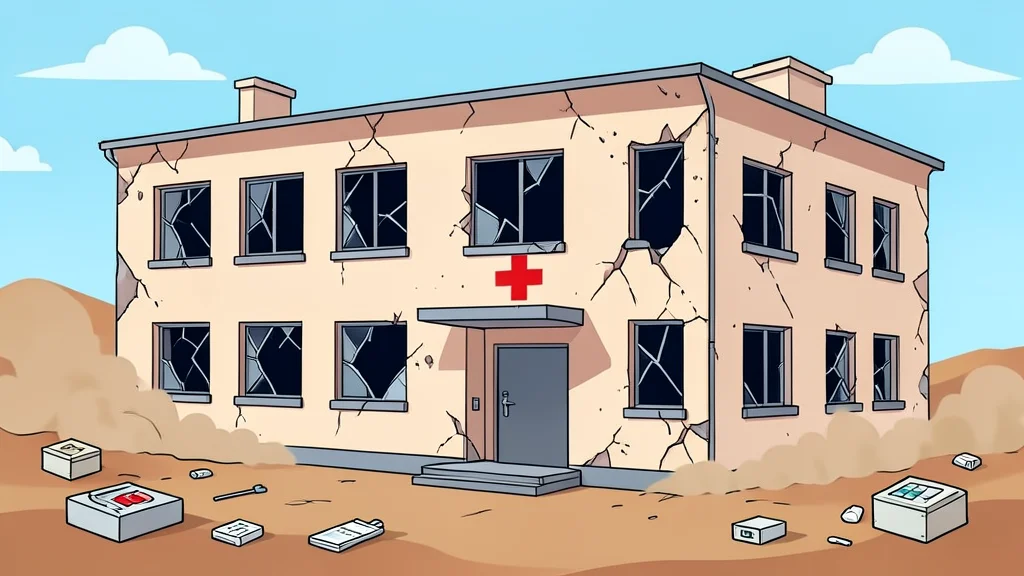
Renewed hostilities in Yemen are straining a fragile healthcare system, raising fears of disease outbreaks and severe malnutrition among vulnerable populations.
The World Health Organization has issued a stark warning that the resurgence of fighting in Yemen threatens to exacerbate an already dire humanitarian situation. According to the UN health agency, escalating hostilities are placing immense pressure on a healthcare system that is already operating at limited capacity, thereby disrupting access to essential medical services for millions of residents.
This assessment, reported by GN auto geopolitics/middle-east: Yemen conflict, highlights the direct link between military escalation and public health deterioration. The agency noted that population displacement and ongoing clashes are hindering disease surveillance efforts, which could delay the delivery of life-saving aid to communities in desperate need of support.
Rising Threats of Epidemic Diseases
Health officials have expressed deep concern over the potential for widespread outbreaks of waterborne and vector-borne illnesses. Deteriorating sanitation conditions and a lack of access to clean water are creating an environment conducive to the spread of cholera, a disease that has historically devastated the region during periods of instability and infrastructure collapse.
Furthermore, the organization noted that seasonal factors combined with weakened public health services are increasing the risk of dengue fever outbreaks. These risks are particularly acute in densely populated areas that have been heavily affected by recent conflict, where the ability to manage mosquito populations and treat infected individuals is severely compromised.
Impact on Food Security and Nutrition
Beyond infectious diseases, the conflict is expected to worsen food insecurity across the country. The WHO warned that ongoing clashes could drive up rates of acute malnutrition, with the most severe impacts falling on the most vulnerable groups, including young children and pregnant women who require consistent nutritional support.
Humanitarian agencies have repeatedly cautioned that military escalation could reverse the modest progress made in recent years to control epidemic diseases. The disruption of supply chains and the destruction of agricultural livelihoods are key factors that could lead to a sharp rise in hunger and related health complications in the coming months.
Calls for Humanitarian Access Protection
In response to these growing threats, the WHO has called on all parties involved in the conflict to ensure safe and unhindered access for humanitarian workers. The agency emphasized the critical need to protect healthcare facilities and medical personnel, who are often targeted or caught in the crossfire during intense fighting.
Looking ahead, the focus will shift to whether international pressure can translate into tangible protections for health infrastructure. Observers are watching closely to see if diplomatic efforts can secure corridors for aid delivery and if the international community will provide the financial and logistical support necessary to prevent a full-scale health emergency.