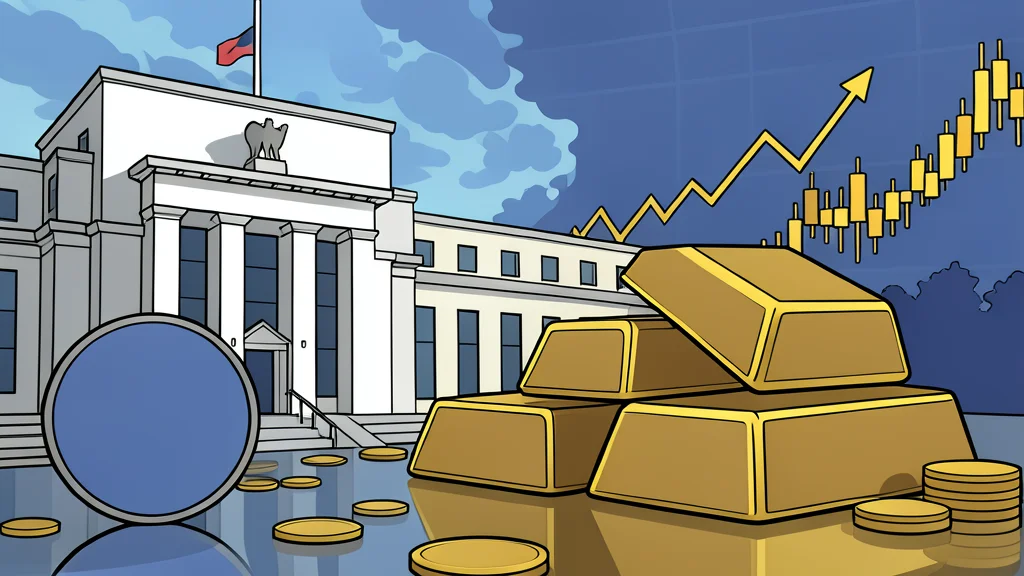
SSR Mining Shares Rise 3.6% as Gold Rebounds
SSR Mining shares climbed 3.6 percent on Thursday. The move follows a one-month low in gold prices.
SSR Mining shares rose 3.6 percent by 10:25 a.m. Eastern Time on Thursday. This gain reversed the earlier decline triggered by the Federal Reserve's first interest rate hike in three years. The stock moved from a sell-off to a positive close in early trading.
Gold prices also recovered from their recent dip. The metal bounced back to just over $4,401 per ounce. This marks a 0.3 percent increase from the previous session's low.
Fed Hike Drives Initial Gold Drop
Federal Reserve Chairman Kevin Warsh cited persistent high inflation as the reason for the rate change. The central bank raised its target interest rate by 0.25 percent. The new range is 3.75 percent to 4.0 percent.
Higher rates make bonds and bank accounts more attractive to savers. Gold does not pay interest, so it loses relative appeal. Consequently, gold fell to $4,333 per ounce on Wednesday. That level was the lowest price seen in one month.
Valuation Remains Low Amid Slow Growth
SSR Mining trades at a multiple of 13.2 times trailing earnings. This makes it one of the cheaper gold mining stocks available. However, analysts polled by S&P Global Market Intelligence see limited upside. They forecast only 1 percent annual earnings growth over the next five years.
Investors must weigh the low valuation against weak growth expectations. If the current economic trajectory continues, the stock may lack momentum. The recent price pop may not signal a sustained trend.
Gold Outlook Remains Uncertain
Logic suggests gold prices should fall as interest rates rise. However, the market is not following that path today. The metal held its ground despite the rate hike. Future Fed meetings will likely focus on keeping inflation under control.
GN auto markets/commodities data shows gold prices stabilizing near $4,401. This stability contradicts the immediate expectation of a decline. Market participants are monitoring how the Fed's policy affects demand for non-yielding assets.