ECB Rate Hikes Increase Renewable Energy Costs

A 50 percent rise in energy prices adds 1.8 percentage points to inflation, according to new research.
A 50 percent rise in energy prices adds 1.8 percentage points to overall inflation. This finding comes from new research by the London-based New Economics Foundation. The study quantifies the direct link between fossil fuel costs and consumer price indices. It highlights the specific impact of recent market volatility.
Oil prices are up 60 percent compared to last year. Dutch benchmark gas prices are 166 percent higher than in the previous period. These figures represent significant upward pressure on household budgets. The research notes that not all of this increase reaches final consumer bills. Government support and regulated tariffs absorb a portion of the cost.
Fossil Fuels Drive Inflation Risks
Fossil fuel and energy costs were the biggest inflation risk in most countries. Data from 13 nations shows these costs ranked in the top five everywhere. The Czech Republic, Bulgaria, and Croatia face the highest exposure. Sweden and Austria show lower relative impacts. The New Economics Foundation identifies these sectors as primary triggers for price instability.
Maike Schmidt, a researcher at the institute, links current inflation to historical events. She cites the 1970s OPEC embargo and recent geopolitical conflicts. She states that reducing reliance on volatile fuels is the only solution. The research argues that structural change is necessary to limit inflation across Europe.
ECB Policy Raises Renewable Costs
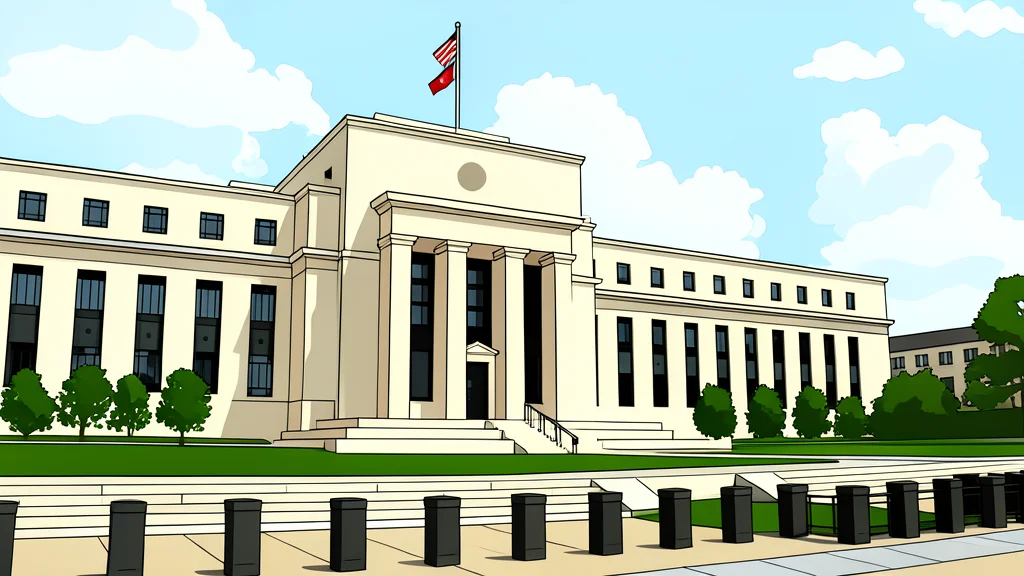
The European Central Bank raised interest rates last week. This move aims to prevent inflation from spreading through the economy. However, higher rates increase the cost of capital for new projects. Renewable energy projects often rely on debt financing. They require large upfront cash investments to build infrastructure.
The research warns that this creates a counterproductive effect. Higher borrowing costs make renewables more expensive to deploy. This can lead to continued reliance on oil and gas. The report describes this as a risk of carbon lock-in. It suggests that the current monetary policy may undermine long-term price stability.
Market Implications for Clean Energy
The New Economics Foundation notes that the estimates are illustrative. They are not predictive of exact future outcomes. The analysis assumes only a fifth of the total effect arrives within a year. This timing depends on Bank of England estimates. The data provides a baseline for understanding current market dynamics.
Policymakers face a difficult trade-off in the current environment. Fighting fossil-fuel inflation with rate hikes punishes the renewable sector. This dynamic complicates the transition to cleaner energy sources. The research by GN markets/inflation (en-US) sources highlights this structural tension. It calls for a reevaluation of standard monetary responses to energy shocks.