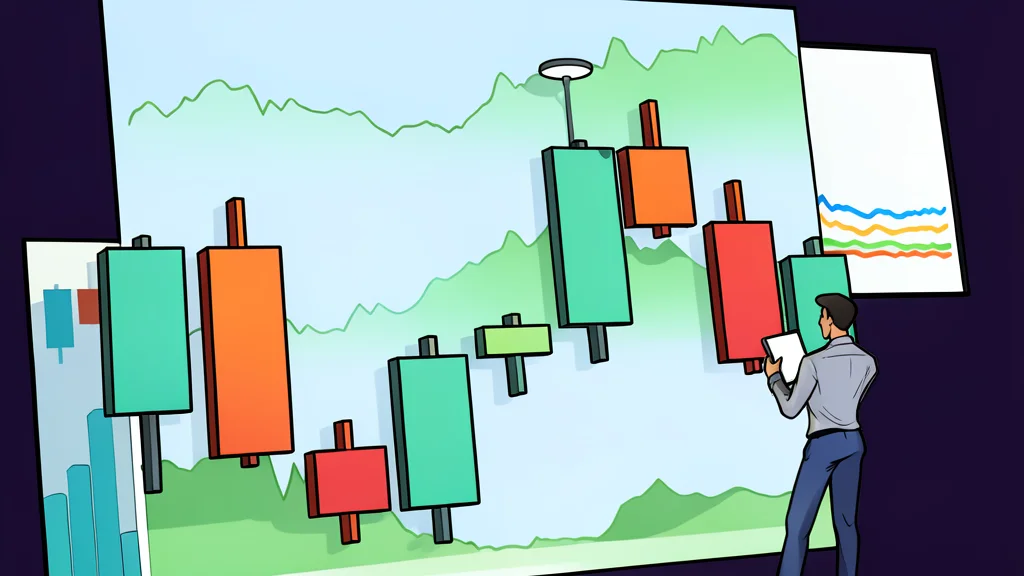
Fed Rate Hike Fails to Address Supply-Driven Inflation
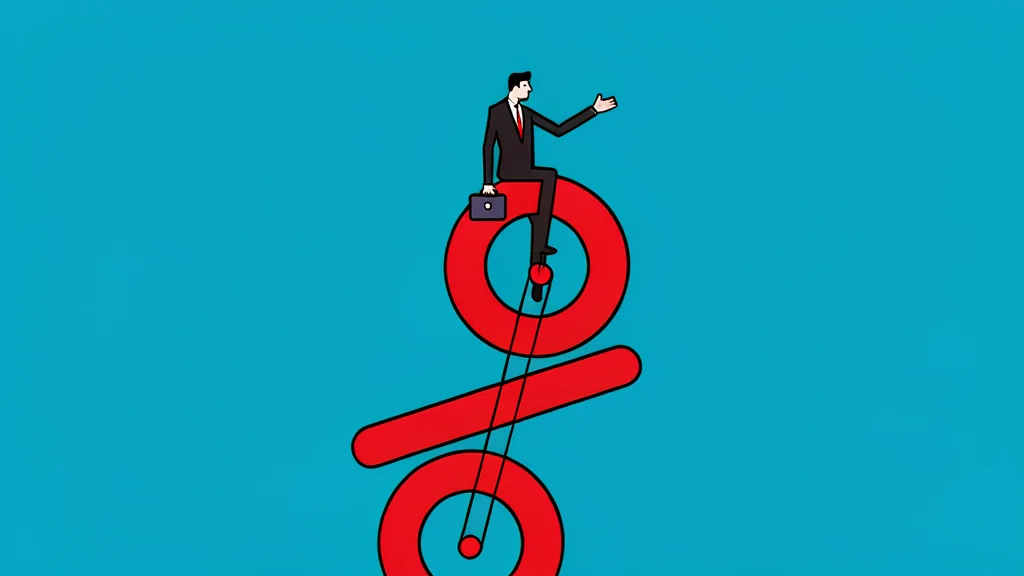
The Federal Reserve raised rates to 4.0 percent, but this move cannot fix oil or shipping issues. Instead, it risks slowing hiring and investment while energy costs remain high.
The Federal Reserve hiked the federal funds rate to a range of 3.75 to 4.0 percent. This action does not increase oil supply or remove trade barriers. It does, however, reduce business investment and hiring.
Policymakers are targeting the wrong source of price increases. Current inflation is driven by supply shocks, not demand excess. Higher interest rates cannot lower the cost of energy or fix disrupted shipping lanes.
Energy costs drive current price rises
Gasoline prices rose 3.9 percent in August. This increase accounted for more than one-third of the total Consumer Price Index rise. Energy is an input for most goods and services.
Supply shocks cause a one-time level shift in prices. They do not create continuous inflation unless wages and prices reinforce each other. The current data do not show that self-reinforcing cycle.
Rate hikes risk job losses
Higher rates suppress demand to prevent cost pass-through. This mechanism requires slowing consumption and investment. Unemployment stood at 4.1 percent in August, but hiring growth has slowed.
The Fed has a dual mandate of price stability and maximum employment. Attacking supply-driven inflation with demand-side tools hurts the labor market. It makes employers less willing to hire and households less able to finance purchases.
Wage growth remains under control
Wage growth has fallen from its pandemic peak. Unit labor costs rose only 1.2 percent in the second quarter of 2026. Long-run inflation expectations remain stable.
GN markets/inflation (en-US) notes that the data do not support a wage-price spiral. Tightening policy now sacrifices economic activity without solving the root cause of price increases. The Fed should wait for evidence of broad-based demand inflation before raising rates further.