India Q1 GDP Growth Hits 10.3 Percent
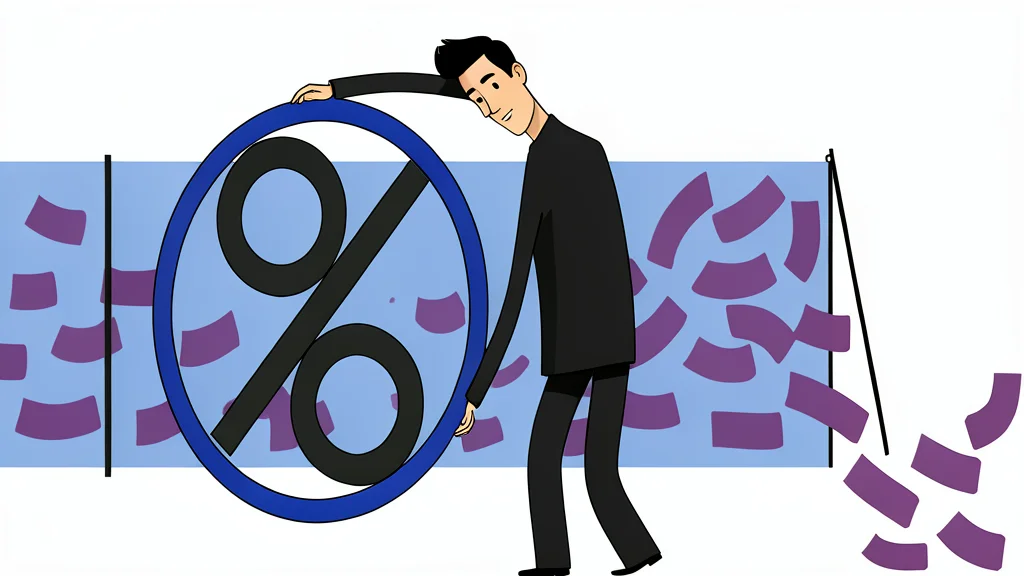
India's Q1 2026-27 GDP growth reached 10.3 percent in nominal terms, yet structural indicators suggest the economy has not accelerated.
India's gross domestic product grew by 10.3 percent in nominal terms for the first quarter of 2026-27. Real growth stood at 7.8 percent compared to the same period last year. The Ministry of Statistics and Programme Implementation released these figures. Government officials expressed satisfaction with the data. Critics questioned the credibility of the numbers. The debate centers on whether growth benefits reach the general population.
Former Finance Minister P Chidambaram analyzed the data in a piece for The Indian Express. He calculated the compounded annual growth rate using two different base years. The results showed similar growth trajectories from 2022-23 onward. The Q1 2026-27 growth rate is only marginally higher than previous periods. The economy has not shifted gears into overdrive. No significant acceleration is evident in the latest numbers.
Employment and wage growth remain weak
Youth unemployment among those aged 15 to 29 reached 16.2 percent. Graduate unemployment for ages 29 to 34 often touches 40 to 45 percent. Eight hundred seventy million youth are not in employment, education, or training. Real wage growth for casual workers fell by 5.5 percent. Salaried workers saw a 1.7 percent increase. Self-employed workers experienced a 3.3 percent rise. Twenty percent of the workforce relies on casual labor. Negative wage growth deepens poverty in this segment.
Trade deficits and currency pressure persist
Net foreign direct investment remains low despite favorable interest rates. Forex reserves hit an all-time high of 740 billion US dollars. The rupee depreciated by nearly 5 percent against the US dollar since January 2026. It is the worst-performing Asian currency. Imports are rising faster than exports. The merchandise trade deficit reached 150 billion US dollars between April and August 2026. The trade deficit with China alone was 44 billion US dollars from April to July.
Manufacturing share stagnates in nominal value
Manufacturing accounts for 13 percent of the nominal gross value added. The secondary sector share has remained between 24 and 26 percent for many quarters. Government schemes like Make-in-India and PLI have not increased this share. India continues to import goods it could manufacture domestically. The lack of manufacturing growth limits economic diversification. Capital investment figures do not reflect the reported GDP growth. The data suggests a disconnect between headline numbers and structural reality.