Diesel Hits Record High as Midterms Approach
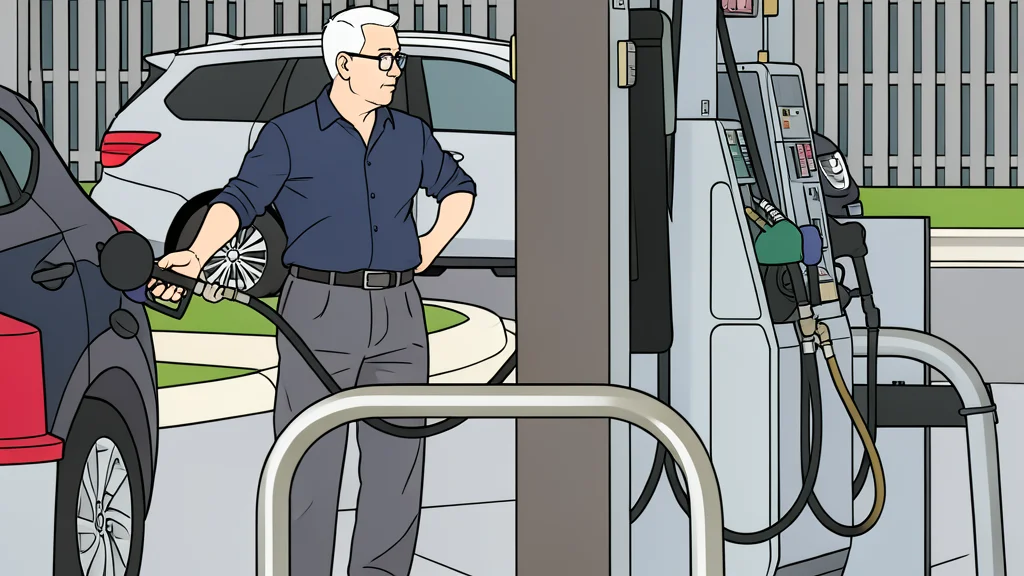
National diesel prices reached an all-time high of $6.27 per gallon. This spike threatens the Republican economic narrative with weeks left before the midterm elections.
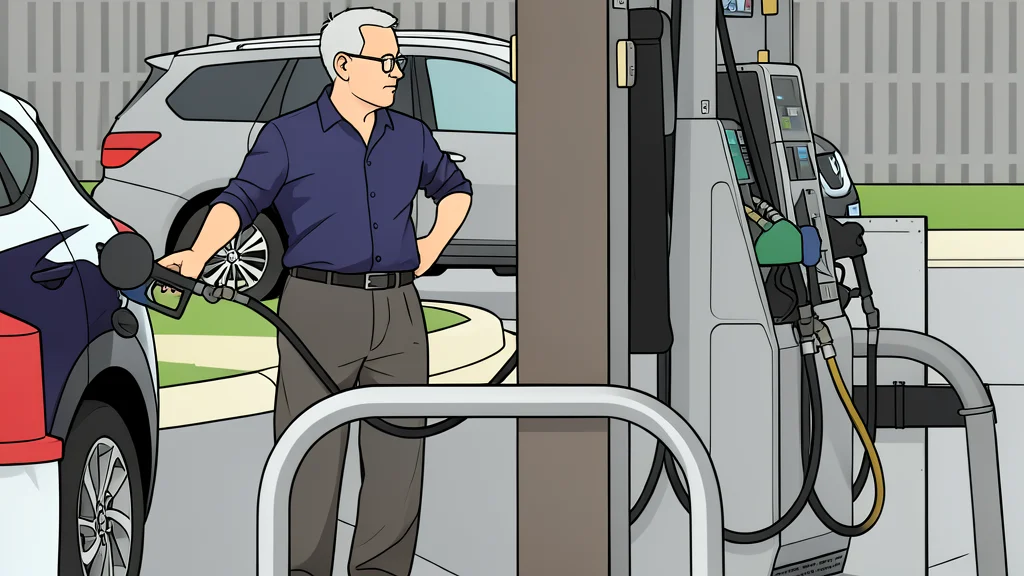
The national average price for diesel fuel hit $6.27 per gallon on Tuesday. This figure marks the highest level in recorded history. The price jumped 42 cents in the last week alone. Analysts attribute the surge to geopolitical tensions involving the United States and Iran. President Trump has instead blamed attacks on energy facilities related to the conflict in Ukraine. The timing places this economic stressor directly in the path of the midterms.
Republican strategists face a difficult challenge with the winter heating season approaching. Diesel is a critical input for trucking, agriculture, and public transit. These sectors form a significant part of the GOP base. Voters in rural areas feel the impact most acutely. The administration is downplaying the issue, with Trump describing high prices as a small cost for national security. However, market experts do not predict immediate relief.
Analysts Predict Continued Price Pressure
Tom Kloza, chief oil analyst at Gulf Oil, states that diesel prices will likely remain above $6. He suggests that reaching $7 is a realistic possibility. Gasoline prices are expected to stay above $4 per gallon. Kloza notes that further weather events in the Gulf of Mexico could worsen the situation. He expressed surprise that the administration has not used export curbs or windfall taxes to stabilize markets.
The Federal Reserve recently raised interest rates by a quarter point. This move acknowledged persistent inflation. Democrats are using these figures to criticize Republican opponents. Abdul El-Sayed, a Democratic Senate nominee in Michigan, cited local prices of $6.79 for diesel. He linked these costs to the administration's foreign policy decisions. Republicans are responding by calling for tax cuts on fuel.
Political Responses to Energy Costs
Senate Majority Leader John Thune said he is open to exploring a diesel export ban. He stated this measure could help lower domestic prices. Interior Secretary Doug Burgum disagreed with this approach. He told reporters at the G20 summit that an export ban would not lower prices. Burgum asserted that the administration would not implement such a ban if it did not work. This internal disagreement highlights the lack of a unified strategy.
Former Representative Mike Rogers called for the suspension of state and federal gas taxes. He argued that Democrats in Michigan raised the state gas tax significantly. He framed this as an attempt to take more money from voters. Meanwhile, a Republican strategist told The Hill that voters will view diesel costs as part of a larger economic narrative. The party is struggling to counter the negative economic headlines.
Voter Sentiment Wears Thin
Recent polling indicates that voter patience regarding the economy is declining. This trend is visible even among Republican voters. The combination of high fuel costs and rising interest rates creates a hostile environment for the GOP. The midterms are 45 days away. The administration faces a difficult task in reversing this sentiment. The lack of a clear solution adds to the political pressure.
The situation underscores the fragility of the current economic narrative. Energy costs remain a volatile variable in the election cycle. Both parties are engaging in blame-shifting over the cause of the price surge. The immediate impact on consumers is undeniable. The next few weeks will be critical for the Republican campaign. The ability to address these costs will determine their electoral success.