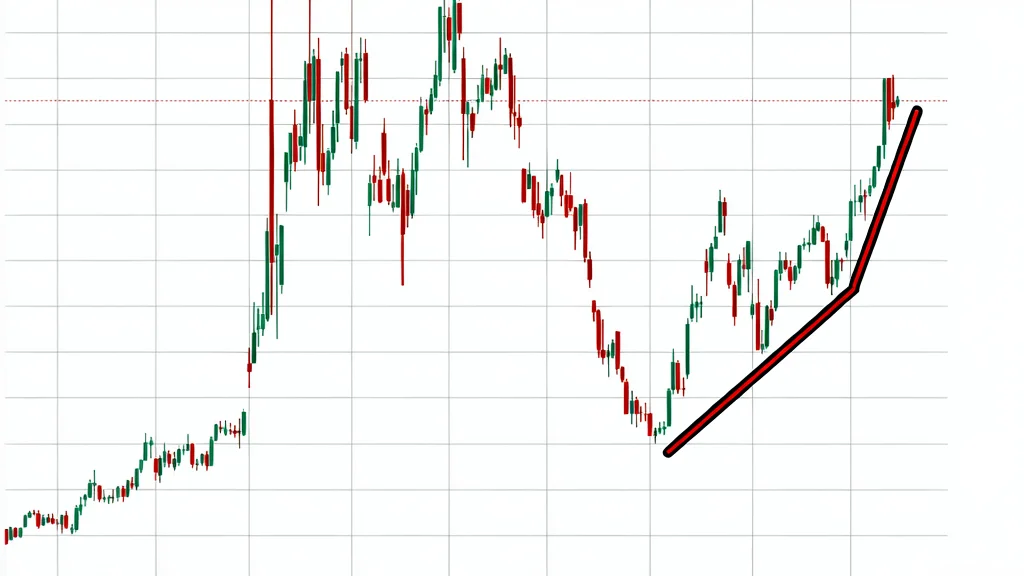
Diesel Prices Hit Record High as Gas Jumps 15 Cents

U.S. diesel prices reached an all-time high this week, adding to a 15-cent spike in gasoline costs. The surge is driven by supply constraints and elevated demand, directly impacting consumer budgets.
U.S. diesel prices have reached an all-time high. Gasoline prices rose by 15 cents in the past week. This sharp increase is feeding directly into broader inflation. Consumers face higher costs for transportation and goods. The market data from GN auto markets/energy: gasoline prices confirms the upward trend.
The price jump is immediate and tangible. A gallon of diesel now costs significantly more than last month. This affects fleet operators and individual drivers alike. The financial burden is spreading across the economy. Retailers are adjusting prices to offset fuel expenses.
Supply Constraints Drive Costs
Production levels have not kept pace with demand. Refinery maintenance schedules are limiting output. Global supply chains remain tight. These factors create a shortage in the immediate market. Prices rise automatically when supply lags behind consumption.
Inflation Impact on Consumers
Higher fuel costs increase the price of delivered goods. Logistics companies pass these expenses to customers. Groceries and manufactured items see price hikes. The 15-cent jump in gas prices is a leading indicator. It signals sustained pressure on household budgets.
Market Outlook Remains Tight
Analysts expect volatility to continue in the near term. No significant supply relief is scheduled. Demand remains robust despite higher prices. The all-time high for diesel is not an isolated event. It reflects a structural shift in energy costs.