Gas Prices Hit $4.48 as Voters Question War Costs
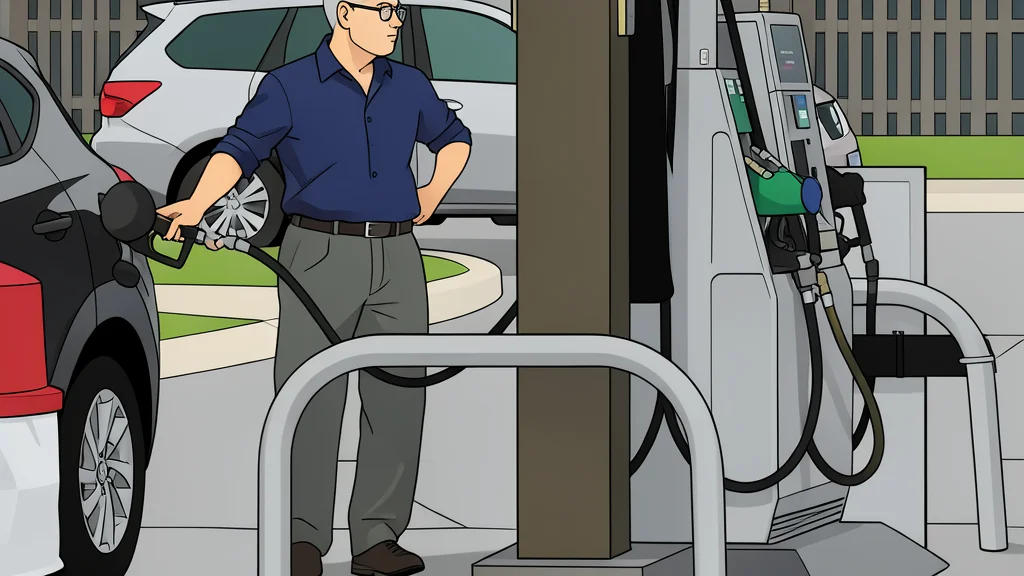
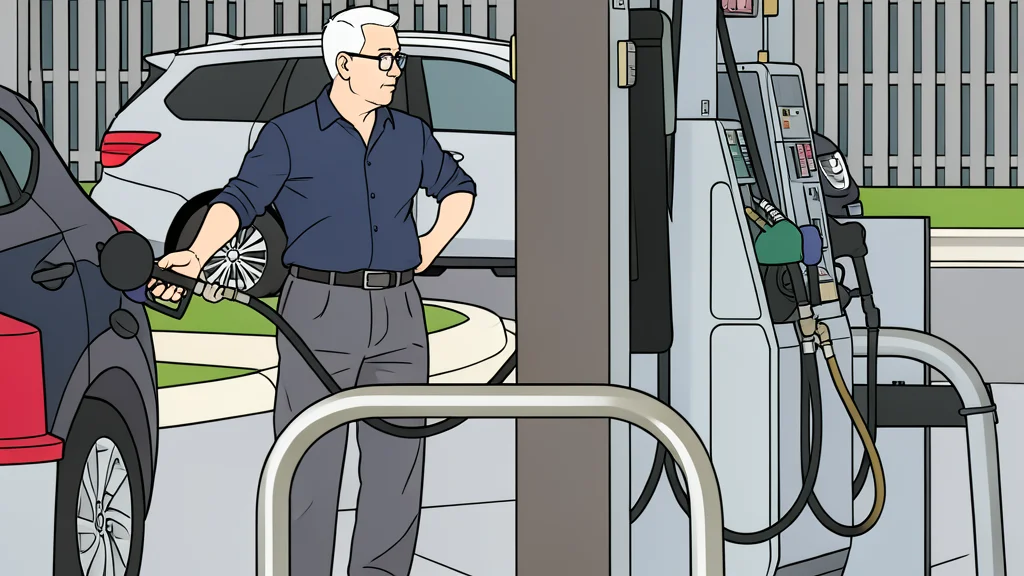
The national average for a gallon of gasoline reached $4.48 on Friday. This represents a 17-cent increase over the last week and a $1.27 jump from a year ago.
The national average for a gallon of gasoline reached $4.48 on Friday. This figure marks a 17-cent increase over the previous week. Prices are up 40 cents in the last month. The cost is $1.27 higher than a year ago. These figures come from data reported by ClickOnDetroit. The rise correlates with the ongoing conflict with Iran. Voters express frustration over the direct financial impact. Many describe the situation as a sustained hardship.
President Donald Trump dismissed the economic burden during a campaign stop in North Carolina. He described the price hike as an inexpensive cost for national security. He argued that preventing Iran from obtaining a nuclear weapon justifies the expense. Voters in Texas and Arizona rejected this framing. They cited immediate budget pressures for groceries and commuting. The disconnect between executive rhetoric and consumer reality is widening.
Voter frustration spans both parties
Interviews in multiple states show bipartisan discontent. Quinten Martinez, a delivery driver in Texas, questioned the trade-off. He stated that the choice between groceries and fuel is difficult. Dan Lloyd, a carpenter in Arizona, criticized the administration’s handling. He paid $4.39 per gallon for his vehicle. Lloyd predicted the American people will bear the economic cost. Kristin Jimenez, a small business owner, noted that high prices occur under both political parties. She expressed disappointment in the current leadership.
Political stakes rise before midterms
Seven weeks remain until the November midterm elections. Republican candidates face a challenging political environment. The president’s approval ratings are weak. The foreign conflict remains unpopular with many voters. Democrats are motivated to punish the opposing party. Some working-class Republicans remain loyal despite their frustrations. Chris Wilson, a Republican strategist, emphasized the visibility of gas prices. He noted that voters see these costs several times a week. This real-time indicator drives political sentiment.
Economic indicators drive ballot choice
Gasoline prices serve as a primary economic gauge for households. They affect commuting costs and local supply chains. The current spike contradicts earlier promises of affordability. The war effort has directly influenced fuel supply dynamics. Voters are weighing these costs against national security goals. The midterm results will reflect this calculation. The financial pressure is immediate and tangible. Political operatives acknowledge the severity of the issue.