BRICS Expands to 11 Members to Cut Trade Costs

Eleven nations now form the BRICS bloc. Local currency settlements aim to lower fees. No single currency is planned.
The BRICS bloc now comprises 11 full members. This expansion includes Brazil, Russia, India, China, and South Africa. New members added in recent years are Iran, Egypt, Ethiopia, the UAE, Saudi Arabia, and Indonesia. The group focuses on economic and political cooperation among emerging markets.
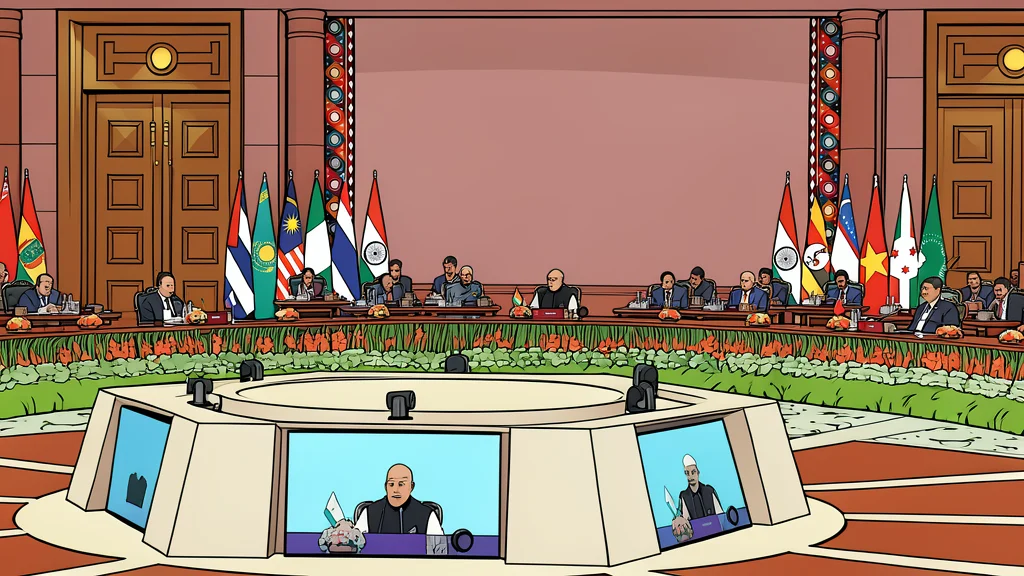
India’s Ministry of External Affairs confirmed a push for local currency trade. Secretary Sudhakar Dalela made the statement at the 18th Summit in New Delhi. The goal is to reduce transaction costs for bilateral trade. These mechanisms will complement existing global payment systems.
Local Currencies Reduce Transaction Fees
Officials describe local currency settlement as a practical tool. It lowers the cost of moving money across borders. BRICS members are developing specific bilateral arrangements. These mechanisms address current trade settlement challenges. The approach strengthens engagement with the global business community.
The strategy aims to facilitate trade within the bloc. It seeks to improve financial cooperation among the 11 nations. Dalela noted that discussions on payment mechanisms are ongoing. The objective is to make cross-border transactions more efficient. This supports the broader development priorities of the member states.
No Common Currency Proposed Yet
Dalela clarified that there is no proposal for a single BRICS currency. He stated that no fixed currency exists at this time. The focus remains on bilateral arrangements rather than a unified monetary unit. This distinction is crucial for understanding the bloc’s financial strategy. The current approach relies on existing national currencies.
The initiative avoids creating a new shared monetary instrument. Instead, it leverages the diversity of member economies. This diversity is viewed as a strength by Indian officials. The strategy allows for tailored trade solutions. It fits the specific needs of each bilateral relationship.
Summit Outcomes Align With Development Goals
The BRICS outcomes align with Africa’s development priorities. Dalela highlighted the importance of this alignment. The group’s expansion brings more African nations into the fold. This increases the bloc’s collective economic weight. It provides a larger platform for negotiating trade terms.
Reported by GN markets/fx (en-US), the developments signal a shift in global trade dynamics. The move away from sole reliance on traditional dollar settlements is notable. It reflects a broader trend among emerging economies. The focus is on reducing dependency and cost. This positions BRICS as a key player in international finance.