BRICS Nations Advance Local Currency Trade Settlements

India confirms ongoing work to settle trade in local currencies among 11 BRICS members, with no common currency planned.
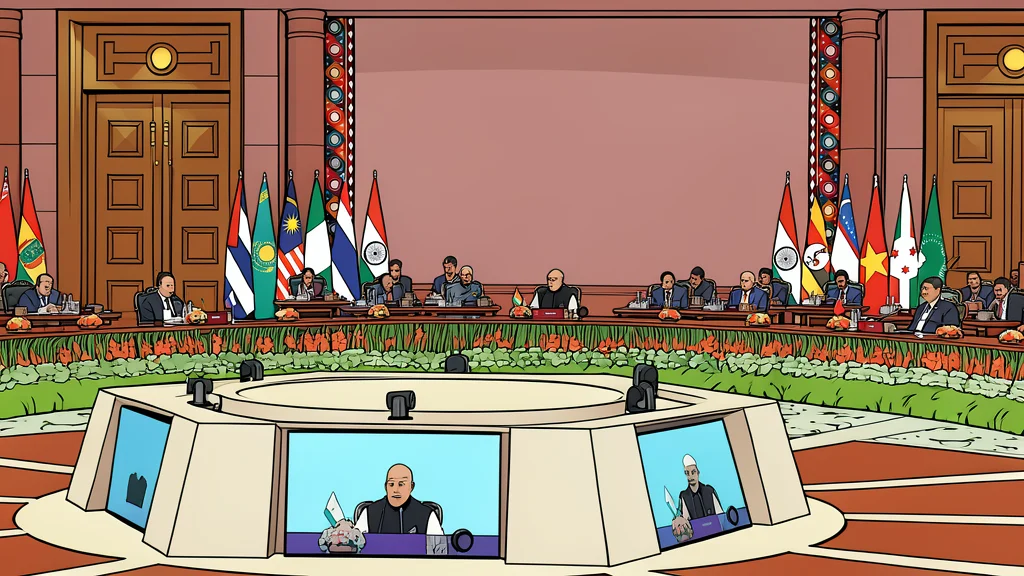
BRICS members are advancing local currency settlements to cut transaction costs. India’s Ministry of External Affairs confirmed this at the 18th BRICS Summit in New Delhi. The goal is to streamline bilateral trade within the bloc.
As of 2026, the group includes 11 full members. These are Brazil, Russia, India, China, South Africa, Iran, Egypt, Ethiopia, the UAE, Saudi Arabia, and Indonesia. Officials described the move as a practical step to reduce reliance on third-party payment systems.
Local currency mechanisms reduce costs
Dalela, secretary of Economic Relations, stated that local currency settlement lowers transaction expenses. It serves as a complementary tool to existing global payment systems. The approach aims to make cross-border trade more efficient for member states.
Discussions focus on developing practical mechanisms for trade facilitation. The strategy includes exploring bilateral arrangements within the BRICS framework. These efforts seek to address current challenges in international settlement processes.
No common currency proposed
There is no proposal for a fixed BRICS currency. Dalela clarified that a single monetary unit is not under consideration. Current initiatives remain focused on enhancing trade and financial cooperation among members.
The broader objective is to strengthen engagement with the global business community. Local currency settlement is part of ongoing efforts to improve financial ties. This aligns with the bloc’s commitment to multilateral cooperation and trade stability.
Expanded membership drives policy
The expansion to 11 members has increased the scope of potential trade. New entrants like Indonesia and the UAE bring diverse economic interests. This diversity necessitates flexible settlement mechanisms to accommodate varied trade needs.
According to GN markets/fx (en-US), the shift reflects a broader trend in emerging economies. Nations are seeking alternatives to dollar-dominated trade channels. This move aims to reduce exposure to external monetary fluctuations and sanctions risks.