BRICS Nations Expand National Currency Settlements
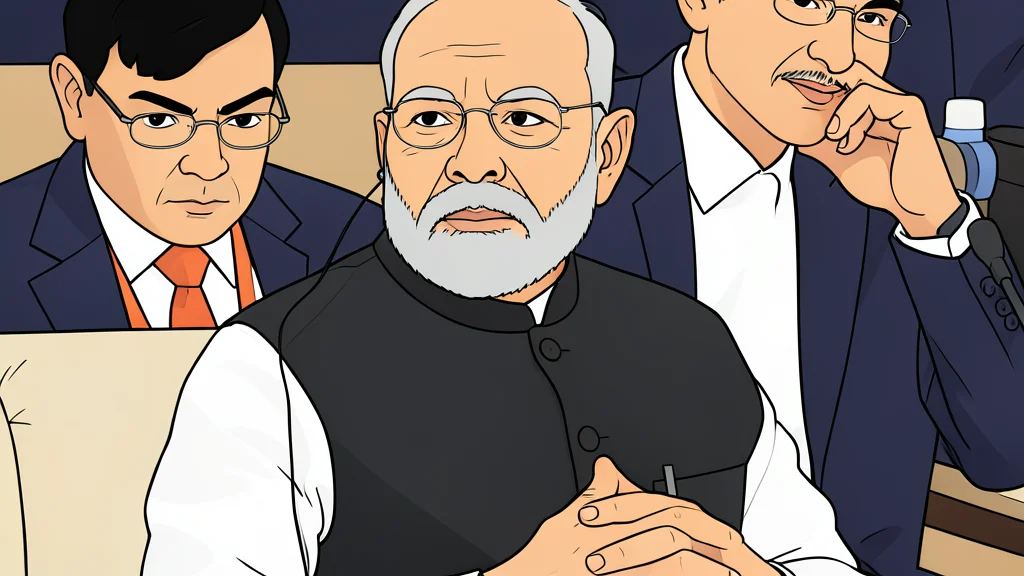
BRICS members in New Delhi adopted a 45-page declaration to increase trade settlements in local currencies. The group aims to reduce reliance on the US dollar in cross-border transactions.
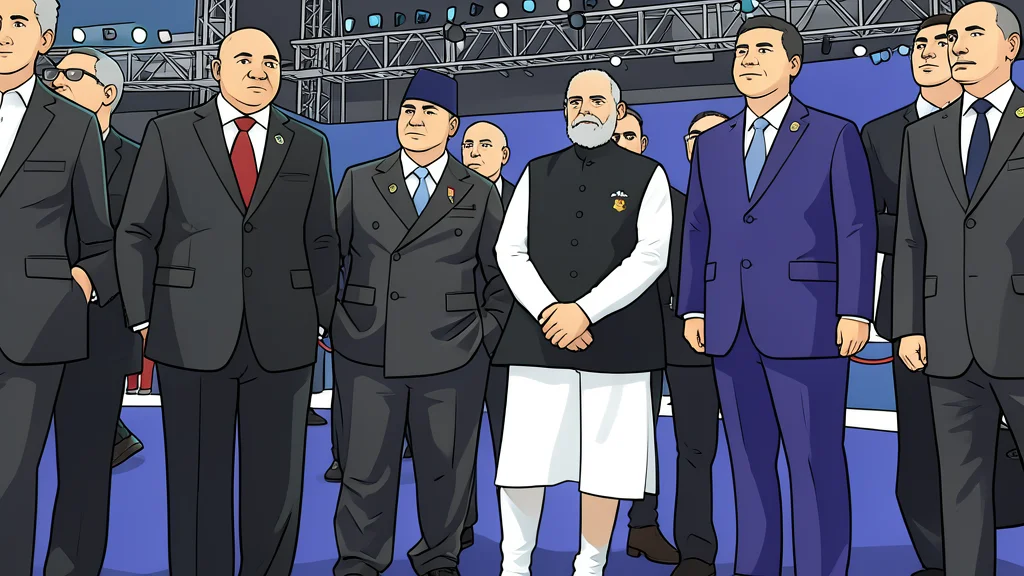
The BRICS group adopted the New Delhi Declaration 2026 in India. The document mandates the expansion of trade settlements in national currencies. Indian Prime Minister Narendra Modi confirmed that no participating state objected to the text. The agreement was reached during the 18th summit of the bloc.
The 45-page declaration instructs the BRICS Payments Working Group to continue developing payment mechanisms. These systems must be fast, low-cost, and transparent. The group studied the interoperability of cross-border payment channels. Members agreed that there is no universal approach to such settlements.
Payment infrastructure goals defined
Summit participants emphasized the need for secure and efficient messaging systems. The declaration states that national priorities must be respected in payment design. Experts note that the text reflects a compromise among members. The document avoids naming specific countries in its core mandates.
Reaction to tariff threats
US President Donald Trump threatened 100-percent tariffs if BRICS plays games with the dollar. The declaration expresses concern over unilateral tariff measures. It cites inconsistencies with World Trade Organization rules. The text warns that protectionist measures threaten global supply chains.
The group condemned unilateral coercive measures and secondary sanctions. It called for the abolition of such punitive actions. The declaration also objected to carbon border charges. According to GN markets/fx (en-US), these measures are viewed as distortions of trade.
Diverging interests within the bloc
The wording on regional conflicts was coordinated until the morning of the vote. Iran and the United Arab Emirates are parties to these conflicts. Both are BRICS members. The final text serves as a compromise document. It balances the diverging economic and political interests of the group.