69% of Buyers Shift to Suburban Housing in Vietnam
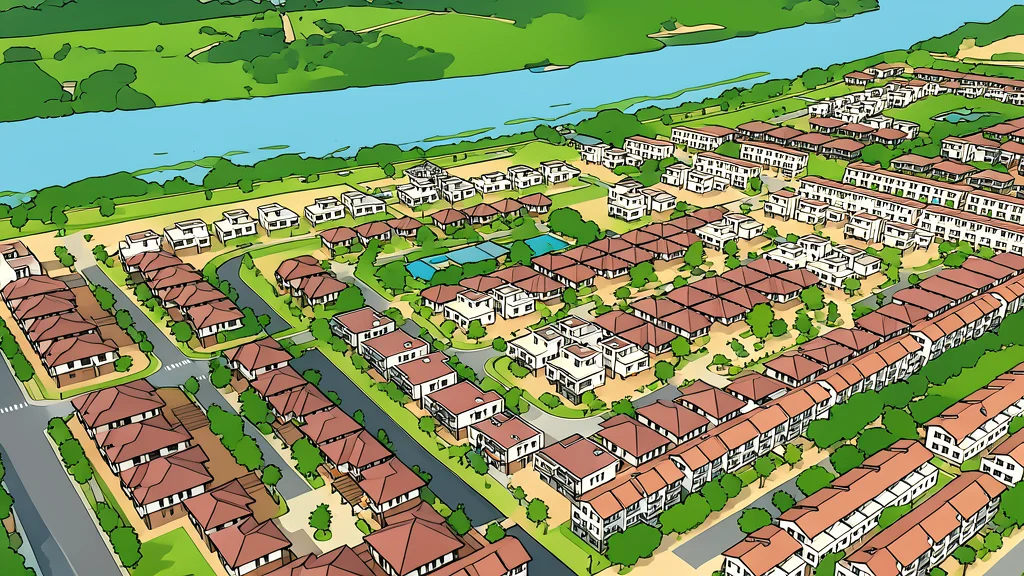
A new survey reveals a decisive break from central city preferences. Buyers now prioritize space and infrastructure over proximity to the core.
69 per cent of Vietnamese property buyers will consider suburban areas in the next three to five years. This marks a sharp decline in demand for central city housing. The shift is driven by rising prices and improved connectivity. Buyers are no longer willing to pay a premium for location alone. They seek better value and living space in emerging districts.
Primary apartment prices in Ho Chi Minh City rose by an average of 14 per cent annually from 2021 to 2026. Secondary market prices increased by 12 per cent over the same period. These figures make central housing increasingly unaffordable for many. The market is moving away from short-term speculation. Long-term utility and quality of life are now the primary drivers of value.
Supply Moves Beyond Urban Core
The former Ho Chi Minh City held 73 per cent of total housing supply as of July. This dominance is eroding due to limited land availability. New supply is expanding into former Binh Duong, Dong Nai, and Long An. The share of new low-rise housing from the city core fell to 20-40 per cent since 2024. Previously, this share ranged between 40 and 70 per cent.
Apartment supply shows a similar trend. The city core’s share of new launches dropped to 20-50 per cent after 2024. It was previously between 60 and 85 per cent. Developers are responding to buyer preferences for wider geographic options. Infrastructure projects are enabling this expansion. Ring Road 3 and 4 are key components of this network.
Infrastructure Drives Buyer Confidence
72 per cent of owner-occupiers prioritize areas with new infrastructure. Connectivity is now a decisive factor in purchasing decisions. The Ben Luc-Long Thanh Expressway is improving access to these zones. Metro network expansion is creating new growth centers. Buyers view these projects as guarantees of future development potential.
CBRE forecasts primary price growth of 11 per cent annually from 2026 to 2028. Secondary prices are expected to rise by 5 to 6 per cent. This continued growth reinforces the need for affordable alternatives. Suburban areas offer a viable balance of cost and space. The market is stabilizing around long-term value rather than speculation.
Market Focus Shifts to Quality
A survey by batdongsan.com.vn highlights a change in buyer mindset. Consumers view the next six months as a better time to buy than to sell. They prefer products with clear legal status and established communities. The source GN auto markets/housing: rental market notes this shift. The demand is for usable, high-quality living spaces over mere investment vehicles.
Hanoi investors are focusing on ring roads and inter-regional links. Ho Chi Minh City buyers are targeting metro-adjacent areas. This geographic diversification reflects a maturing market. The focus has moved from short-term potential to lasting value. Developers must adapt to this new reality of buyer behavior.